

The Rise of the ‘Flower-gram’
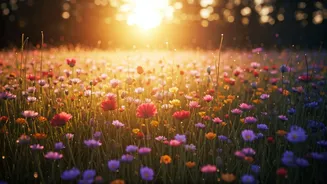
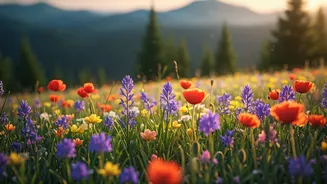
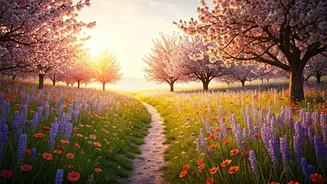
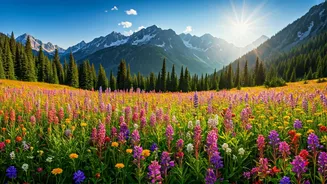
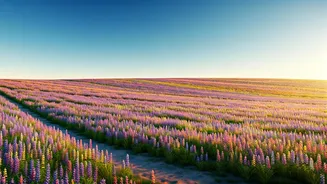
Let’s start with the most obvious driver: your social media feed. In a world where vacation photos are a form of social currency, a generic beach picture just doesn’t stand out. A photo of you standing in a seemingly endless field of California poppies,
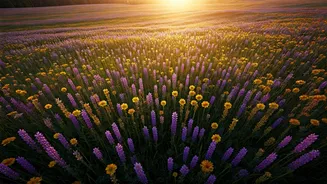
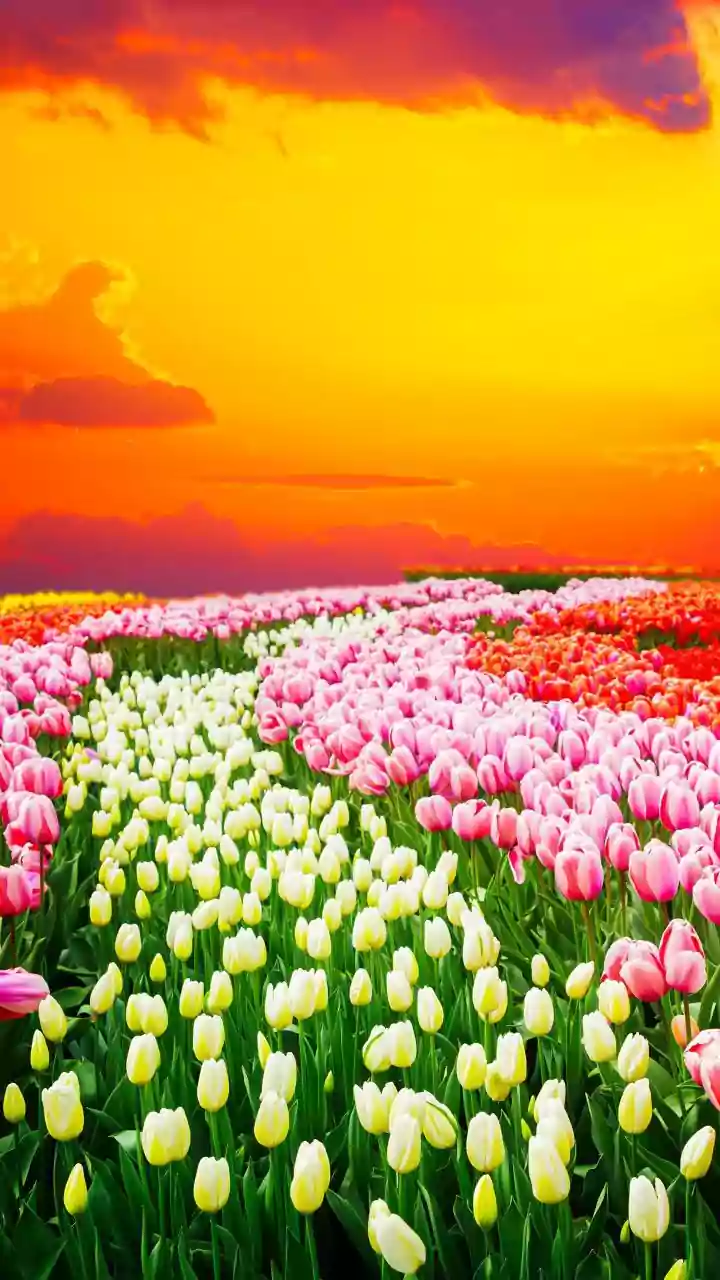
Dutch tulips, or Provence lavender? That’s content gold. This desire for the perfect, nature-drenched shot has given rise to “flower tourism.” It’s not just about seeing the flowers; it’s about capturing the moment in a way that feels unique and breathtaking. Travel influencers and everyday tourists alike are seeking out these vibrant, ephemeral landscapes as the ultimate backdrop, turning floral destinations into must-visit hotspots. The visual appeal is so powerful that it can dictate travel itineraries, with trips planned months in advance to coincide with peak bloom.
A Post-Pandemic Pull Towards Nature
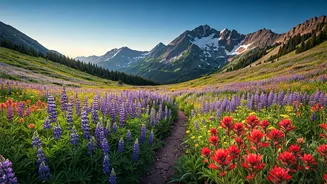
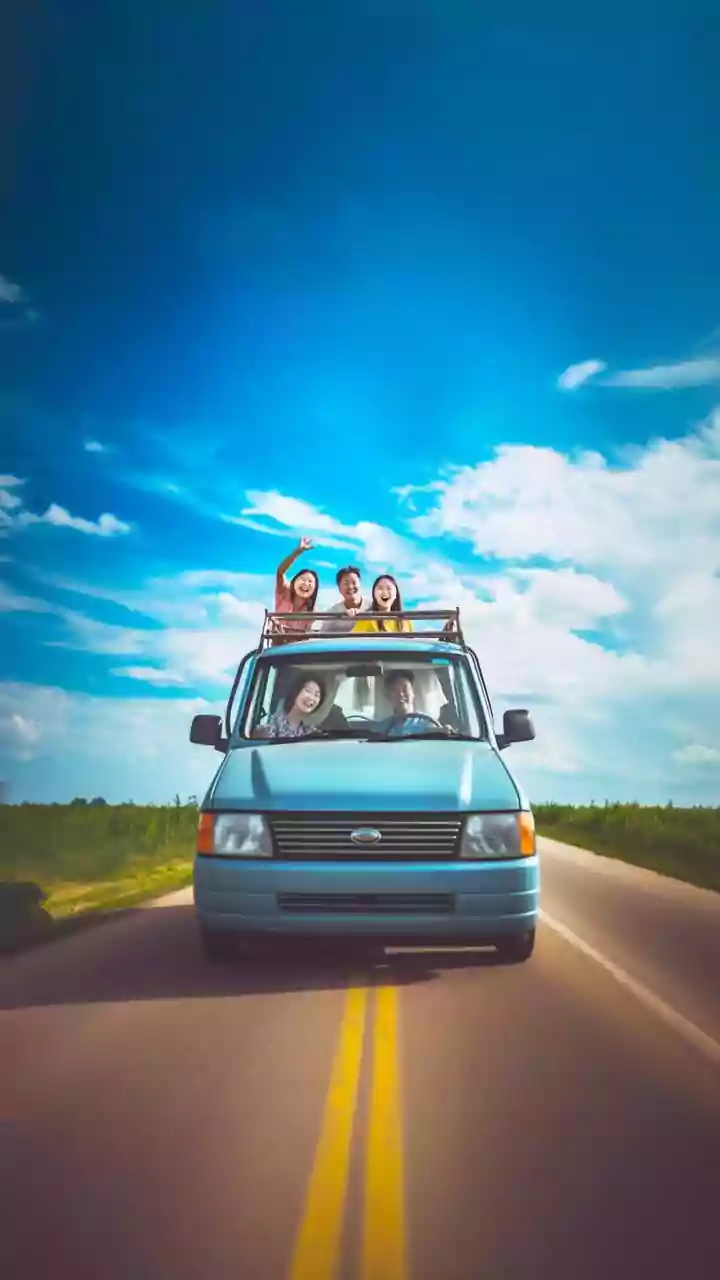
After years of lockdowns and screen-heavy remote work, the collective craving for the natural world is stronger than ever. The beach, while natural, can often be a crowded, commercialized experience. Flower chasing, on the other hand, offers a more immersive and often quieter connection with nature. It’s a form of wellness travel that’s less about spa treatments and more about forest bathing (or, in this case, field bathing). The act of hiking to find a rare wildflower, driving through rolling hills of bluebonnets, or simply breathing in the scent of a million cherry blossoms is profoundly restorative. This isn't passive sunbathing; it’s an active pilgrimage to witness nature’s most spectacular, short-lived performances.
The Thrill of the Ephemeral Chase
A beach is reliably there, year-round. A “superbloom,” however, is not. The temporary, unpredictable nature of floral events is a massive part of their appeal. It transforms a vacation into a quest. You have to get the timing right. You have to monitor bloom forecasts and weather reports. This element of scarcity makes the experience feel precious and earned. Unlike a permanent landmark, you can’t just go see it whenever you want. This “limited-time-only” aspect creates a sense of urgency and exclusivity. Being one of the lucky few to witness the Anza-Borrego Desert in full bloom or catch the exact week the sakura are peaking in Kyoto is a travel badge of honor. It’s a story you’ll tell for years, precisely because it can’t be easily replicated.
Blooms Mean Business for Small Towns
This trend isn't just a win for travelers; it's a lifeline for many smaller, rural communities. While big cities have their botanical gardens, many of the most sought-after floral displays are located in out-of-the-way places. Think of the Skagit Valley Tulip Festival in Washington, which draws visitors to a quiet agricultural area, or the way Texas towns like Ennis embrace the bluebonnet season. This influx of tourists supports local hotels, restaurants, and shops that might otherwise be overlooked. It’s a form of tourism that spreads the wealth beyond major hubs, encouraging travelers to discover the charm of America's backroads and farmlands. These communities, in turn, often build entire festivals and events around their local blooms, creating a vibrant cultural exchange.
Your Guide to the Floral Trail
Ready to trade your flip-flops for hiking boots? The U.S. is packed with incredible floral destinations. In the spring, head to California for its unpredictable desert superblooms or the Antelope Valley California Poppy Reserve. Follow the bluebonnet trails through the Texas Hill Country. Of course, the National Cherry Blossom Festival in Washington, D.C. is an iconic rite of spring. In the summer, you can find stunning lavender fields in states like Washington, Oregon, and even Texas. And don’t forget the East Coast, where places like the Blue Ridge Parkway offer spectacular displays of rhododendrons and azaleas. Internationally, the benchmarks are the tulip fields of the Netherlands, the lavender fields of Provence, France, and the legendary cherry blossom season across Japan. Each offers a completely different experience, proving that flowers are a destination in their own right.