


The End of the Package Tour Era
If you traveled through Europe or Southeast Asia in the last 20 years, you likely saw them: big tour buses unloading dozens of Indian families, all part of a multi-generational group, ticking off landmarks at a frantic pace. This was the classic Indian international
vacation—a seven-country-in-ten-days whirlwind, meticulously planned by a travel agent. The priority was efficiency and volume: see the Eiffel Tower, get a photo at the Colosseum, buy Swiss chocolates, and do it all with the comfort of familiar food and a predetermined schedule. It was a practical solution for a generation of travelers new to navigating foreign countries, often with complex visa processes and dietary restrictions. The group tour offered a safe, affordable, and accessible window to the world.
The Rise of the 'Me-Cation'
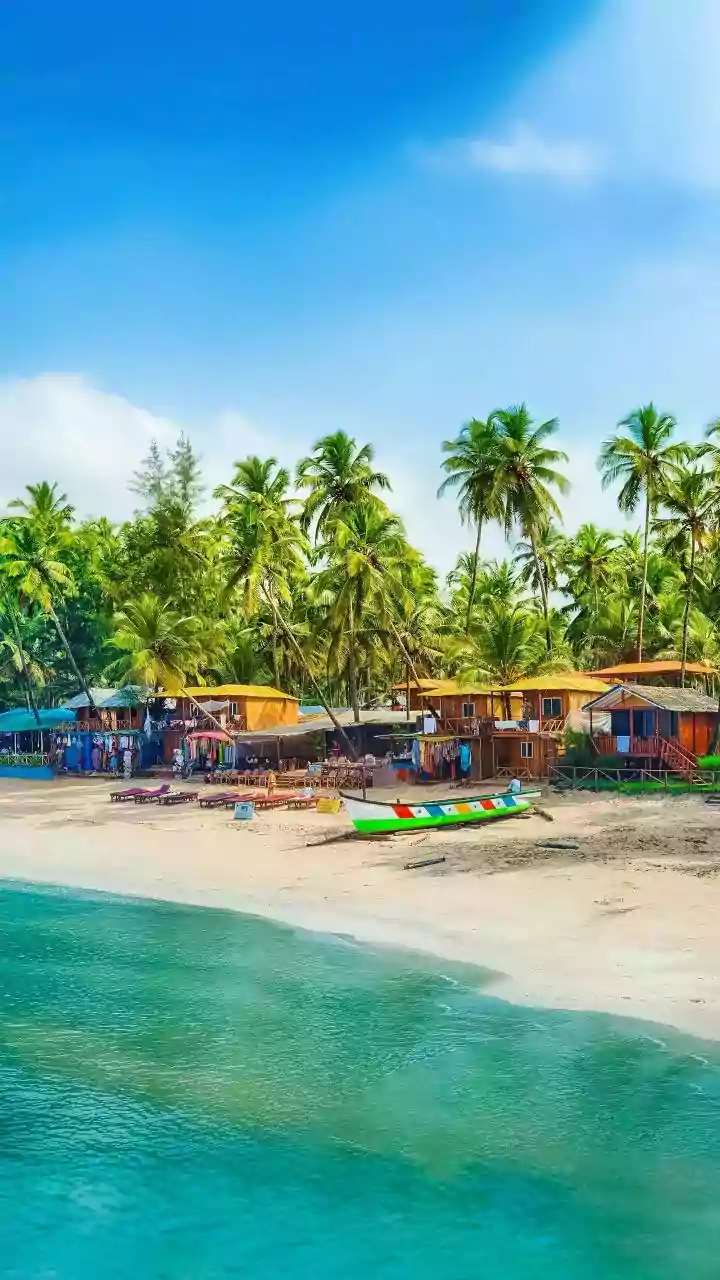
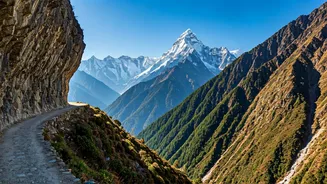
Today, that model is being challenged by a powerful new force: the desire for personalization. For a growing number of Indian travelers, the new luxury isn't about five-star hotels, but about five-star experiences tailored to individual passions. They are swapping the crowded tour bus for solo backpacking trips, ditching the fixed-menu dinner for a local cooking class, and skipping the souvenir shop to go scuba diving or attend a yoga retreat. This is the era of the “me-cation” and the “passion trip.” Whether it’s a group of friends trekking to Everest Base Camp, a solo traveler exploring cafes in Vietnam, or a couple taking a wine-tasting tour in Tuscany, the emphasis has shifted from 'seeing' to 'doing' and 'being.' The goal is no longer just to collect photos, but to collect memories and skills.
What's Driving This Transformation?
This isn't a random shift; it's fueled by a perfect storm of economic, demographic, and technological change. Economically, India’s booming middle and upper-middle class means millions more people have the disposable income for leisure travel. Demographically, India has one of the youngest populations in the world. This cohort of millennials and Gen Z, raised on the internet, is more globally aware and places a higher value on experiences over material possessions. Technologically, social media and booking platforms have completely democratized travel planning. Where a traveler once relied on a local agent, they now have Instagram for inspiration, travel blogs for itineraries, and apps like Booking.com or Airbnb to craft a trip entirely on their own terms. This digital fluency has fostered a sense of confidence and independence that makes a pre-packaged tour feel restrictive rather than safe.
From Paris to Patagonia
This newfound adventurousness is also rewriting the map. While classic destinations like London, Switzerland, and Dubai still draw crowds, they are now just the starting point. The new Indian traveler is looking further afield, seeking destinations that offer unique bragging rights and authentic experiences. Search data shows a surge in interest for less conventional locales: seeing the Northern Lights in Iceland, exploring ancient ruins in Peru, going on safari in Tanzania, or island-hopping in the Philippines. This diversification reflects a traveler who is more informed and intentional. They aren't just going somewhere because it’s famous; they are going because it aligns with a specific interest, whether it's photography, adventure sports, history, or wellness.