




First, What Is the Northeast Monsoon?
Before you check the forecast for New England, let’s clarify: this weather phenomenon has nothing to do with the U.S. Northeast. The Northeast Monsoon, also known as the winter monsoon, is a powerful seasonal weather pattern affecting South and Southeast
Asia, typically from October to March. Unlike the more famous summer monsoon that drenches India, this system brings cool, dry air to many parts of the region. However, for specific coastal areas facing the northeast, it means significant rainfall. This includes the eastern coasts of Malaysia and the Philippines, central Vietnam, and southeastern India. For travelers, this creates a distinct “off-season” that’s a world away from the peak tourist rush, transforming landscapes into something uniquely beautiful.
The Allure of a Rain-Swept Paradise
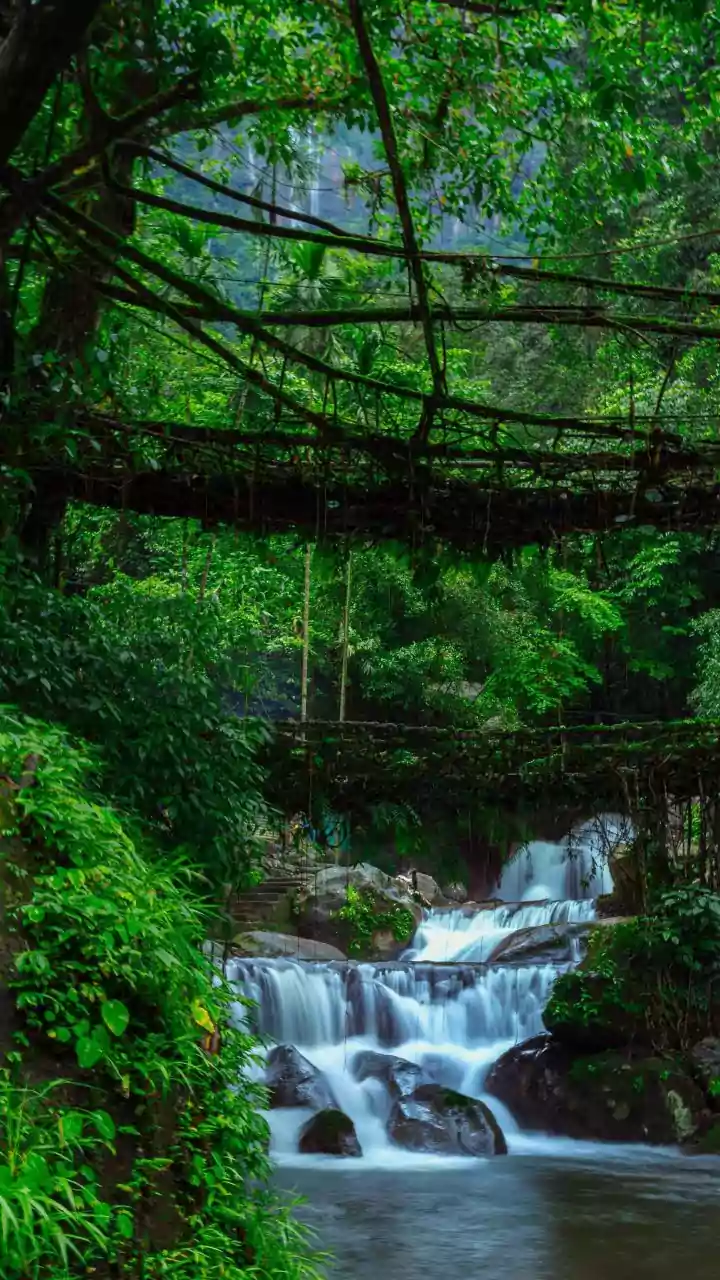
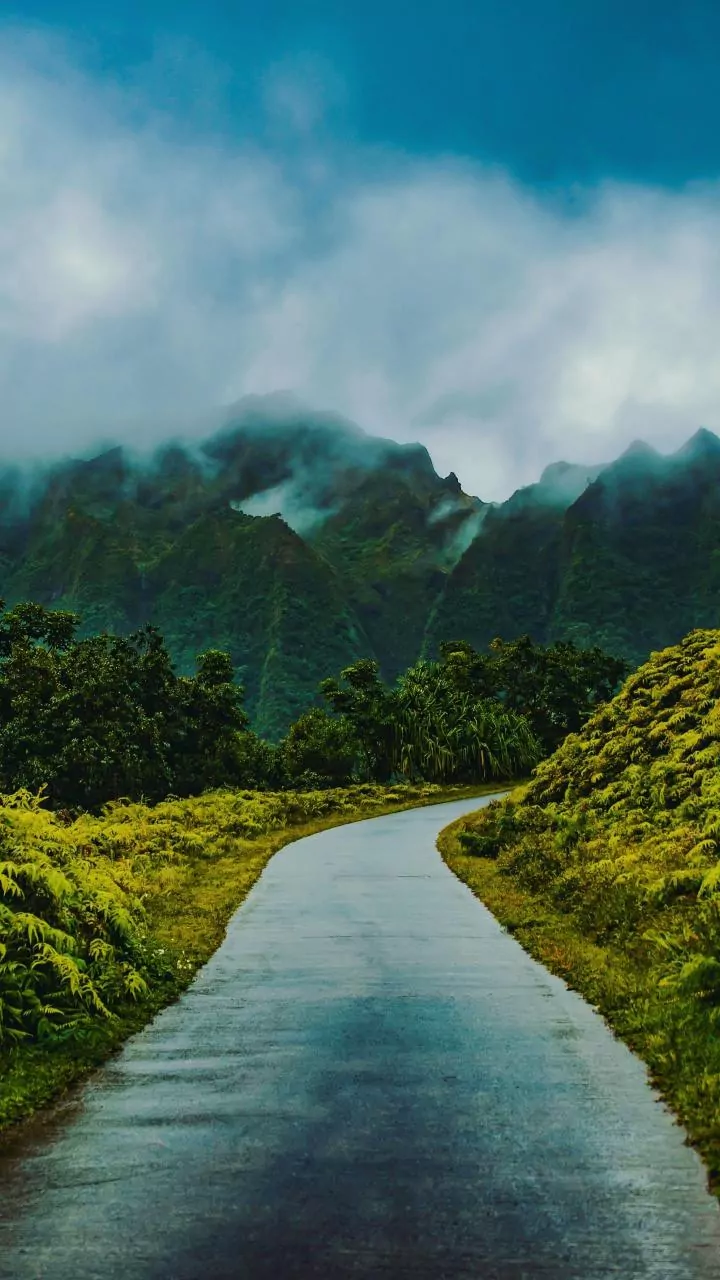
So why would anyone voluntarily travel into a rainy season? The rewards are immense. The primary draw is the landscape itself. Months of dry heat give way to an explosion of life. Hills and forests turn a deep, brilliant emerald. Waterfalls, often reduced to a trickle in the dry season, become thundering spectacles. The air is clean, the dust has settled, and the world feels washed anew. The skies, filled with dramatic, brooding clouds, offer a moody backdrop that photographers dream of. Beyond the scenery, there's a practical appeal. With fewer tourists, you’ll find more space, quiet, and opportunities for authentic interactions. Popular sites are blissfully uncrowded, and prices for flights and accommodations can drop significantly. It’s a chance to experience a destination at a slower, more contemplative pace, feeling less like a tourist and more like a temporary local embracing the season.
Where to Find the Best Views
Not all monsoon-affected areas are created equal for travelers. The key is to pick a destination where the infrastructure can handle the rain and the scenery truly comes alive.
- **Central Vietnam (Hoi An, Da Nang, Hue):** From September to December, this region sees heavy rains that can sometimes lead to flooding in the ancient town of Hoi An. But when the rain subsides, the clouds part to reveal stunningly green rice paddies and misty mountain passes like the Hai Van Pass, made famous by its dramatic coastal views.
- **East Coast of Peninsular Malaysia (Terengganu, Kelantan):** From November to February, this coast is the epicenter of the monsoon. While many island resorts close, the mainland offers a glimpse into a more traditional way of life. It's a time for cozying up in a local guesthouse, enjoying the incredible food, and watching the powerful waves of the South China Sea.
- **Tamil Nadu & Kerala, India:** In these southern states, the Northeast Monsoon brings rejuvenating rains from October to December. It’s a prime time for Ayurvedic retreats, as the moist, cool air is considered ideal for treatments. The Western Ghats mountain range becomes a lush paradise of tea plantations and spice gardens shrouded in mist.
Essential Planning for a Monsoon Trip
The phrase “worth the planning” is key. A successful monsoon trip requires forethought. First, pack smart: lightweight, quick-drying clothes are a must. Forget the heavy raincoat; opt for a breathable waterproof shell and an umbrella. Waterproof shoes or sturdy sandals are essential. Protect your electronics with dry bags or waterproof cases. Second, build flexibility into your itinerary. Heavy rains can cause road closures or ferry cancellations. Don’t pack your schedule too tightly; have backup plans and be prepared to spend a day reading a book while the storm passes. Third, book accommodations with good reviews for the rainy season—places that are known to be dry, comfortable, and accessible even in a downpour. Finally, adjust your mindset. The goal isn’t to dodge the rain but to embrace it. Enjoy the rhythm of a daily shower, the smell of wet earth, and the quiet moments it affords.