





More Than Just a Spa Day
When you hear “wellness travel,” your mind might jump to fluffy robes and cucumber water at a five-star resort. While that’s part of it, for Generation Z, the concept runs much deeper. This emerging trend is less about passive pampering and more about active,
intentional self-care. It’s the conscious decision to use travel as a tool for improving mental, physical, and emotional health. Think less about forgetting your problems and more about building the resilience to handle them when you get back home. In practice, this looks like a wide spectrum of activities: booking a “dry trip” to a destination known for its mocktail bars instead of its club scene, choosing a hiking retreat over a crowded beach, or spending a week at a workshop to learn a new skill like pottery or sustainable farming. It’s a fundamental shift from viewing vacation as an indulgence to seeing it as an investment in oneself.
The Burnout Generation's Rx
So, why is this happening now? To understand the rise of wellness travel, you have to understand the generation driving it. Gen Z (born roughly between 1997 and 2012) came of age in an era of digital saturation, economic uncertainty, and a global pandemic that normalized conversations around mental health. They are often dubbed the “burnout generation,” constantly connected and navigating a high-pressure world. For them, the traditional vacation model of pure hedonism doesn’t always compute. It can feel like just another way to exhaust yourself. Instead, they’re seeking restorative experiences. According to recent travel industry reports, a huge number of Gen Z travelers prioritize their mental well-being when planning a trip. They aren’t just looking for a break *from* work; they’re looking for a trip that *does* work on them, helping to reset their nervous systems and provide a genuine sense of peace that a blurry weekend in Vegas rarely delivers.
From Party Trips to Purposeful Journeys
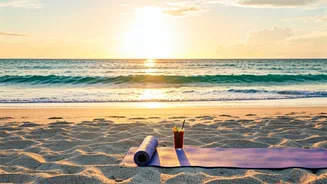
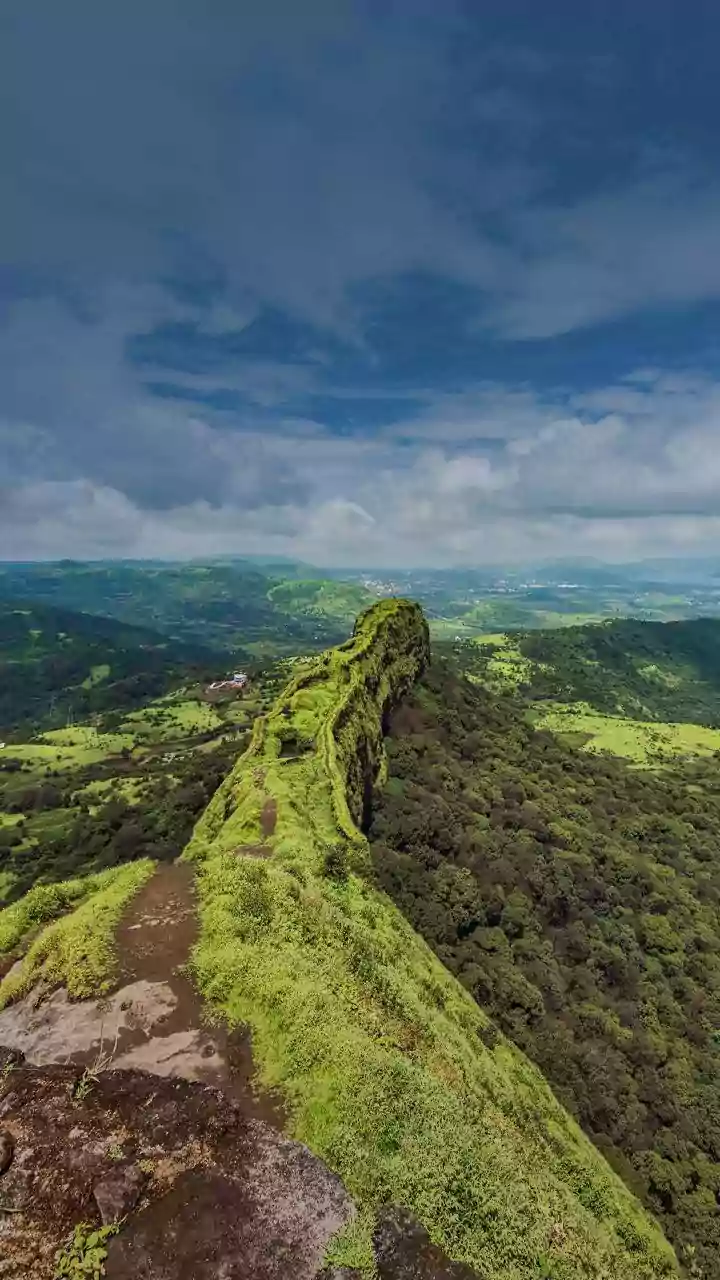
This new mindset is fueling the rise of “transformational travel.” The goal is no longer just to see a new place, but to return home slightly changed for the better. This might mean spending a week in Costa Rica at a yoga and surf camp, not just for the activities themselves, but for the structured routine and community. It could be a digital detox in a remote cabin, where the main goal is to disconnect from screens and reconnect with nature and oneself. Even the destinations are shifting. Instead of defaulting to major party hubs, many are seeking out places known for their natural beauty, spiritual significance, or quiet, mindful culture. The appeal of sobriety-focused travel, or “dry tripping,” is also surging. Gen Z is drinking less than previous generations, and their travel habits reflect that. They’re seeking destinations where the main event isn’t alcohol, but experiences that are enriching and memorable for their clarity, not their haze.
The New Travel Brag Is Inner Peace
Of course, social media still plays a role—it just looks different. The vacation photo dump is evolving. While the poolside bikini shot isn’t going anywhere, it’s now joined by photos that signal personal growth and mindfulness. Think of the shot of a journal entry written against a mountain backdrop, a time-lapse of a sunrise yoga session, or a proud photo of a handmade souvenir from a local workshop. The aesthetic has shifted from conspicuous consumption to conspicuous self-improvement. It’s a visual language that says, “I’m not just on vacation; I’m on a journey.” This public-facing documentation of wellness reinforces the trend, creating a feedback loop where the pursuit of inner peace becomes an aspirational, shareable goal. In this context, the best travel story isn’t about how wild the party was, but about how centered and renewed you feel.