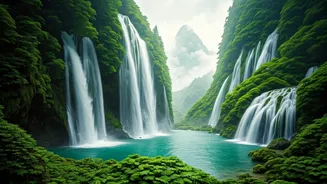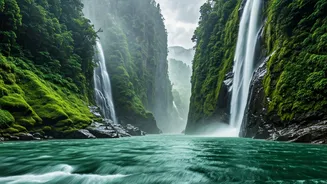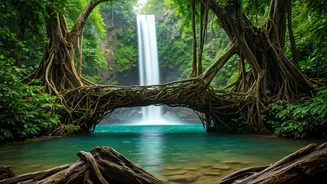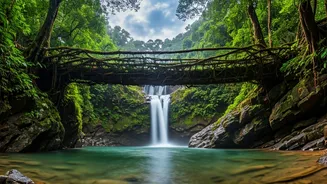



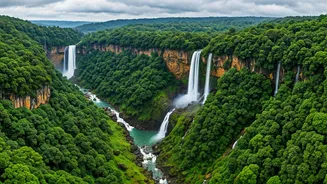


Welcome to the Abode of the Clouds
Forget what you know about rain. This isn't a drizzly afternoon in Seattle. This is the monsoon in Meghalaya, a state whose name literally translates to “the abode of the clouds.” Here, rain isn't an inconvenience; it's the main event. It's a force of nature
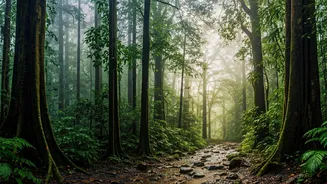
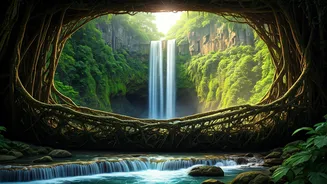
that carves canyons, fuels deafening waterfalls, and sustains a landscape so lush and green it feels otherworldly. For generations, the indigenous Khasi people have adapted not by fighting the water, but by working with it. They famously guide the roots of rubber trees across rivers, patiently training them over years to form stunning, sturdy “living root bridges.” Visiting during the monsoon (roughly June through September) isn't about staying dry. It's about witnessing the world come alive in a way that’s impossible to imagine in drier climates, a pilgrimage for travelers seeking raw, untamed nature.
Mawsynram: The Reigning Champion of Rain
Holding the Guinness World Record for the highest annual rainfall, Mawsynram is, statistically, the wettest place on Earth. The village receives an average of 467 inches of rain per year—that's nearly 39 feet. To put it in perspective, New York City gets about 50 inches. Life here moves to the rhythm of the rain. Locals use “knups,” turtle-shell-like shields of woven bamboo, to protect themselves from the deluge while they work. The sound of rain is a constant, meditative hum. The main draw of Mawsynram is the sheer experience of being in such an extreme environment. The surrounding landscape is a spectacle of dramatic waterfalls and deep, mist-filled valleys. Nearby, the Mawsmai Cave offers a glimpse into the region’s unique geology, with its impressive stalagmite and stalactite formations sculpted by centuries of dripping water.
Cherrapunji (Sohra): The Icon with Epic Views
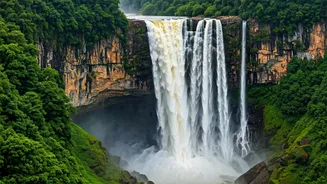
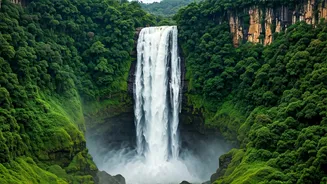
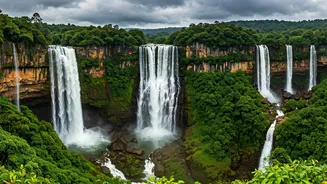
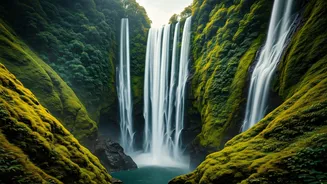
Before Mawsynram took the title, Cherrapunji (now officially known by its traditional name, Sohra) was a global byword for rain. While it’s technically the second-wettest place, it still receives a staggering amount of precipitation and arguably offers a more developed tourist experience. Cherrapunji is home to some of India’s most iconic natural landmarks, which are at their most powerful during the monsoon. The Nohkalikai Falls, the tallest plunge waterfall in the country, is a terrifyingly beautiful sight as it plummets over a thousand feet into a turquoise pool below. The Seven Sisters Falls cascade down limestone cliffs in a dramatic panorama. But Cherrapunji's crown jewel is the Nongriat Double-Decker Living Root Bridge. This feat of bio-engineering is a challenging but deeply rewarding trek away, and seeing it withstand the monsoon’s fury is an unforgettable experience.
So, Which Wet Wonderland Is for You?
The choice between Mawsynram and Cherrapunji comes down to the kind of traveler you are. Mawsynram is for the purist. It’s more remote, less commercially developed, and offers the bragging rights of visiting the literal wettest spot on the globe. The experience here is more about immersion in the raw, natural environment and the quiet rhythm of village life under the clouds. Cherrapunji, on the other hand, is better geared for tourism. It has more hotels, restaurants, and easily accessible viewpoints for its star attractions. If you want to see the most famous waterfalls and the legendary double-decker bridge without venturing too far off the beaten path, Cherrapunji is the more practical choice. Many travelers, however, choose to visit both, as they are only a short, scenic drive apart.
Embracing the Downpour: A Traveler’s Guide
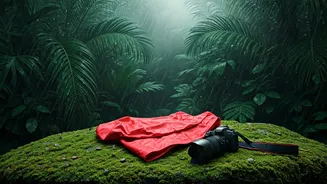
A trip to Meghalaya during the monsoon requires preparation. Waterproofing is non-negotiable: pack a high-quality rain jacket, waterproof pants, and sturdy, quick-drying footwear with excellent grip for slippery trails. A waterproof bag for electronics is essential. To get there, most U.S. travelers fly into Guwahati in the neighboring state of Assam, then hire a car for the scenic three-to-four-hour drive up into the hills of Meghalaya. While the monsoon peaks from June to September, the “shoulder” months of May and October can offer a good balance of rain and clearer skies. Embrace the dampness, be prepared for travel delays due to landslides, and you'll be rewarded with a travel story few can match.