





The Local Artisan's Touch
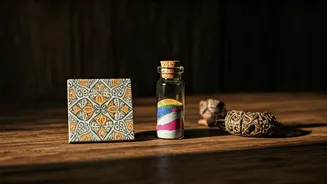
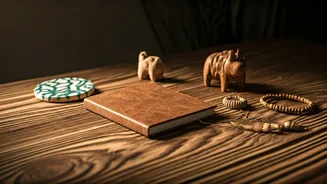
Forget the factory-made miniature Eiffel Tower. The new status symbol is the one-of-a-kind object you can’t get at the airport gift shop. Think a hand-thrown ceramic mug from a potter in Asheville, a block-printed scarf from a Jaipur market, or a piece
of driftwood art found in a small gallery on the Oregon coast. This shift is about appreciating craftsmanship and connecting directly with a place's creative pulse. Buying from an artisan not only supports the local economy but also gives you a tangible piece of it. You’re not just buying an object; you're buying the story of the person who made it, the materials they used, and the cultural tradition it represents. It’s the ultimate antidote to the generic, mass-produced clutter that fills tourist traps worldwide.
Edible (and Drinkable) Memories
Why buy a t-shirt that says “Napa Valley” when you can bring home a bottle of wine from a small, family-run vineyard you actually visited? Consumable souvenirs are booming because they offer a direct route back to a moment in time. A drizzle of infused olive oil from a farm in Greece can transport you back to a sun-drenched lunch. A jar of locally harvested honey from Vermont makes your morning toast a reminder of a fall foliage trip. Unlike a tchotchke that gathers dust, an edible souvenir is meant to be shared and enjoyed, extending the pleasure of the trip long after you've unpacked. It engages senses beyond sight—taste and smell are powerful memory triggers, making that jar of jam or spice blend a far more potent memento than another magnet on the fridge.
Vintage and Flea Market Finds
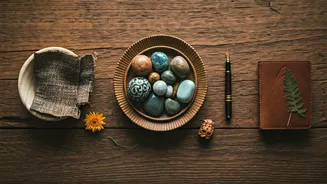
There’s a special kind of magic in finding a souvenir that already has a history. Instead of buying a new, sterile poster of a city skyline, today’s savvy traveler is digging through crates at a Parisian flea market for a vintage map or an old brass key. These objects come with a built-in narrative. Who used this 1950s camera before you? Who mailed this postcard from 1922? The hunt itself becomes part of the travel story. It requires curiosity and a little bit of work, turning a shopping trip into an urban adventure. A secondhand book from a famous local bookstore or a piece of vintage jewelry becomes a secret shared between you and the city, a treasure that feels discovered rather than simply purchased.
Practical, Usable Treasures
The era of the purely decorative souvenir is fading. Many travelers now gravitate toward items they can integrate into their daily lives. A beautiful, high-quality object that serves a purpose is a constant, gentle reminder of a journey. Think of a set of hand-woven linen napkins from Mexico used for special dinners, a sturdy leather belt from a Florentine craftsman, or a fragrant, handmade soap from Provence. Every time you use it, you reconnect with the memory of where you found it. This approach transforms the souvenir from a static display piece into a dynamic part of your life. It’s a more sustainable, minimalist approach to collecting, focusing on quality and utility over novelty and quantity.
The 'I Learned Something' Souvenir
As the experience economy grows, the best souvenirs are often the ones that aren't things at all—or at least, they represent an experience. Instead of buying a cookbook, you take a cooking class in Thailand and bring home the recipes you mastered (and maybe the specific curry paste you learned to use). Instead of a surfboard-shaped keychain, you have the memories (and maybe a certificate) from your first surf lesson in San Diego. These 'souvenirs' are skills, stories, and a sense of accomplishment. The physical object—be it a recipe card, a small tool from a workshop, or just photos of the event—is secondary to the experience it represents. It’s the ultimate personal memento, because the value is encoded in you, not just in an object you carried home.