

The Era of the Minimalist Fortress
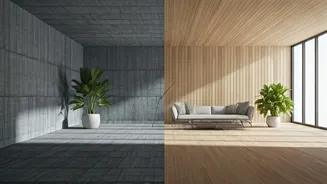
Remember the look? It dominated design magazines and high-end real estate listings for the better part of two decades. We’re talking about the stark architectural interior: a domain of polished concrete floors, gallery-white walls, and cavernous, echoing
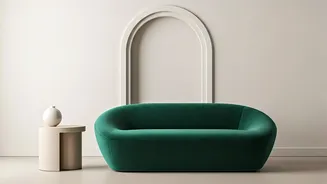
spaces. Furniture was often sculptural and severe, chosen for its sharp lines rather than its comfort. Kitchens were sleek, handle-less monoliths of stainless steel and glossy lacquer, where evidence of actual cooking seemed forbidden. This aesthetic was the physical manifestation of a certain kind of aspirational modernism. It signaled wealth, discipline, and a curated life, free from the messy realities of clutter and chaos. It was the home as a status object, a pristine backdrop for a life that was meant to look perfect, especially on camera. The philosophy was ‘less is more,’ but it often felt less like tranquil simplicity and more like a beautiful, self-imposed austerity.
A Global Event Changed Everything
Then, in 2020, the world sent everyone home. The stark, architectural interior, designed to be looked at and admired from a distance, suddenly had to be lived in—24/7. And for many, it failed the test. That minimalist fortress quickly started to feel like a stylish prison. A concrete floor is cold on bare feet day after day. A sculptural sofa offers little comfort for a movie marathon. A pristine white room feels less like a canvas for thought and more like a sterile lab when you can’t leave it. The pandemic was a massive catalyst, forcing a collective re-evaluation of what ‘home’ means. It was no longer just a place to sleep and store our belongings between stints at the office and social engagements. It had to become our office, gym, school, restaurant, and, most importantly, our sanctuary. The need for psychological comfort and functional flexibility became paramount, and the cold, rigid aesthetic of the past simply wasn't built for it.
Enter the Warm and Grounded
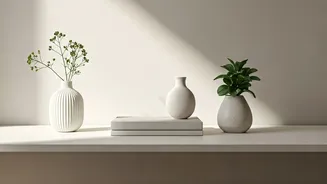
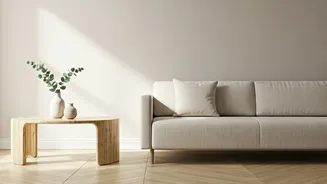
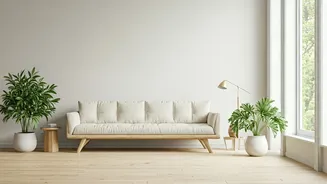
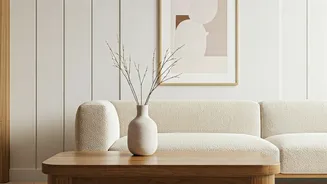
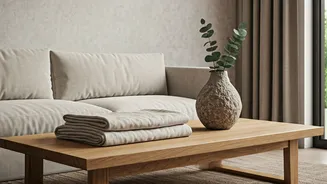
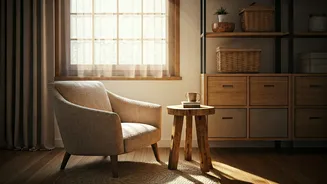
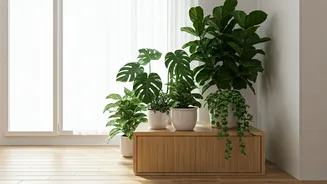
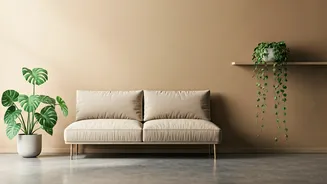
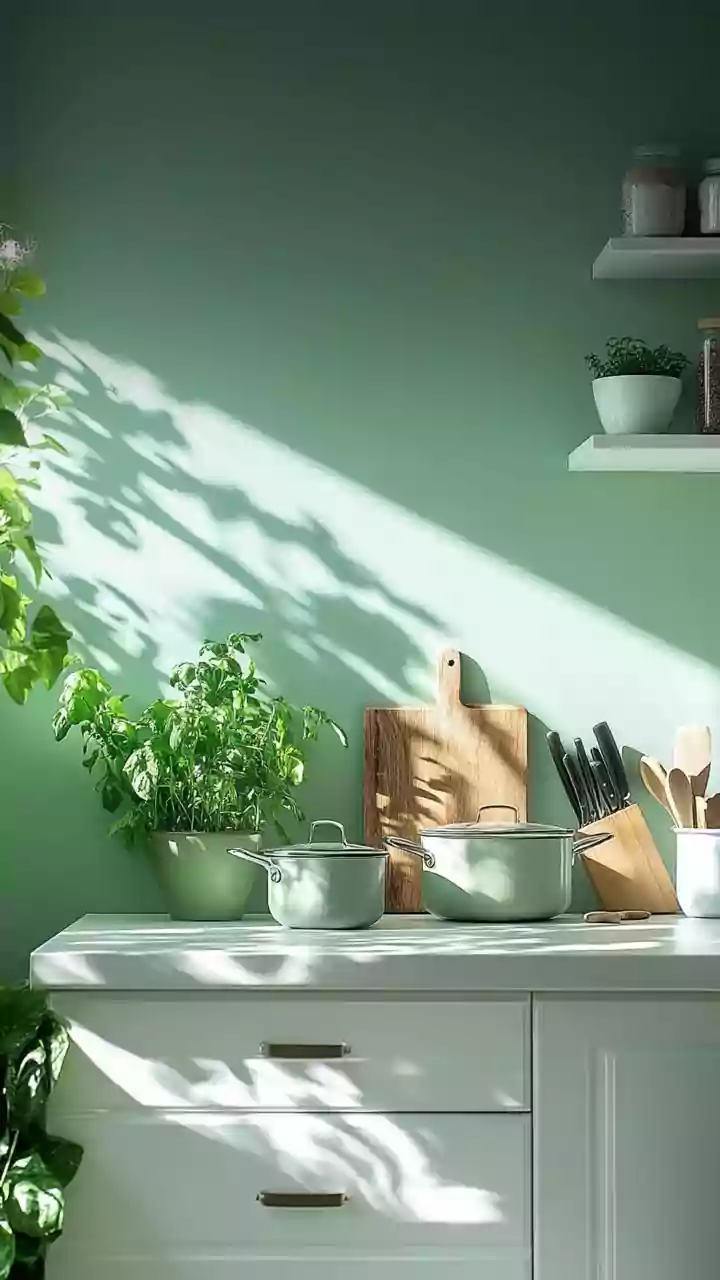
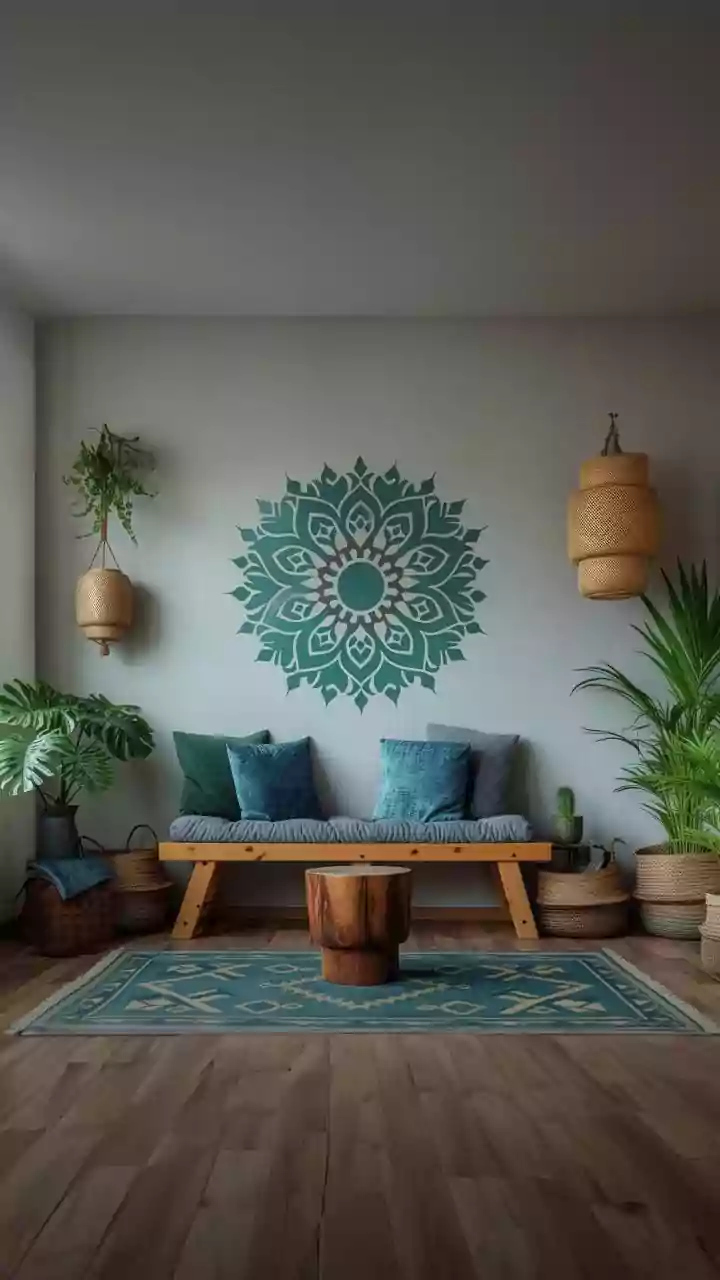
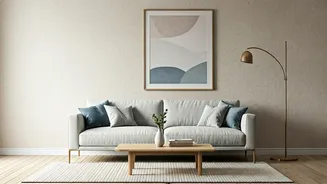
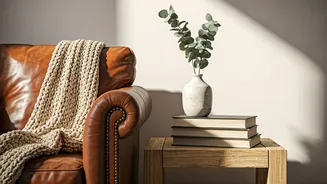
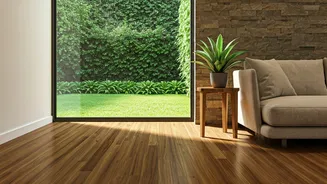
In place of the old guard, a new philosophy has taken root: warm, grounded design. This isn't about a specific, rigid style but a feeling. It’s an approach that prioritizes tactility, nature, and a sense of personal history. Think materials that are a pleasure to touch: rough-hewn wood, nubby boucle fabric, soft linen curtains, and the cool smoothness of travertine or marble. The color palette has shifted from stark white and gray to a spectrum of earthy, soothing tones—terracotta, sage green, deep blues, and a thousand shades of cream and beige. This trend pulls from several established movements. It has elements of ‘Japandi’ (a hybrid of Scandinavian function and Japanese rustic minimalism), biophilic design (the integration of nature into the built environment), and ‘organic modernism.’ The goal is to create spaces that feel calming, safe, and connected to the natural world. It’s about filling a home with plants, light, and objects that have meaning, whether it's a handcrafted ceramic vase or a well-worn vintage rug.
The New Definition of Luxury: Comfort
Ultimately, this shift is about more than just aesthetics; it’s a change in values. The old architectural minimalism was tied to an image of success that often felt impersonal and performative. It was the visual language of hustle culture and optimized living. In contrast, the move toward warm, grounded interiors reflects a broader cultural turn toward wellness, authenticity, and sustainability. It acknowledges that true luxury isn’t about having a home that looks like no one lives in it. True luxury is comfort. It’s the simple pleasure of a space that supports your well-being, that forgives a little clutter, and that feels uniquely yours. It’s a design philosophy that recognizes our fundamental human need for softness, for connection, and for a place to feel genuinely at ease. The perfect, untouchable interior has lost its appeal because we’ve realized our homes shouldn't be monuments to perfection. They should be havens for our imperfect, beautiful lives.