








The Old Wisdom: Fighting Humidity with Tradition
For generations, the Indian approach to monsoon beauty was rooted in Ayurvedic principles and kitchen-cabinet remedies. The goal was to control the inevitable oiliness and combat the dampness that can lead to breakouts and fungal infections. The hero
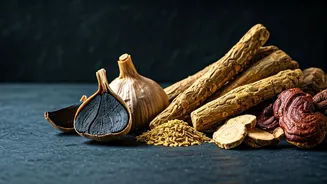
ingredient was often *multani mitti* (Fuller's earth), a natural clay mixed into a paste to draw out excess sebum from the skin. Turmeric and neem, with their powerful antibacterial and anti-inflammatory properties, were used in face packs (*ubtans*) to keep skin clear. For hair, the enemy was frizz and a greasy scalp. Heavy oils like coconut and mustard were used in pre-shampoo treatments to nourish, but the daily reality was often a battle against limp, weighed-down strands. The traditional wisdom was effective but often heavy, relying on powerful, earthy ingredients to absorb, purify, and protect.
The Change: The Rise of Lightweight Science
Here’s where the routine “just changed.” While the old wisdom remains foundational, a new school of thought has emerged, blending tradition with modern dermatological science. The biggest shift is the move from absorption to hydration. Instead of just trying to soak up oil with heavy clays, the new approach focuses on giving the skin exactly what it needs to stay balanced in high humidity: water. Enter the superstars of modern skincare: hyaluronic acid, niacinamide, and ceramides. Indian women are increasingly ditching thick, occlusive creams for ultra-light, gel-based moisturizers. These formulas deliver a burst of hydration without adding oil, helping to strengthen the skin's barrier. A healthy barrier is less prone to irritation and can better regulate its own oil production, even when the air feels like soup.
Rethinking the Cleanse
The combination of sweat, grime, and humidity during the monsoon is a recipe for clogged pores. The traditional solution was often a harsh, soap-based cleanse to feel “squeaky clean.” The modern routine, however, champions a gentler but more thorough method: double cleansing. This two-step process, borrowed from Korean beauty, is perfectly suited for the monsoon. It starts with an oil-based cleanser to melt away waterproof sunscreen, makeup, and sebum. This is followed by a low-pH, non-stripping gel or foam cleanser to wash away any remaining residue. The result is skin that is deeply clean but not stripped of its natural moisture, preventing the dreaded cycle of over-drying and subsequent oil overproduction.
Taming the Frizz Factor, The New Way
Monsoon hair is a category unto itself. The high moisture content in the air causes the hair cuticle to swell, resulting in the notorious frizz halo. While deep oiling sessions are still a beloved weekend ritual, daily management has gotten a major upgrade. The new monsoon hair arsenal includes silicone-free anti-humidity sprays that form an invisible shield around the hair shaft, blocking moisture from getting in. Instead of heavy, leave-in creams, women are opting for lightweight serums containing keratin or argan oil, applied sparingly to the ends. Scalp health has also become a priority. Anti-fungal shampoos containing ketoconazole are used once or twice a week to prevent the dandruff and scalp infections that thrive in damp conditions, a modern fix for an age-old problem.
Makeup for the Downpour
Finally, the makeup bag gets a monsoon makeover. The old rule was simply to wear less. The new rule is to wear smarter. The focus has shifted to long-wear, water-resistant formulas that can withstand sweat and an unexpected shower. Think tinted sunscreens instead of heavy foundations, waterproof mascaras and eyeliners that don’t smudge, and cream blushes that melt into the skin rather than powdery formulas that can look cakey. The mantra is minimalism, but a technologically advanced minimalism designed to look fresh and natural, no matter how high the humidity climbs.