


The New 9-to-5 Reshapes the Plate
The single biggest driver of this shift is the seismic change in how Americans work. The pre-pandemic ritual of grabbing a quick, often mediocre, lunch near the office has been replaced for millions by the reality of the home kitchen. But here’s the twist:
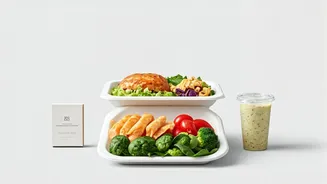
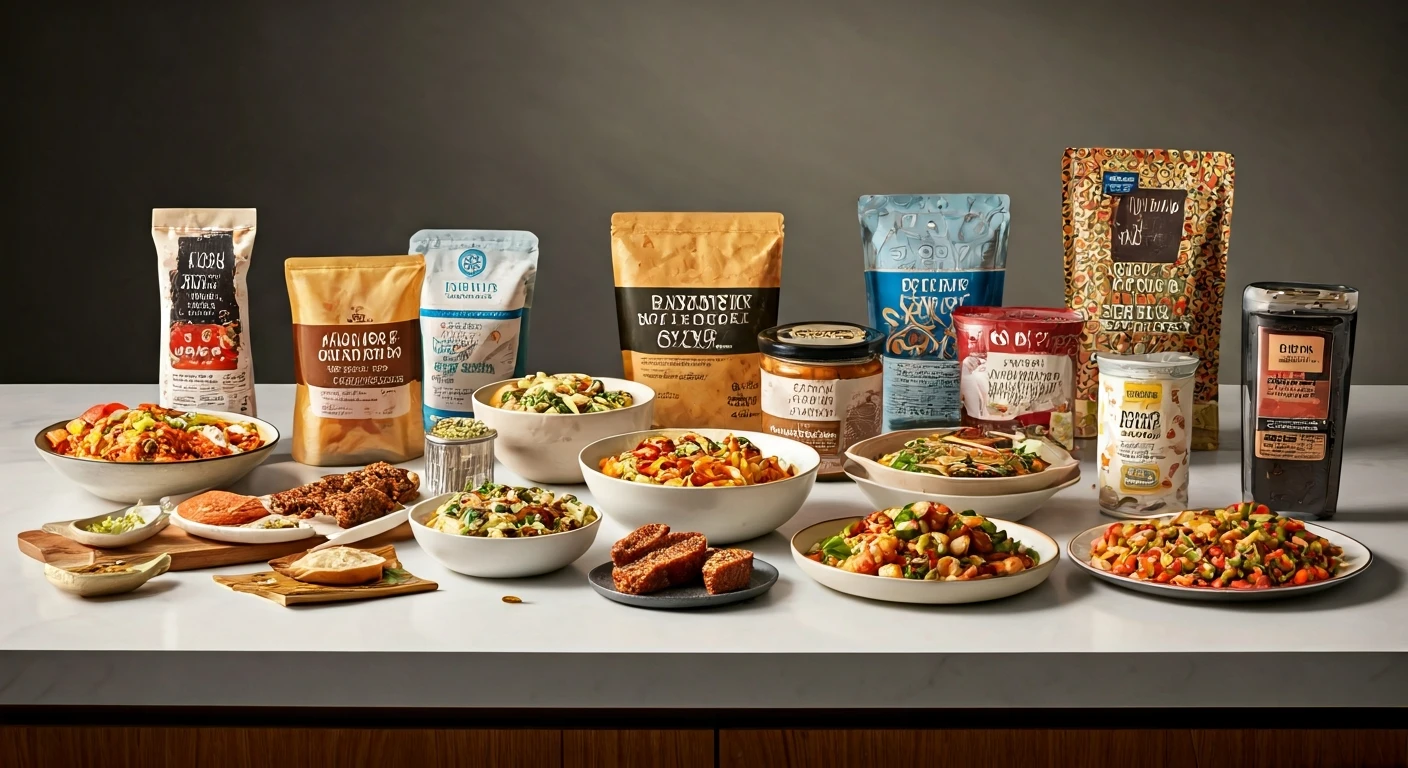
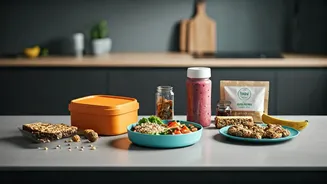
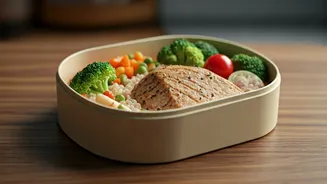
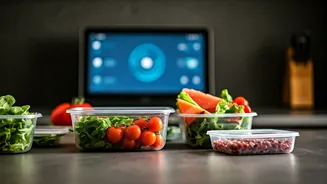
hybrid and remote workers aren't suddenly becoming gourmet chefs with hours to spare. They are still time-crunched, juggling Zoom calls and household duties. This creates a powerful demand for meals that are both high-quality and require minimal effort. The sad desk salad is being usurped by direct-to-consumer meal kits, upscale ready-to-eat bowls, and grocery items that offer a 'homemade' feel without the prep work. Companies that understand the nuances of the new workweek—where lunch is a 20-minute break, not a 60-minute escape—are poised to win.
Technology Unlocks Freshness and Speed
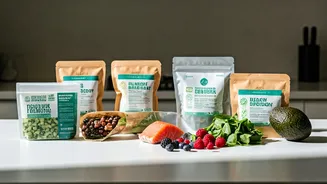
This movement isn't just about changing habits; it’s enabled by technology. The rise of sophisticated direct-to-consumer (DTC) logistics means brands can ship everything from frozen smoothies to pre-marinated proteins directly to your door, bypassing traditional grocery stores. Think of services like Daily Harvest or CookUnity. But the tech goes deeper. Innovations in high-pressure processing (HPP) and new packaging technologies are extending the shelf life of fresh, preservative-free foods. This allows 'healthy' to mean fresh, not just frozen or canned. Furthermore, AI and data analytics are helping companies predict demand, personalize offerings, and optimize delivery routes, making the entire ecosystem more efficient. Convenience is no longer just about location; it's about a frictionless experience from online ordering to a quick, clean cleanup.
“Healthy” Gets a Personalized Makeover
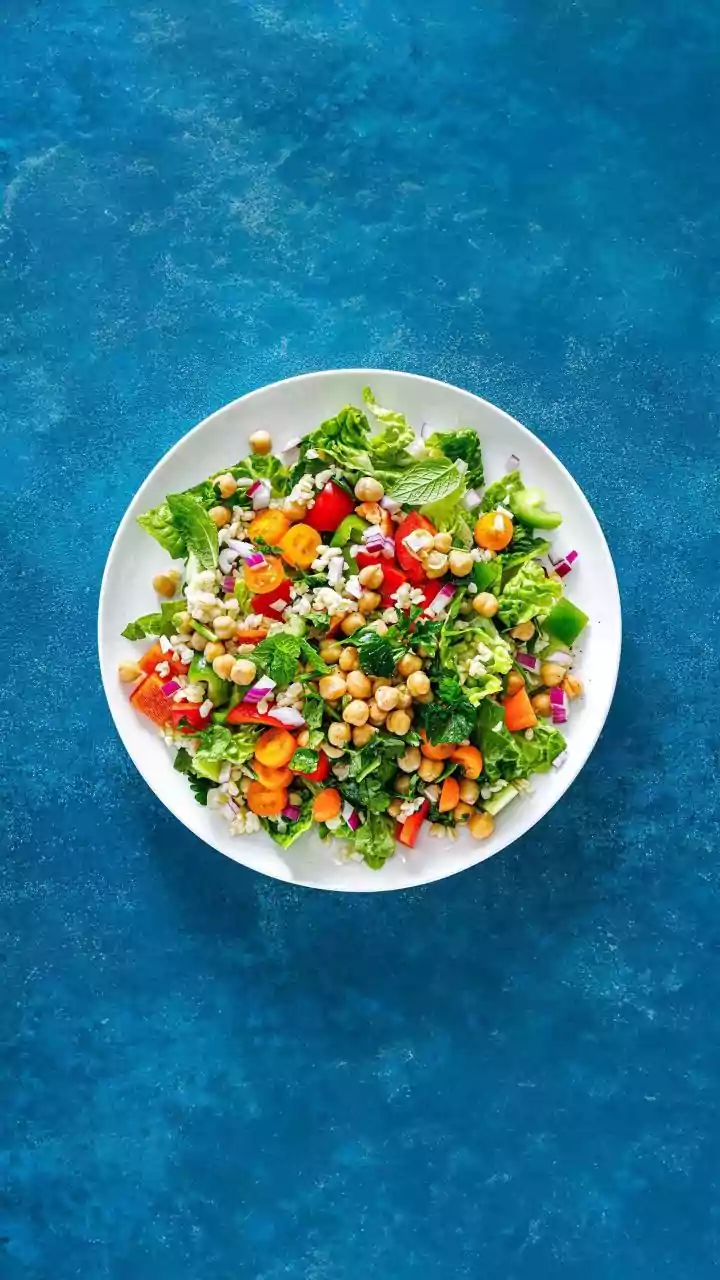
Simultaneously, the very definition of 'healthy' has evolved. The era of one-size-fits-all dieting—low-fat, low-carb, low-calorie—is fading. Today’s consumers, particularly Millennials and Gen Z, view food through a lens of holistic wellness and personalization. 'Healthy' now encompasses a wide spectrum: plant-based, high-protein, gut-friendly, sustainably sourced, free from specific allergens, or containing 'functional' ingredients like adaptogens or nootropics. People want food that does something for them, whether it’s boosting energy or improving focus. This creates a massive opportunity for brands to cater to niche dietary needs at scale. The ideal product isn't just a generic 'healthy choice'; it’s a keto-friendly, gluten-free power bowl that can be ready in two minutes. This level of specificity, combined with convenience, is the core of the 2026 sweet spot.
The Money Follows the Mouth
Where consumer demand goes, investment capital follows. Venture capitalists and large CPG corporations are pouring billions into the healthy-convenient food space. Startups that master this intersection are seeing explosive growth and high valuations. Meanwhile, legacy food giants like Nestlé and General Mills are rapidly acquiring innovative brands or reformulating their own products to meet the new standard. They see the writing on the wall: the center aisles of the grocery store, once dominated by shelf-stable processed goods, are losing ground to the fresh perimeter and the digital marketplace. This influx of capital accelerates the cycle of innovation, leading to better products, more sophisticated marketing, and greater consumer access. It’s a clear signal from the market that this isn't a fleeting trend but a fundamental, long-term realignment of consumer priorities.