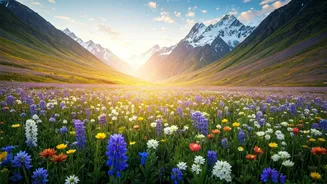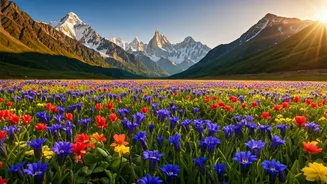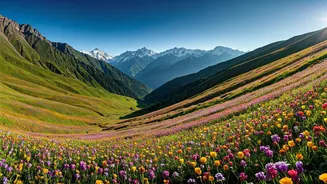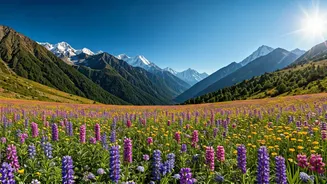




A Real-Life Eden in the Himalayas
Forget manicured botanical gardens. The Valley of Flowers National Park is a raw, high-altitude Himalayan valley that remains blanketed in snow for most of the year. But from June to October, as the monsoon rains sweep across northern India, this remote
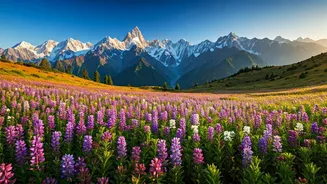
landscape undergoes a breathtaking transformation. Declared a UNESCO World Heritage Site, the valley becomes a vibrant carpet of over 600 species of alpine flowers, many of which are found nowhere else on Earth. It’s a place of myth and legend in Hindu culture, once called “Nandan Kanan,” which translates to the Garden of Indra, the celestial king. For travelers, it represents one of the most beautiful and accessible trekking destinations in the Indian Himalayas.
The Spectacle of the Bloom
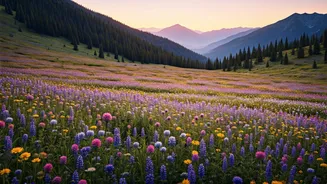
The “bloom season” is what makes this place legendary. As the snow melts, it reveals a canvas that is quickly painted with wild geraniums, marsh marigolds, primulas, and potentillas. The real stars, however, are the rare and exotic species that draw botanists and nature lovers from around the globe. Keep an eye out for the elusive blue poppy, a flower so vibrant it seems otherworldly. You might also spot the otherworldly Brahma Kamal, the state flower of Uttarakhand that blooms only at night, or the peculiar-looking cobra lily. The sheer density and diversity are staggering. The landscape changes almost daily, with different flowers peaking at different times, creating a dynamic floral tapestry against a backdrop of snow-capped peaks and cascading waterfalls.
The Journey Is Part of the Magic
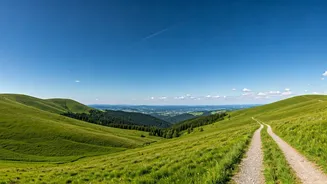
Getting to the Valley of Flowers is an adventure in itself, and it’s crucial to understand that this isn’t a roadside attraction. The journey requires a multi-day trek, which is precisely what preserves its pristine beauty. The adventure typically begins from the small town of Govindghat. From there, it’s a roughly 8-mile trek to the base village of Ghangaria. While ponies and helicopter services are sometimes available for part of the journey, the trek itself is a moderately challenging but incredibly rewarding experience, winding through lush forests and alongside the gushing Pushpawati River. After an overnight stay in Ghangaria, a final 2-mile climb brings you to the entrance of the valley. The effort makes the final reveal all the more spectacular; as you step into the vast, open meadow, the scale of the bloom is genuinely awe-inspiring.
How to Plan Your Himalayan Adventure
Convinced? The best time to visit is from mid-July to mid-August when the bloom is at its absolute peak. To get there, you’ll fly into Jolly Grant Airport in Dehradun (DED) and then undertake a multi-day road trip through winding mountain roads to reach Govindghat. Given the logistics, most travelers opt to work with a local guide or trekking company. They handle permits, accommodations in Ghangaria (which are simple guesthouses), and navigation, allowing you to focus on the experience. Essential packing includes sturdy, waterproof hiking boots, layers of clothing for fluctuating temperatures, robust rain gear (it is the monsoon season, after all), and a camera with plenty of battery life. Acclimatizing to the altitude is key, so plan to spend a day or two taking it easy before beginning the main trek.