



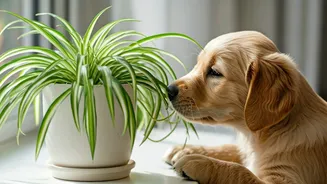
A Worry-Free Plant for Pet Parents
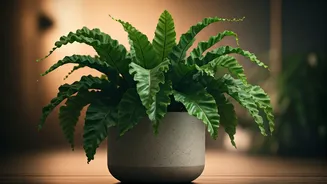
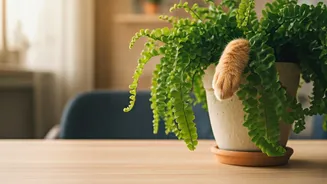
Let’s get the most important question out of the way first. According to the American Society for the Prevention of Cruelty to Animals (ASPCA), the Boston Fern (Nephrolepis exaltata) is non-toxic to both cats and dogs. This certification is the gold standard
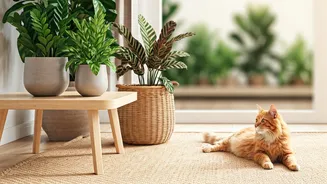
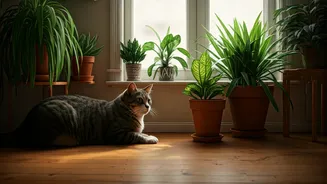
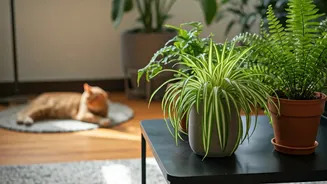
for pet parents, offering genuine peace of mind. While you might not want your furry friend making a meal out of its fronds for the plant’s sake, you can rest easy knowing that an inquisitive nibble won’t result in a frantic, middle-of-the-night trip to the emergency vet. This safety designation allows you to place them in hanging baskets, on low stands, or on the floor, integrating them fully into your home without creating a no-go zone for your pets.
The Ultimate Soft-Focus Greenery
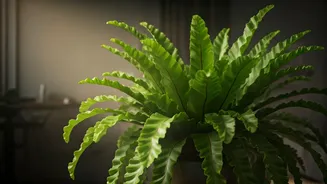
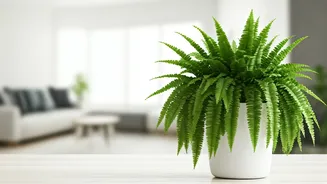
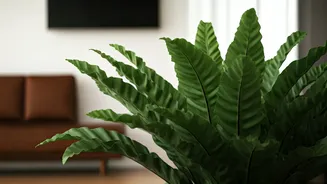
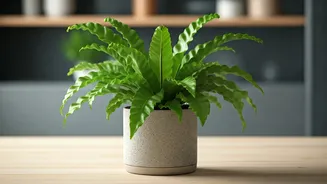
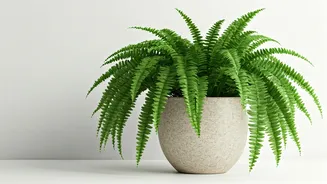
The Boston Fern’s appeal goes far beyond its safety. It is the very definition of “cosy.” Its long, arching fronds are covered in tiny, delicate leaves, creating a soft, feathery texture that few other houseplants can match. This isn’t the sharp, architectural statement of a Snake Plant or the bold, dramatic foliage of a Monstera. Instead, the Boston Fern adds a layer of gentle, classic charm. It evokes images of Victorian parlors and sun-drenched porches, filling spaces with a sense of calm and history. In modern decor, it acts as a perfect counterpoint to hard lines and minimalist furniture, introducing a touch of natural, untamed beauty that instantly makes a room feel more lived-in and welcoming.
Finding the Right Light and Water
To keep your Boston Fern lush and happy, think like a forest floor. These plants thrive in bright, indirect light. A spot near an east-facing window where it gets gentle morning sun, or a few feet back from a powerful south- or west-facing window, is ideal. Direct, scorching sunlight will quickly burn its delicate fronds, leaving them brown and crispy. When it comes to watering, consistency is key. The soil should be kept consistently moist, but never waterlogged. A good rule of thumb is to water thoroughly when the top inch of soil feels dry to the touch. Don't let the entire pot dry out completely, as this can cause the fronds to yellow and drop.
The Secret Ingredient: Humidity
If there is one secret to a thriving Boston Fern, it’s humidity. These plants are native to humid, subtropical and tropical regions, and they crave moisture in the air. A dry, centrally heated American home in the winter is their worst enemy. If your fern starts to look a little sad or its leaf tips turn brown, low humidity is the most likely culprit. Thankfully, boosting it is easy. The simplest method is regular misting with a spray bottle every day or two. For a more passive solution, place the pot on a tray filled with pebbles and water, ensuring the bottom of the pot isn't sitting in the water. Grouping it with other houseplants or running a small humidifier nearby can also create a humid microclimate that your fern will adore.
Troubleshooting Common Issues
Even with the best care, you might notice your fern looking a little off. Don't panic. Brown, crispy fronds often point to underwatering or low humidity. Yellowing leaves can be a sign of overwatering, so check if the soil feels soggy. It's also perfectly normal for a Boston Fern to shed tiny leaflets; this is part of its natural life cycle, not necessarily a sign of distress. Just be prepared for a little light sweeping now and then. If you see pests like spider mites, which can thrive in dry conditions, give the plant a good shower in the tub and boost the humidity to make the environment less hospitable for them.