



Redefining 'Bad' Weather
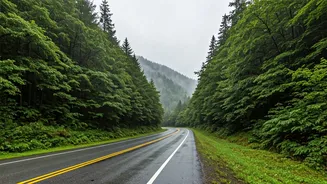
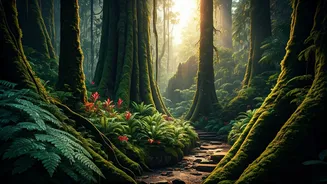
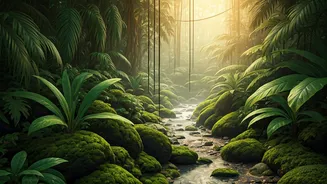
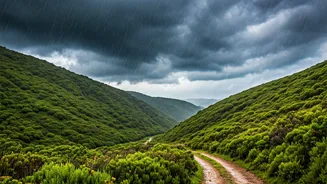
The word “monsoon” often conjures images of washed-out roads and ruined plans. For the savvy traveler, however, it’s a code word for something else entirely: the “green season.” This is the time of year when landscapes, parched by months of sun, explode
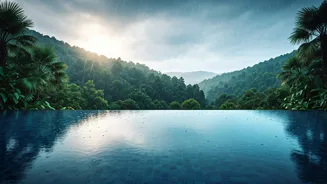
into impossible shades of emerald. Waterfalls that were mere trickles roar back to life, and the dust settles, leaving the air smelling clean, earthy, and alive. The experience is a sensory feast. Instead of the oppressive heat of peak season, you get cooler temperatures and dramatic, cloud-studded skies that make for breathtaking photographs. The rhythm of the day changes, too. Often, the rain comes in predictable, intense bursts in the afternoon, creating the perfect excuse to retreat to a cozy café, a serene spa, or a hotel balcony with a good book and listen to the downpour—an activity that feels like a luxury in itself.
The Luxury of Solitude
The most tangible benefit of off-season travel is the delicious absence of crowds. Imagine wandering through the ancient temples of Angkor Wat in Cambodia with only a handful of other visitors, the morning mist still clinging to the carved stones. Picture yourself on a beach in Thailand, the shoreline nearly empty, allowing you to hear the waves instead of a dozen competing bluetooth speakers. This is the “premium” feeling the headline promises. Fewer people means more space, more quiet, and more authenticity. You’re no longer just another face in a tourist horde; you’re a guest. Locals are often more relaxed, tour guides can offer more personalized attention, and you get a clearer glimpse into the daily life of a place, which is often obscured during the high-season frenzy. This lack of congestion transforms popular destinations from overwhelming checklists into places of genuine discovery and connection.
Destinations That Shine in the Rain
Not all destinations are created equal when it comes to rainy-season appeal. The key is to choose places where the monsoon enhances the scenery and experience. In Southeast Asia, countries like Vietnam, Cambodia, and Thailand become incredibly lush. The rice paddies of Sapa or Bali turn a vibrant, terraced green that simply doesn't exist in the dry season. In India, the state of Kerala is a prime monsoon destination. The famed backwaters are at their most beautiful, and it's traditionally considered the best time for Ayurvedic treatments, as the moist air is believed to help the body absorb the herbal oils. Even within the U.S., Arizona’s summer “monsoon” season brings spectacular thunderstorms that light up the desert sky, offering a dramatic and cooling respite from the intense heat—a natural spectacle that draws photographers and nature lovers alike.
How to Plan for the Perfect Storm
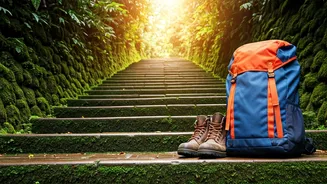
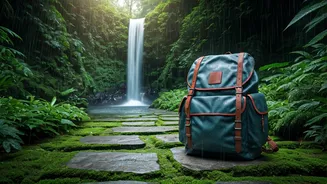
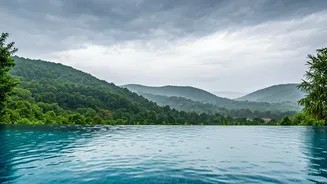
A successful monsoon trip isn't about ignoring the weather; it's about planning for it. First, pack smart. Lightweight, quick-drying clothes are your best friends. A reliable rain jacket, waterproof shoes or sturdy sandals, and a dry bag for electronics are non-negotiable. Second, build flexibility into your itinerary. A ferry might be canceled or a rural road temporarily impassable. Don't schedule every moment; instead, leave room for spontaneous changes. A canceled boat trip can become a fantastic afternoon spent exploring a local market. Third, choose your accommodation wisely. A hotel with a great view, a covered veranda, a cozy library, or an indoor pool becomes a destination in its own right when the rain starts to fall. Finally, embrace the local rhythm. Plan your outdoor explorations for the morning, which is often dry and sunny, and save the afternoons for indoor activities, a leisurely lunch, or even a nap as the rain passes.