


From Full Coverage to 'Skinimalism'
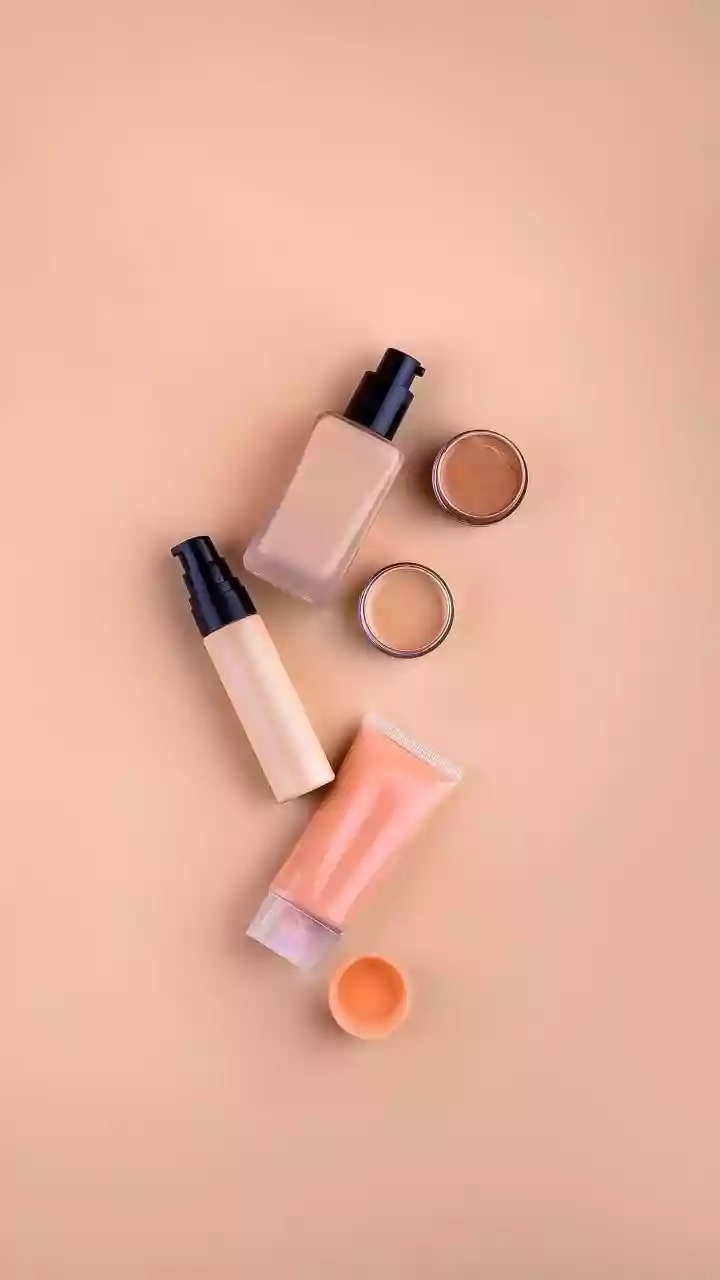
Forget the thick, matte foundations and sharp-edged contouring that defined the Instagram era. The new mood in makeup is decidedly more relaxed, often referred to as 'skinimalism.' This isn't just the latest iteration of the 'no-makeup makeup' look; it's
a fundamental shift in philosophy. The goal is no longer to create a perfect, flawless canvas, but to celebrate and enhance the skin you're in. Think dewy finishes that let real skin texture show through, strategically placed concealer instead of a full face of foundation, and a return to creamy, blendable formulas that melt into the skin. It’s about seeing freckles, fine lines, and the natural flush of your cheeks not as imperfections to be corrected, but as part of your unique look. This approach prioritizes healthy, glowing skin from within, with makeup serving as a final, subtle flourish rather than the main event.
The Psychology of Strategic Application
The confidence connection lies in the intention behind the application. Past trends often started from a place of deficit: covering blemishes, slimming a nose, creating the illusion of higher cheekbones. The process was about 'fixing' perceived flaws. This new trend flips the script entirely. It asks, 'What do I want to highlight today?' instead of 'What do I need to hide?' Maybe it's a bold, glossy lip while the rest of the face remains bare. Perhaps it's a wash of shimmery shadow on the lids to draw attention to the eyes. Or maybe it’s just well-groomed brows and a touch of blush to look awake and vibrant. By using makeup strategically and sparingly, the focus shifts from a mask of perfection to a tool for self-expression and mood enhancement. It’s an act of saying, 'This is my face, and I’m choosing to celebrate it,' which is an inherently confident posture.
A Reaction to the Filtered World
This movement didn't appear in a vacuum. It’s a direct and necessary reaction to the decade of hyper-curated, digitally altered images that dominated social media. After years of chasing an unattainable, filtered ideal, many are experiencing aesthetic fatigue. The pressure to look perfect 24/7—both online and off—has led to a collective burnout. The pivot towards authenticity in makeup is part of a broader cultural current that includes embracing body positivity, prioritizing mental wellness, and seeking out more genuine connections. People are tired of feeling like they need to apologize for looking human. This trend is a quiet rebellion against that pressure, championing a beauty that is relatable, achievable, and, most importantly, feels good.
How to Embrace the Mindset
Adopting this trend is less about buying new products and more about adjusting your technique and mindset. First, prioritize your skincare. When your skin is hydrated and healthy, you’ll feel less compelled to cover it up. Second, get reacquainted with your bare face. Spend time looking in the mirror and identify the features you genuinely like. This simple act can retrain your brain to see the good, not just the flaws. When you do apply makeup, start small. Use a lightweight tinted moisturizer or even just concealer where you need it. Try using your fingers to apply cream blush or bronzer for a more natural, lived-in finish. The ultimate goal is to use makeup to make yourself feel like a more confident version of *you*, not like someone else entirely.