






What Exactly Is 'Digital Gold'?
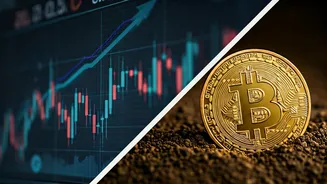
For decades, physical gold has been the ultimate safe-haven asset—a hedge against inflation and economic uncertainty. It's tangible, scarce, and universally valued. When market watchers refer to 'digital gold,' they're almost always talking about Bitcoin.
The comparison is straightforward: like gold, Bitcoin has a finite supply (only 21 million will ever be created), it exists outside the control of any single government or bank, and its believers see it as a long-term store of value. While other cryptocurrencies have different functions—some aim to be the backbone of a new internet, others to facilitate fast transactions—Bitcoin’s primary narrative has solidified. It’s not for buying coffee; it’s for preserving wealth in a digital-native format. This branding has been crucial in attracting investors who are wary of the endless money-printing that can devalue traditional currencies like the U.S. dollar.
The New Face of Investing
The rise of digital gold coincides with the empowerment of the small-scale, or 'retail,' investor. Platforms like Coinbase, Robinhood, and Cash App have torn down the barriers to entry that once kept Main Street out of complex financial markets. With just a few taps on a smartphone, anyone can buy a fraction of a Bitcoin. This new class of investor is often younger, more diverse, and deeply skeptical of the traditional financial system, which they view as rigged in favor of Wall Street elites. Events like the GameStop saga of 2021 cemented this anti-establishment sentiment. For them, investing in crypto isn’t just a financial decision; it’s a political statement. It’s a bet on a new, more transparent, and democratic financial future where they have a seat at the table—or can build their own.
More Than Money: The Psychology of the Flex
So, why the 'flex'? Bragging about your stock portfolio has long been considered tacky. But crypto is different. Casually mentioning your Bitcoin holdings or putting the laser-eyes meme on your social media profile is a complex social signal. It says, 'I’m tech-savvy,' 'I’m a forward-thinker,' and 'I was smart enough to get in early.' It signals a high tolerance for risk and an alignment with a specific, digitally native subculture. In a world where traditional markers of success—a stable career, a house with a white picket fence—feel increasingly out of reach for many, mastering the volatile world of crypto has become an alternative badge of honor. It's a way of demonstrating intellectual and financial prowess in a domain that older generations often find baffling. It’s the modern equivalent of knowing the coolest speakeasy; it shows you’re part of an exclusive club.
Out with the Rolex, In with the Ledger
Traditional status symbols like a Rolex watch or a Gucci bag are all about conspicuous consumption. They are physical declarations of wealth and taste. The crypto flex is the opposite: it’s an *inconspicuous* display. You can't see someone's Bitcoin wallet on their wrist. The flex happens through conversation, social media bios, or an NFT profile picture. This shift from physical to digital status reflects a broader cultural transformation. As our lives become more digital, so do our identities and social hierarchies. Owning a piece of the foundational layer of the new digital economy (or what proponents hope it will be) is seen as a more profound and forward-looking statement than owning another luxury good. The flex isn’t about the object itself, but the idea it represents: a stake in the future.