







The End of the 'No Pain, No Gain' Era
Remember when every workout was a race to exhaustion? The fitness culture of the 2010s was dominated by high-intensity interval training (HIIT), punishing bootcamps, and a general belief that if you weren't sore, you weren't working hard enough. This
“go hard or go home” mentality produced results, but it also led to a predictable wave of burnout, nagging injuries, and plateaus. People were running on empty, sacrificing long-term health for short-term intensity. Now, a more sustainable philosophy is taking hold. Trainers, physical therapists, and fitness influencers are championing a smarter approach. They argue that the magic doesn't happen during the workout itself; it happens afterward. Exercise is the stimulus that breaks down muscle tissue, but recovery is the process that rebuilds it stronger. Ignoring recovery is like constantly knocking down a wall without ever giving the mortar time to set. The result is a weaker structure, not a stronger one. This cultural shift recognizes that rest isn’t laziness—it’s a non-negotiable part of the performance equation.
More Than Just a Day Off
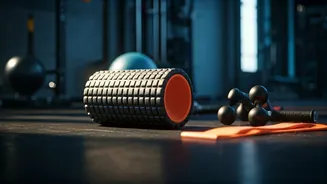
So, what does “recovery” actually mean? It’s far more than just skipping the gym and binge-watching TV. Modern recovery is an active, multi-faceted strategy designed to help your body and mind repair and adapt. It falls into a few key categories. The first is sleep, the undisputed champion of recovery. It’s when your body produces growth hormone, repairs tissue, and consolidates memory. Next is nutrition and hydration, which provide the raw materials needed for muscle repair and reduce inflammation. Then there’s the world of “active recovery.” This involves low-intensity movement—like a gentle walk, a light swim, or a restorative yoga class—on your rest days. It increases blood flow to sore muscles, helping to flush out metabolic waste without adding more stress. Finally, you have a growing market of passive recovery tools and modalities. This includes everything from simple foam rollers and stretching routines to high-tech compression boots, percussive massage guns, cryotherapy chambers, and infrared saunas. The goal of all these approaches is the same: to speed up the body’s natural healing processes, reduce soreness, and prepare you for your next workout.
The Tech That Tells You to Rest
A major catalyst for this trend is the explosion of wearable technology. Devices from brands like Whoop, Oura, and Garmin have transformed recovery from a vague feeling into a measurable science. These trackers monitor metrics like heart rate variability (HRV), resting heart rate, and sleep quality to generate a daily “recovery score.” Instead of just guessing how you feel, you now have data telling you whether your body is ready for a tough workout or if it needs a day of rest. This has been a game-changer for many. It provides objective “permission” to take it easy, overriding the guilt that often comes with skipping a planned workout. The data gamifies rest, turning recovery into another metric to optimize. This has also fueled a booming industry of recovery-focused products and services. Stretching studios are popping up in cities, gyms are creating dedicated “recovery zones” with foam rollers and massage guns, and at-home recovery tools have become as common as dumbbells.
Your Simple Recovery Starter Kit
You don't need a high-tech lab to start prioritizing recovery. Integrating it into your routine can be simple and highly effective. First and foremost, protect your sleep. Aim for 7-9 hours of quality sleep per night, as this is where the most powerful repair work happens. Second, embrace active rest. Instead of doing nothing on your off days, schedule a 30-minute walk or a gentle stretching session. This will often leave you feeling better than complete stillness. Third, invest in a foam roller. Just 10 minutes of rolling out major muscle groups like your quads, hamstrings, and back after a workout can significantly reduce muscle soreness. Finally, listen to your body. If you feel unusually fatigued, achy, or unmotivated, it might be a sign that you need an extra rest day. Learning to distinguish between being tired and being truly under-recovered is a crucial skill for long-term fitness.