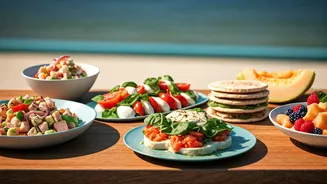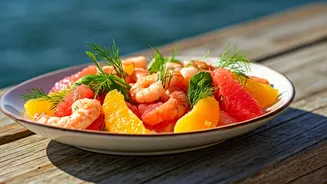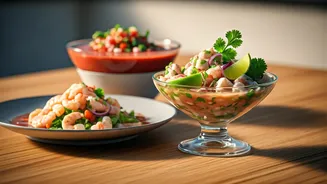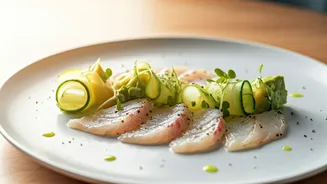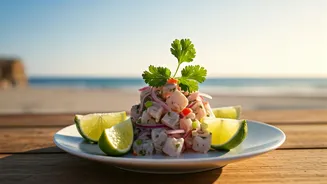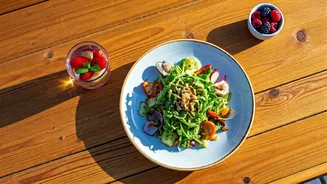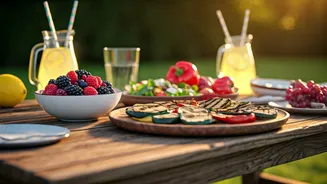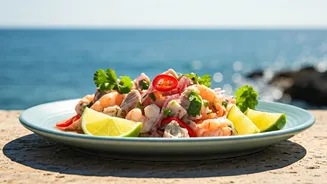



First, What Is 'Coastal Food Energy'?
Before you start picturing a full clambake in the office kitchen, let’s define our terms. “Coastal Food Energy” isn’t strictly about being near an ocean or even eating seafood. It’s a philosophy. It’s the feeling of a meal eaten on a sun-drenched patio,
with a light breeze and nowhere to be. It prioritizes freshness, simplicity, and vibrant flavors over complex preparations and heavy ingredients. Think Mediterranean shores, New England lobster shacks, or Baja fish taco stands. The key components are bright acidity, crisp textures, minimal cooking, and ingredients that taste like themselves. It’s food that refreshes you rather than weighs you down, turning your 30-minute lunch break into a mini-vacation.
Embrace the Power of Acidity
The fastest way to inject coastal vibes into any meal is with a sharp, bright hit of acid. A simple squeeze of lemon or lime can transform avocado, grilled chicken, or a can of tuna. A splash of good-quality vinegar—red wine, white wine, or sherry—can awaken a pile of boring greens or a bean salad. This is the secret weapon of coastal cooking. Acidity cuts through richness, cleanses the palate, and makes flavors pop. Instead of a creamy, heavy dressing, try a classic vinaigrette (three parts olive oil to one part vinegar, a pinch of salt, and a dab of mustard). Keep a lemon on your desk. Make a jar of quick-pickled red onions on Sunday; they will elevate your lunches all week long, adding a crunchy, tangy, beautifully pink element to sandwiches, bowls, and salads.
Make Seafood Simple (and Optional)
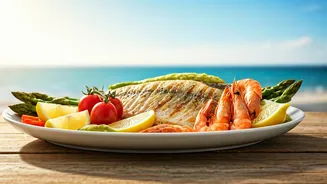
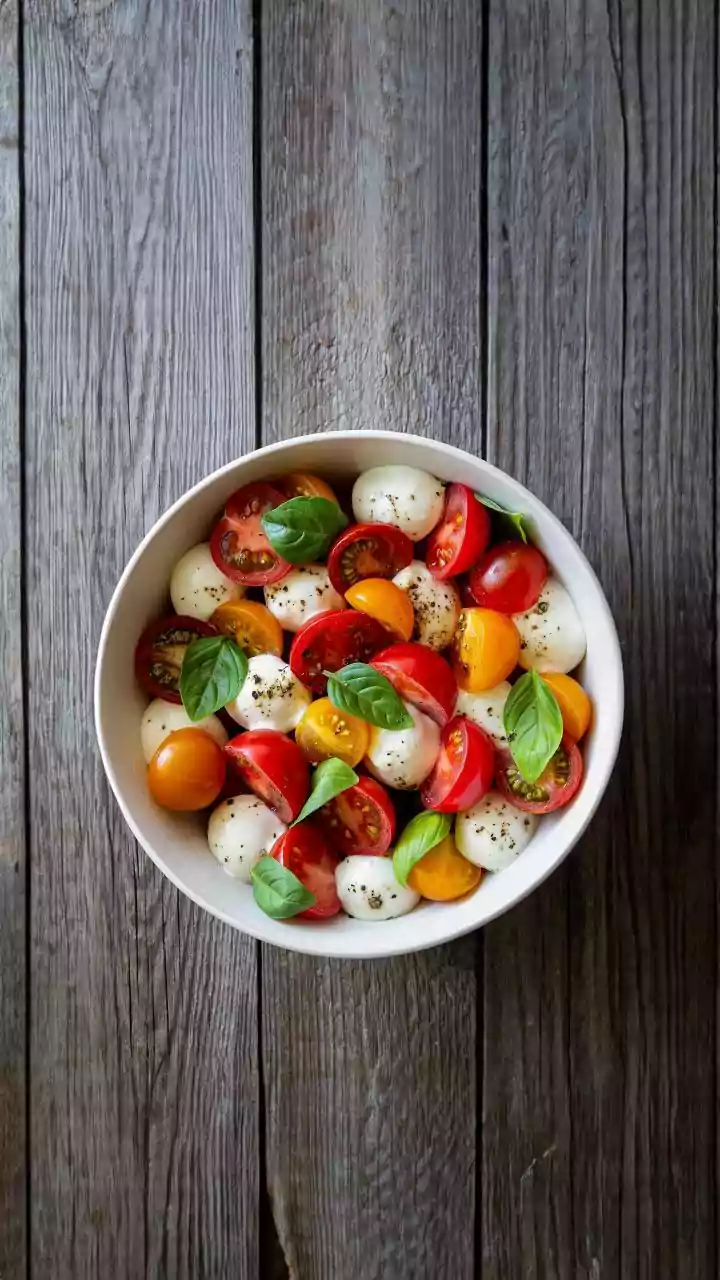
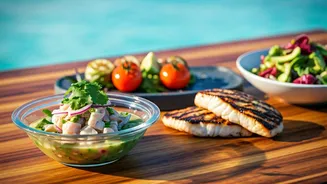
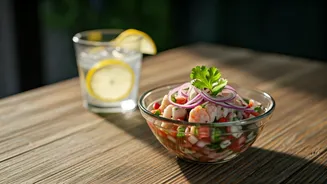
While seafood is the most literal interpretation of coastal eating, it doesn't have to be a big production. High-quality canned fish is your best friend. A good can of oil-packed tuna or salmon, flaked with a fork and mixed with olive oil, lemon juice, capers, and fresh parsley, is worlds away from the mayo-drenched mush of your childhood. Spoon it onto good, crusty bread or mix it with greens and white beans for a substantial salad. A simple shrimp salad, with cooked shrimp tossed with avocado, cilantro, and lime, is a five-minute triumph. And if fish isn't your thing? No problem. The goal is lightness. Think of a Caprese salad with ripe tomatoes, fresh mozzarella, and basil—pure Italian coast energy, no fish required.
Let Fresh Vegetables Be the Star
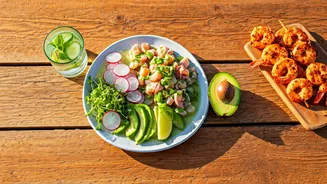
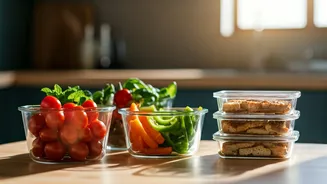
Summer produce is a gift. Don't ruin it by overthinking it. Coastal lunches often celebrate raw or barely-cooked vegetables. A handful of sweet cherry tomatoes, a few crunchy radishes, and a sliced-up cucumber with a sprinkle of flaky sea salt is a perfect, hydrating side. Try a shaved fennel salad, thinly sliced with a vegetable peeler and tossed with orange segments and olive oil. Instead of a traditional leaf-based salad, build a plate around a star vegetable: blanched green beans with a mustardy vinaigrette, grilled zucchini planks drizzled with mint and feta, or a simple pile of sliced heirloom tomatoes when they are at their absolute peak. It’s less about a complicated recipe and more about sourcing the best, most flavorful produce you can find and letting it shine.
Rethink the Lunch Sandwich
The sandwich is a lunch classic for a reason, but it can easily become a dense, soggy affair. Give it a coastal makeover. The French pan bagnat is a perfect example—essentially a Niçoise salad on a bun, where the bread soaks up the vinaigrette and becomes part of the flavor. Or take inspiration from a New England lobster roll and fill a soft bun with a simple shrimp or chickpea salad. An open-faced sandwich on sturdy sourdough, topped with mashed avocado, smoked salmon, dill, and a squeeze of lemon, is both elegant and satisfying. The key is to shift the focus from heavy deli meats and cheeses to brighter, fresher fillings and better bread.