



The Flower of the Gods
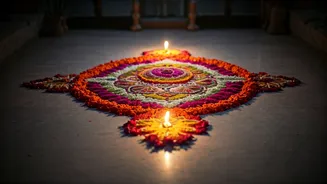
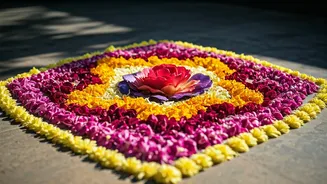
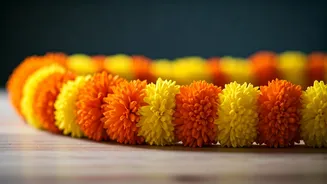
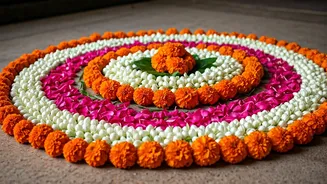
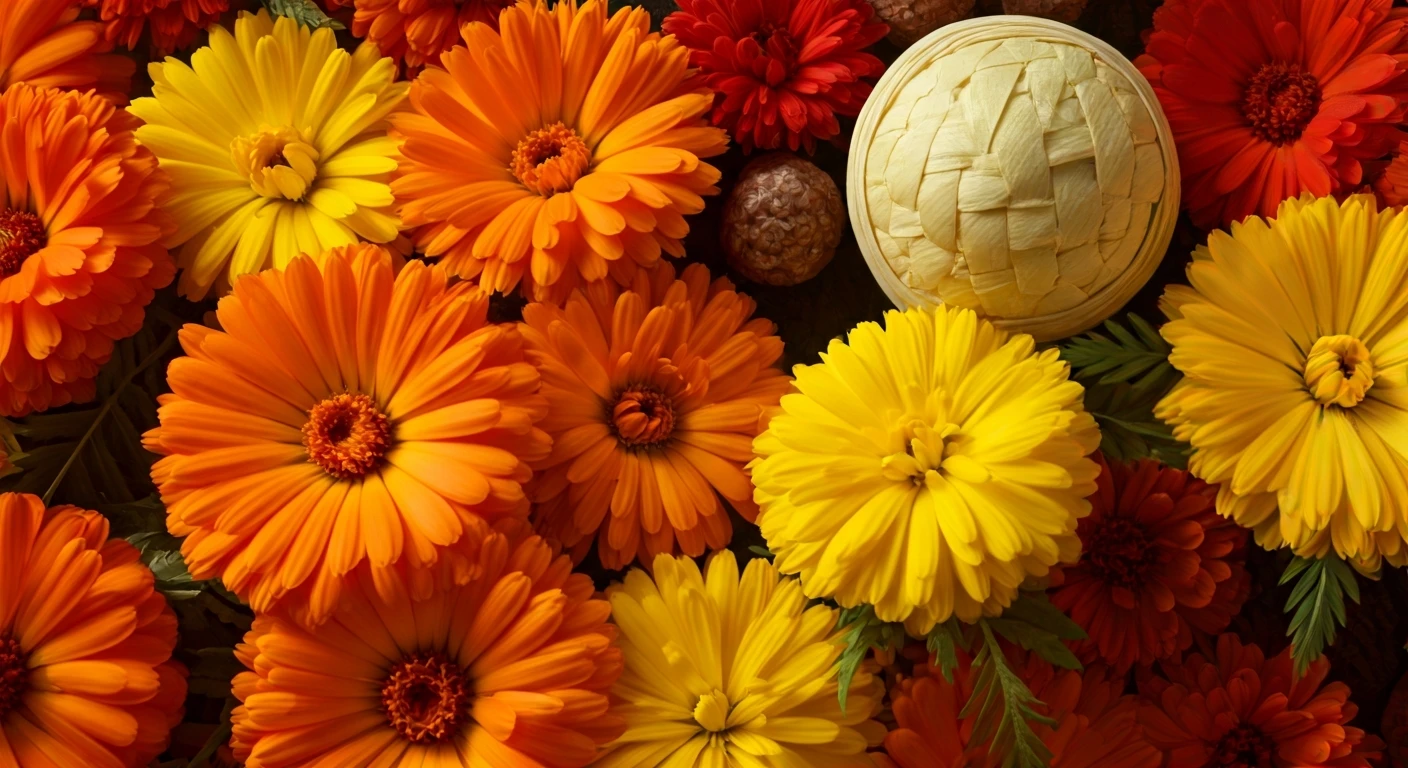
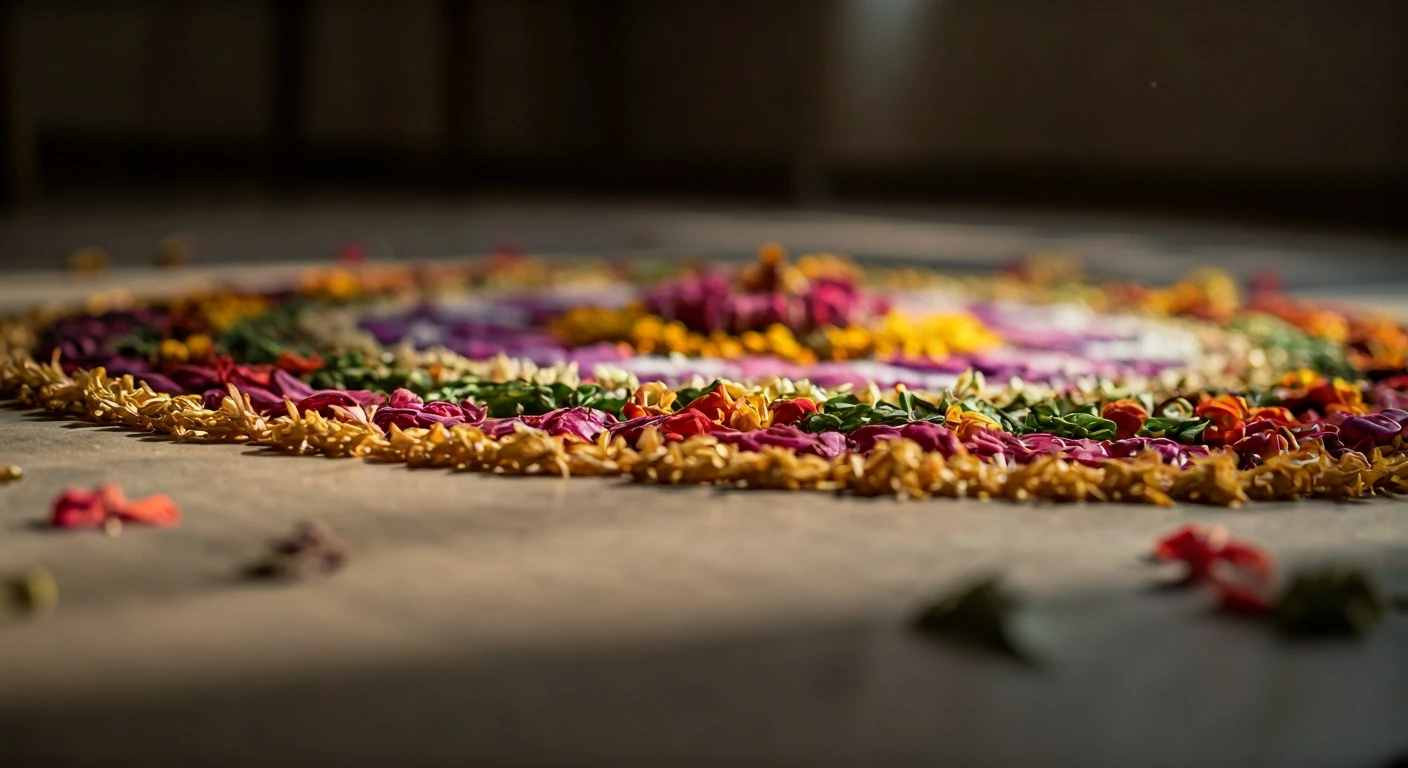
In Hindu culture, the marigold, or *genda phool*, is far more than just a pretty flower. Its vibrant orange and yellow hues are considered auspicious, symbolizing the sun, brightness, and positive energy. Marigolds are woven into long, fragrant garlands
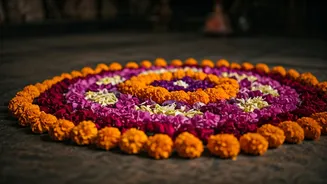
offered to deities in temples, draped over wedding canopies, and scattered during festivals like Diwali. They are an integral part of prayer, celebration, and life's most sacred moments. Every day, millions of these blossoms are presented as offerings at temples across India and in Hindu communities worldwide. This act of devotion, however, creates an unintended consequence: a mountain of floral waste that often ends up in rivers or landfills.
From Sacred Offering to Sustainable Art
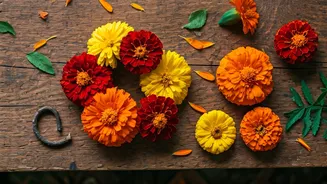
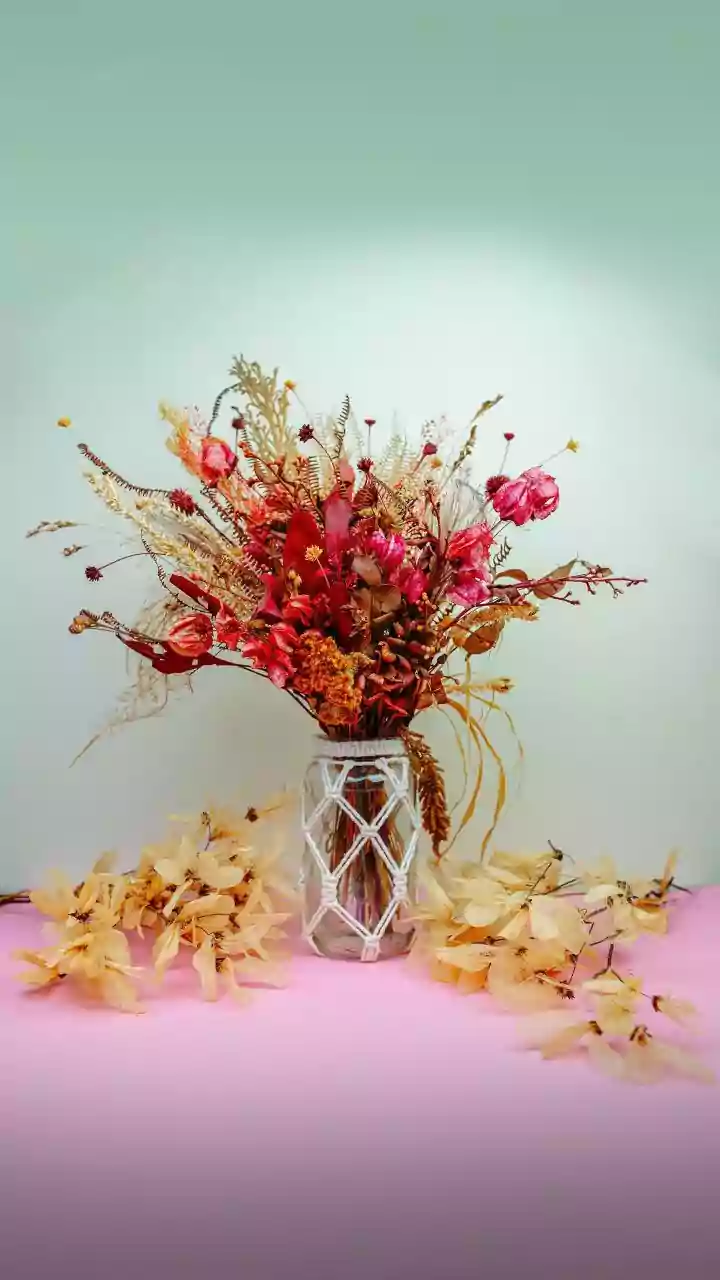
This is where the concept of upcycling enters the picture. Instead of letting these culturally significant flowers go to waste, a growing movement is giving them a second life. Innovators and artisans collect discarded temple marigolds and transform them into everything from natural fabric dyes and fragrant incense to biodegradable packaging. The floral arrangement workshop is a particularly hands-on extension of this ethos. It’s an opportunity for individuals to directly participate in this cycle of renewal. By learning to create arrangements with these upcycled flowers, participants connect with a powerful story of resourcefulness and respect. The beauty of the final product isn't just in its aesthetic appeal, but in its journey from a sacred offering to a sustainable piece of home decor.
Inside the Workshop Experience
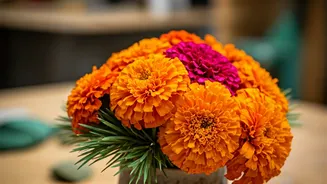
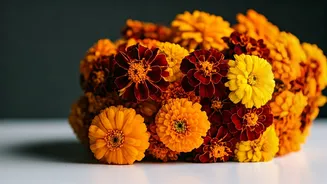
So, what can you expect from a temple marigold workshop? While the specifics vary, the core experience blends craft, mindfulness, and education. You’ll typically begin by learning about the significance of the marigold and the environmental impact of floral waste. Then comes the hands-on part. Instructors guide you through the process of working with flowers that may be slightly imperfect but are rich with character. Unlike pristine, store-bought stems, these blossoms have a history. You might learn techniques for creating lush, low-profile arrangements in traditional vessels, weaving garlands, or crafting modern centerpieces that highlight the marigolds' vibrant color. The focus is less on rigid, formal floristry and more on intuitive, organic design that honors the material's origin. It’s a meditative process that encourages you to find beauty in imperfection and create something new from something cherished.
Bring the Ethos Home
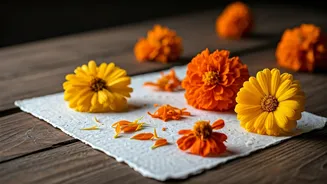
You don't need access to a specific temple flower workshop to embrace this sustainable mindset. The principles can be applied to your own life and home. The next time you host an event or buy flowers, think about their second life. Can you dry the petals for potpourri? Can you press the blooms to create art? This practice encourages a shift in perspective, urging us to see potential where we once saw waste. You can also support brands that are part of this circular economy. Look for companies that create products from upcycled floral materials. By making conscious choices, you can infuse your home with decor that is not only beautiful but also meaningful, turning everyday objects into conversations about sustainability, culture, and the art of renewal.