


Plants: The Living Green Heartbeat
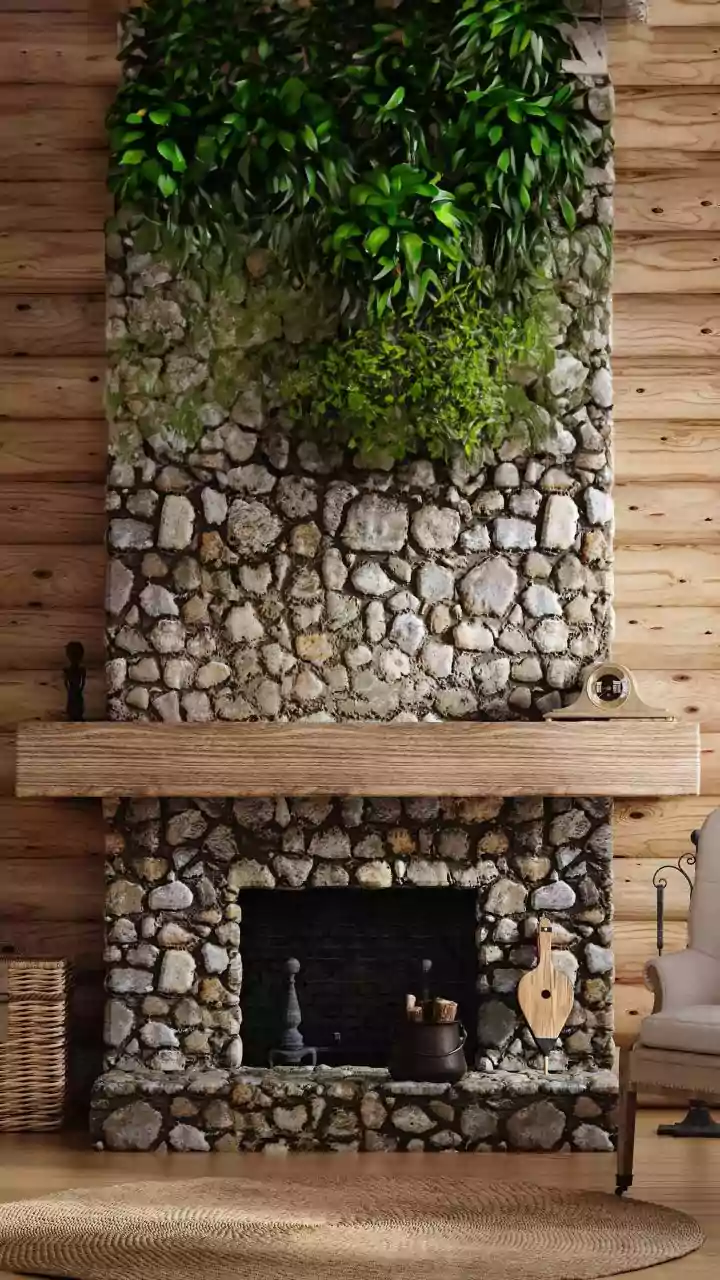
More than just a decorative flourish, houseplants are the cornerstone of a calm interior. This concept, known as biophilic design, is rooted in our innate human need to connect with nature. Introducing greenery into your space does more than just add
a splash of color; it actively improves your environment. Studies have shown that indoor plants can help reduce stress, increase focus, and even purify the air by absorbing toxins. They are, quite literally, a breath of fresh air.
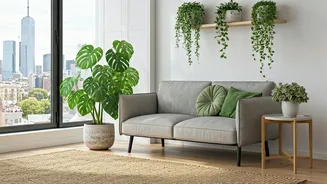
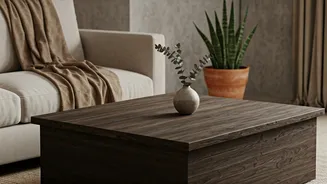
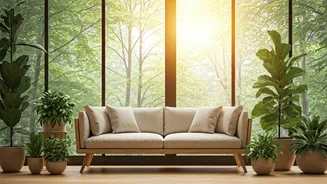
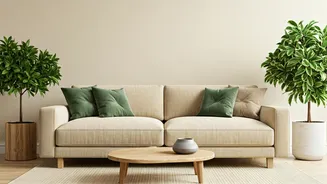
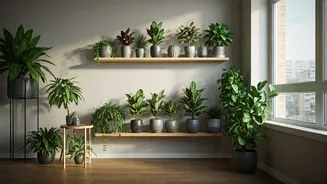
To get started, you don’t need a jungle. A few strategically placed plants can make a world of difference. Consider a tall fiddle-leaf fig to create a dramatic focal point in a living room corner, or a trailing pothos cascading from a bookshelf to add a sense of gentle movement. For beginners, snake plants and ZZ plants are famously low-maintenance and thrive on neglect. Grouping smaller plants of varying heights and textures on a side table can create a lush, miniature landscape. The key is to treat them as living sculptures that breathe life and tranquility into every room.
Bamboo: The Light and Sustainable Structure
Bamboo is a design powerhouse that marries strength with an airy, minimalist aesthetic. As one of the fastest-growing plants on Earth, it’s a highly sustainable choice for the eco-conscious decorator. Unlike heavy, dark woods that can feel imposing, bamboo has a lightness that opens up a room. Its natural, honey-toned color palette brings warmth without overwhelming the senses, making it a perfect fit for a serene atmosphere.
Its versatility is where bamboo truly shines. Think beyond flooring and window blinds. A bamboo ladder can be used as a stylish and informal rack for blankets in the bedroom. Bamboo-framed mirrors add a touch of organic modernism to a hallway or bathroom. Even small accents, like bamboo trays for organizing countertops or light pendants that cast a warm, patterned glow, can introduce this calming element. The clean lines and unpretentious nature of bamboo help reduce visual clutter, promoting a sense of order and peace.
Jute: The Grounding, Textural Foundation
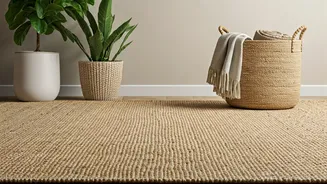
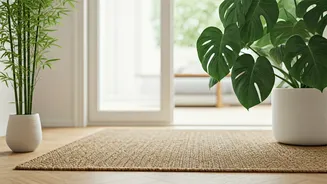
If plants are the life and bamboo is the structure, jute provides the soul. This natural fiber, derived from the jute plant, is all about texture and warmth. It’s the element that grounds a space, making it feel lived-in, cozy, and inviting. The thick, woven texture of a jute rug underfoot provides a subtle, tactile connection to the earth, a sensory experience that is inherently calming in our digitally-saturated lives.
Jute’s earthy, neutral tones make it the perfect foundation for any room. A large jute rug in a living room or bedroom can define the space and tie all the other elements together. It pairs beautifully with both modern and traditional furniture, adding a layer of rustic sophistication. But its use doesn't stop at the floor. Woven jute baskets are a stylish solution for storage, hiding clutter while adding to the aesthetic. Jute poufs offer casual, flexible seating, while jute wall hangings can introduce a soft, textural element to a blank wall, absorbing sound and adding visual interest without creating noise.
Bringing It All Together
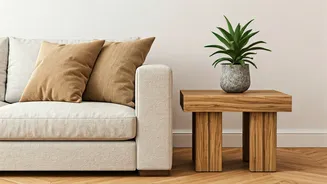
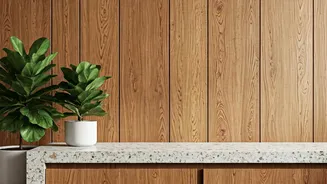
The magic happens when these three elements work in concert. The smooth, clean lines of a bamboo side table are softened by a potted fern placed on top. A room grounded by a large jute rug feels more alive with the addition of several green plants. The common thread is their origin in the natural world. This shared DNA ensures they complement each other effortlessly, creating a cohesive design language that speaks of simplicity, authenticity, and tranquility.
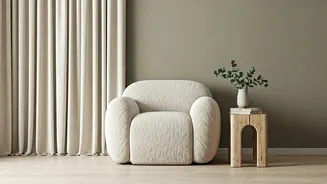
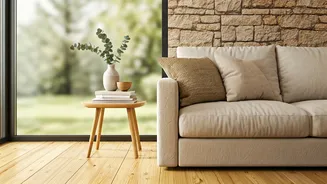
Start by choosing a neutral, light-filled color palette for your walls—think soft whites, warm grays, or pale beiges. This creates a quiet canvas that allows the natural textures and colors of the plants, bamboo, and jute to stand out. The goal isn't to create a perfectly curated showroom, but a comfortable, functional space that feels like a personal retreat.