
From Vending Machine to Tasting Menu
Walk into a chic bakery in Brooklyn or a trendy bistro in Los Angeles, and you might see something familiar: a Pop-Tart. But this isn't the foil-wrapped, shelf-stable rectangle of your youth. This one has a flaky, all-butter crust, is filled with house-made
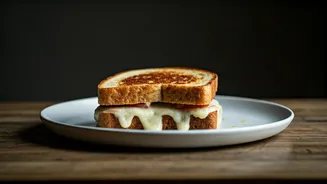
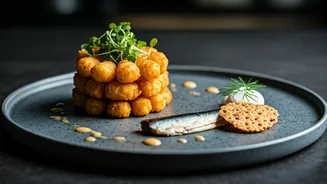
jam from local fruit, and is drizzled with a Valrhona chocolate glaze. The price? Ten dollars. This is the new nostalgia in a nutshell: taking the processed, mass-market foods that defined American childhoods from the '80s and '90s and painstakingly recreating them with artisanal ingredients and culinary technique. We're seeing it everywhere—from deconstructed s'mores on fine dining dessert menus to gourmet grilled cheese sandwiches layered with cave-aged Gruyère and served with a shot of tomato-fennel soup for $25. It's the food equivalent of discovering your favorite cartoon from Saturday mornings has been rebooted as a dark, critically-acclaimed HBO series.
The Comfort Food Industrial Complex
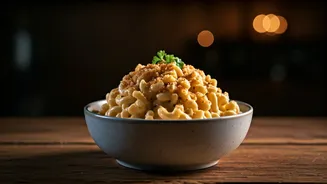
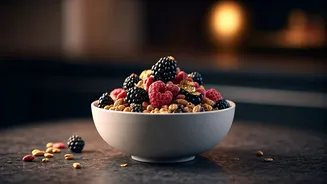
This trend isn't just happening in high-end restaurants. It has trickled down—or perhaps bubbled up—into the consumer market. A stroll through Whole Foods reveals an entire ecosystem built on this principle. You won't find Kraft Macaroni & Cheese, but you will find a dozen brands offering organic pasta shells with aged white cheddar sauce powder. The Lunchable has been replaced by curated bento boxes with uncured salami, artisanal crackers, and wedges of brie. Even gas station staples are getting the treatment, with brands like Magic Spoon and OffLimits creating high-protein, low-sugar versions of sugary cereals that explicitly trade on the visual and emotional cues of classic Froot Loops or Cap'n Crunch. These companies aren't just selling food; they're selling a feeling of permissible indulgence. They offer the comforting flavor profile of childhood without the nutritional guilt—a powerful combination for health-conscious millennials who now have the disposable income to upgrade their pantry.
Why Now? The Psychology of Premium Nostalgia
So, why the sudden craving for bougie junk food? The answer is a mix of psychology, economics, and culture. For one, we live in complicated times. In a world of endless choices and anxieties, the simple, binary flavors of childhood—sweet, salty, cheesy—offer a powerful emotional retreat. Food analysts often link the rise of comfort food to periods of social stress, and the last few years have provided that in spades. Secondly, this is a generational story. Millennials and older Gen Z-ers, who grew up on these snacks, are now the dominant consumer force. They have adult palates and budgets but retain a deep-seated affection for the foods of their youth. Paying a premium for a high-quality version allows them to reconcile their adult identity with their inner child. And let's not forget the visual appeal. A beautifully crafted, gourmet Twinkie is incredibly photogenic, making it perfect content for Instagram and TikTok, which in turn fuels the trend's visibility and desirability.
Is It Worth the Hefty Price Tag?
The inevitable question arises: is a $12 gourmet oatmeal cream pie actually better than the 50-cent original? The answer depends on what you're paying for. If you're judging on pure flavor and ingredient quality, the answer is almost certainly yes. The butter is real, the chocolate has a complex flavor profile, and the preservatives are gone. But the experience is different. The cheap, slightly artificial taste of the original is, for many, part of its nostalgic charm. The premium version satisfies the palate, but the mass-produced original speaks directly to a specific memory. Ultimately, consumers aren't just paying for better ingredients. They are paying for craft, for the labor of a chef who spent hours perfecting a recipe, and for the social currency of participating in a modern food trend. It’s less about replacing the original and more about creating a parallel experience—one that honors the memory while satisfying a grown-up standard.