




Welcome to the 'Middle Land'
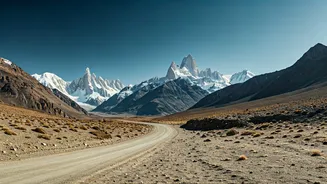
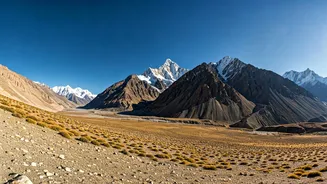
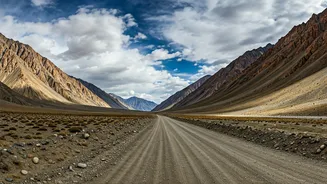
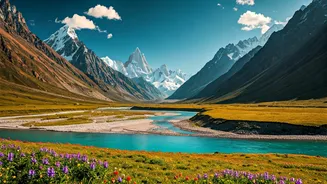
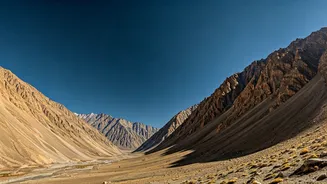
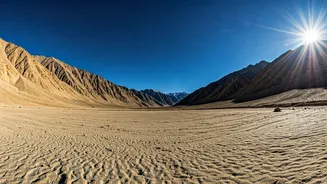
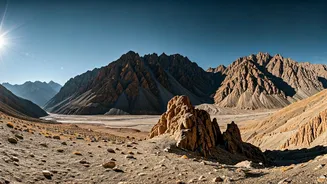
Tucked away in the Indian Himalayas, bordering Tibet, is the Spiti Valley. Its name translates to the 'Middle Land,' and for centuries, it has existed as a world apart. This is not a landscape of lush, green hills. Spiti is a cold desert, a geological
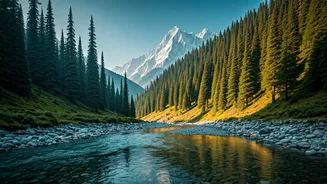
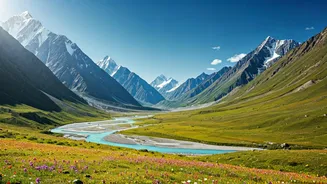
masterpiece of barren mountains, deep gorges carved by turquoise rivers, and a sky so clear and vast it feels spiritual. The scenery is often compared to the lunar surface or the landscapes of Mars—a dramatic, raw, and profoundly quiet beauty that feels both ancient and otherworldly. Dotted with some of the oldest continuously operating Buddhist monasteries in the world, villages here are perched at altitudes where most of us only ever experience from a pressurized airplane cabin.
Why June is the Magic Month
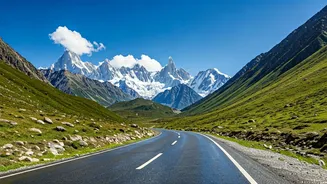
For most of the year, Spiti is locked away from the outside world by immense snowfall that buries the high-altitude mountain passes. But in June, the magic happens. The sun’s warmth finally melts the ice on the two main arteries into the valley: the Rohtang Pass and the Kunzum Pass. This brief, perfect window opens the popular road circuit from Manali, making the full Spiti loop possible. June offers the best of all worlds: the roads are clear of snow, but the full force of the summer monsoon, which can cause landslides on the approach roads from July onwards, has not yet arrived. The weather is crisp and sunny, the rivers are swollen with glacial melt, and the stark, brown-and-grey landscape stands in dramatic contrast to the brilliant blue sky. It’s the Goldilocks season for this high-altitude adventure.
Monasteries, Mummies, and Mail
The 'dry drama' of Spiti isn’t just in its landscapes; it’s in the human stories etched into them. The top attraction is the iconic Key Monastery, a staggering complex of rooms and temples that seems to grow organically out of a conical hill, looking more like a fortress from a fantasy novel than a place of worship. Further on, the Tabo Monastery, a UNESCO World Heritage site, houses breathtaking murals that have earned it the title 'Ajanta of the Himalayas.' But the valley’s quirks are just as compelling. You can visit the village of Giu to see a 500-year-old self-preserved mummy of a Buddhist monk. In the village of Hikkim, you can send a postcard from the highest post office in the world, and in nearby Komic, you can have a cup of tea in one of the highest villages on earth connected by a motorable road. Every stop is a story.
Planning Your High-Altitude Drive
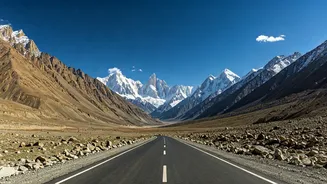
Spiti is an adventure, not a vacation. The journey is the destination, and it demands respect. The most crucial factor to consider is altitude sickness. With elevations consistently above 10,000 feet, acclimatization is non-negotiable. Many travelers opt for the longer route starting from Shimla, which allows for a more gradual ascent compared to the abrupt climb from Manali. The most common way to travel is by hiring a private 4x4 with an experienced local driver who knows every treacherous curve and loose patch of gravel. Accommodations are not five-star resorts but charming guesthouses and family-run homestays that offer an invaluable, authentic connection to Spitian culture. A warm welcome and a home-cooked meal in a remote village is a luxury no hotel can match.