



Decoding the Food Calendar
So, what exactly is 'farm-season literacy'? It’s the simple understanding of when different fruits and vegetables naturally reach their peak harvest time in your region. Think of it like this: a tomato in July has had a pretty easy life. It grew in a nearby
field, soaked up the sun, and didn't have to travel far to get to your store. But a tomato in January? That's a different story. It was likely grown in a greenhouse thousands of miles away, picked while still hard and green, and flown or trucked across the country. All that extra effort—the fuel, the climate-controlled storage, the complex logistics—gets baked into the price. When produce is 'in season,' supply is abundant and costs are low. When it's 'out of season,' supply is scarce and costs are high. By learning to read this invisible food calendar, you're essentially timing the market in your favor.
The Triple Win of Seasonal Shopping
The financial benefit is just the beginning. Aligning your shopping with the seasons creates a trifecta of wins. First, there's the flavor. Produce that is picked at its peak and travels a shorter distance simply tastes better. A sun-ripened summer peach is a world away from its pale, mealy winter counterpart. The sweetness, texture, and aroma are on a completely different level. Second, there's the nutritional value. Studies have shown that fruits and vegetables can lose nutrients over time as they sit in storage and transit. By eating what's fresh and local, you're getting a more nutrient-dense product. You’re getting the food as nature intended. It's a win for your wallet, a win for your taste buds, and a win for your health. It transforms grocery shopping from a chore into a rewarding treasure hunt.
Your Seasonal Starter Kit
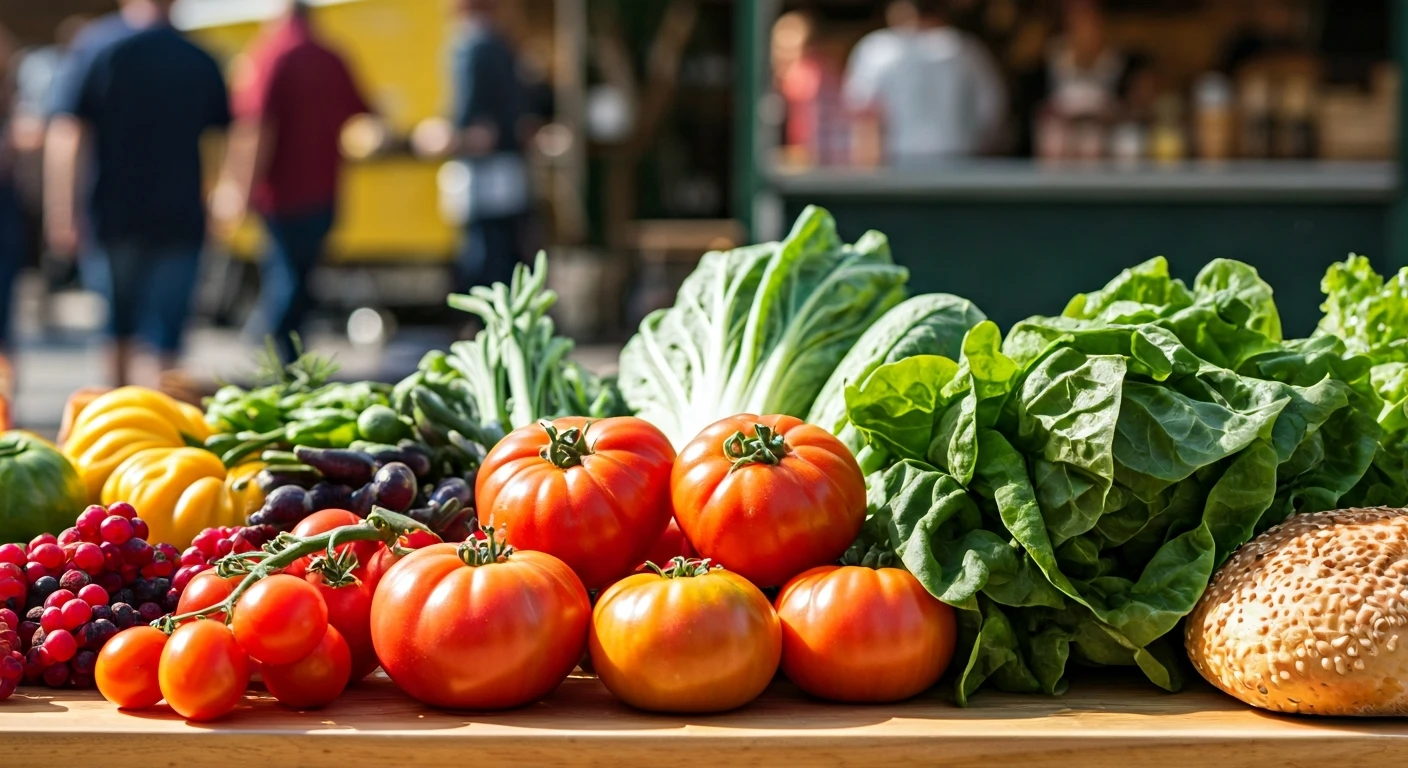
You don't need an almanac or a degree in horticulture to get started. Just begin to notice the patterns at your local store or farmers' market. The front-of-store displays and big sale signs are your first clue—grocers heavily promote what they have in abundance. Here’s a basic cheat sheet:
- **Spring (March-May):** Look for delicate, fresh flavors. This is the time for asparagus, artichokes, peas, radishes, and tender greens like spinach and arugula. Strawberries also start to appear in warmer regions.
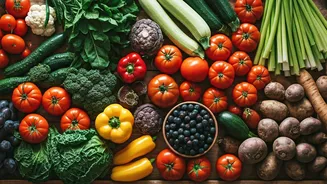
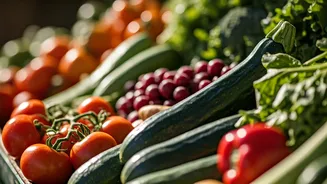
- **Summer (June-August):** This is the season of bounty. Everything seems to be available. Think berries of all kinds, stone fruit (peaches, plums, nectarines), melons, tomatoes, corn, zucchini, and bell peppers. Prices for these items will plummet.
- **Fall (September-November):** The harvest season brings heartier produce. This is peak time for apples, pears, grapes, and a huge variety of squash (butternut, acorn, delicata). It’s also prime for root vegetables like sweet potatoes and carrots.
- **Winter (December-February):** Don't despair! Winter is the star season for citrus fruits like oranges, grapefruit, and lemons, which are being harvested in warm states like Florida and California. It’s also great for hardy greens like kale and collards, as well as 'storage' crops like potatoes, onions, and cabbage.
Next-Level Seasonal Strategies
Once you’ve got the basics down, you can level up your savings. If you see a fantastic deal on summer berries or tomatoes, buy in bulk. Spend an afternoon turning them into jam, sauce, or simply freezing them on a baking sheet. You'll be thanking yourself in February when you can pull out the taste of summer for a fraction of the out-of-season cost. Visiting a farmers' market? Go near the end of the day. Vendors are often willing to cut deals on their remaining produce rather than pack it all up. Finally, don't dismiss the freezer aisle entirely. Frozen fruits and vegetables are typically picked and flash-frozen at peak ripeness, locking in nutrients. For items you love year-round, frozen can be an excellent, budget-conscious alternative to pricey, out-of-season fresh options.