





The New Travel Calculus
What’s driving this shift? It’s a mix of burnout and aspiration. In an era of decision fatigue, the idea of a vacation where every need is anticipated within a single, beautiful ecosystem is deeply appealing. After years of chasing packed itineraries
and fighting crowds at famous landmarks—a phenomenon often dubbed ‘overtourism’—many are seeking something more restorative. Instead of a checklist of sights, they want a singular, immersive experience. The hotel is no longer just a basecamp for exploring a city; it’s the entire expedition. This approach trades the stress of logistics for the luxury of presence. It’s a vote for depth over breadth, choosing to fully inhabit one spectacular place rather than skimming the surface of many.
The Self-Contained Sanctuary
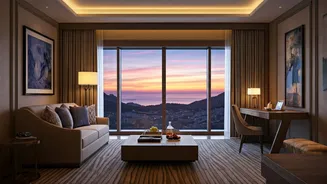
The most obvious example of this trend is the rise of the ‘destination resort,’ but with a modern twist. These aren't just your standard all-inclusives. Think of a remote wellness retreat in the Catskills where the daily schedule revolves around forest bathing, yoga, and farm-to-table meals sourced from on-site gardens. Or consider the sprawling, high-design desert lodges in Utah or Arizona, where the architecture is as breathtaking as the landscape, and activities like stargazing, guided hikes, and spa treatments are designed to keep you happily on-property for your entire stay. The appeal is total immersion. By removing the pressure to ‘go see things,’ these hotels give travelers permission to simply be, offering a self-contained world that’s more than enough to fill a vacation.
The Urban Oasis as the Main Event
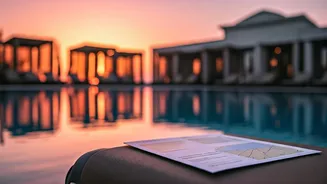
This isn’t just a rural phenomenon. In major cities from New York to Los Angeles, a new breed of hotel is becoming a primary draw, competing directly with the city itself for a traveler’s time and attention. These properties are cultural and social hubs in their own right. They boast Michelin-starred restaurants, destination bars with cult followings, private art galleries, members-only social clubs, and performance spaces that host intimate concerts. A guest might check in for a weekend and find their itinerary filled without ever leaving the building: a cooking class in the afternoon, a live jazz set at night, and a rooftop pool with skyline views for the next day. These hotels understand that for many modern travelers, the best of the city can be curated for them under one roof.
Architecture and History You Can Sleep In
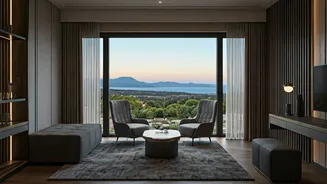
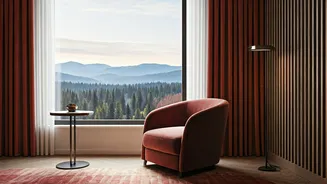
Finally, there are the hotels where the building itself is the masterpiece. These are the converted castles in the Irish countryside, the restored art deco landmarks in Miami Beach, or the futuristic eco-pods suspended in a Scandinavian forest. People travel to these places not just for the service or amenities, but for the chance to inhabit a piece of history, design, or architectural innovation. Staying there is the activity. You wander the halls of a 15th-century monastery, marvel at the preserved details of a Gilded Age mansion, or simply stare out the floor-to-ceiling window of a cabin designed by a world-famous architect. In these cases, the hotel isn't just part of the trip; it’s the reason for it—a living museum or a work of art that you get to call home for a few nights.