





The King of Fruits Reigns Supreme
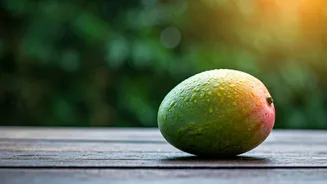
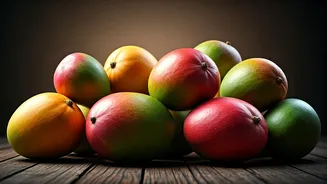
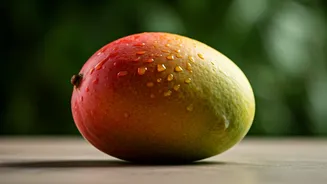
In the United States, a mango is often just a mango. It’s a reddish-green fruit, usually the Tommy Atkins variety, chosen for its ability to withstand a long journey, not for its transcendent flavor. In India, it’s a different universe entirely. The mango is not just a fruit;
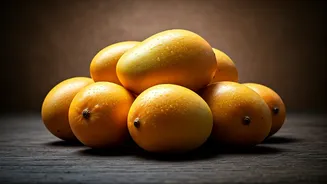
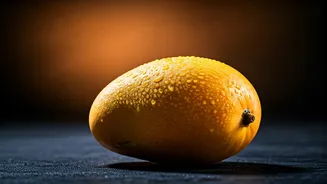
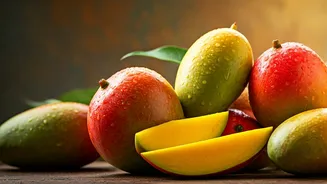
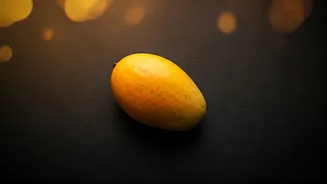
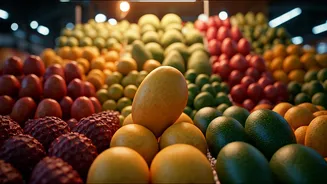
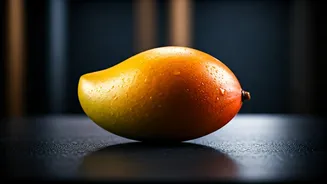
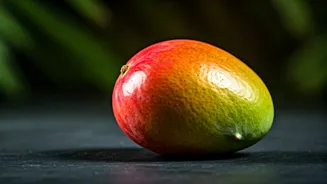
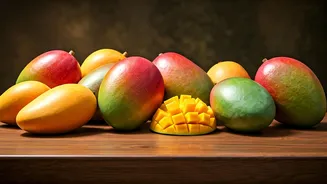
it’s the ‘King of Fruits,’ an annual obsession, and a deep-seated part of the cultural fabric. Summer’s arrival is heralded by the appearance of hundreds of mango varieties, each with its own fiercely loyal fan base. The most famous is the Alphonso, or ‘Hapus.’ Grown primarily on the western coast, it’s a small, saffron-hued marvel with a creamy, non-fibrous texture and a complex flavor that combines notes of honey, citrus, and peach. Then there’s the Kesar from Gujarat, known for its intense sweetness and vibrant orange pulp, earning it the nickname ‘Queen of Mangoes.’ These aren’t just snacks; they are experiences, woven into childhood memories, family gatherings, and gift-giving traditions.
America's Forbidden Fruit
So if these mangoes are so legendary, why haven’t most Americans ever tasted one? For decades, they were effectively forbidden fruit. In 1989, the U.S. Department of Agriculture (USDA) banned the import of Indian mangoes over concerns about fruit flies and other pests. For Indian diaspora communities in the U.S., this was a source of great lament, sparking a black market for smuggled fruit and a cottage industry of mango-flavored products that never quite matched the real thing. The ban created a mystique around Indian mangoes, elevating them from a simple commodity to a coveted, almost mythical prize. Getting them into the U.S. became a long-running diplomatic and agricultural challenge. It wasn’t a matter of simply wanting to sell more fruit; it was about sharing a piece of national identity that had been locked out.
The Science of the Sweet Spot
The breakthrough came in 2007, but the process remained daunting. To satisfy USDA requirements, the mangoes had to undergo irradiation—a process of exposing them to ionizing radiation to kill any pests. This required India to build and certify specialized irradiation facilities. For years, the logistics were a major bottleneck. A U.S. inspector had to be physically present in India to oversee the process, limiting the export window and adding significant cost. However, a recent agreement has streamlined this, allowing India to handle the pre-clearance process itself. This, combined with a surge in demand and improved supply chains, has opened the floodgates. Now, instead of a few precious pallets, India is air-freighting tons of its best mangoes directly to American cities, ensuring they arrive fresh, fragrant, and ready to demonstrate what all the fuss is about.
Gastro-Diplomacy in Action
This is where the “flex” comes in. Exporting mangoes isn’t just about trade revenue for India; it's a form of soft power, often called “gastro-diplomacy.” By sending its most beloved fruit abroad, India is exporting a story. It's a story about its rich agricultural heritage, its modernizing supply chains, and its ability to meet the world’s most stringent quality standards. When a U.S. consumer pays a premium—often $40-60 a box—for a dozen Alphonso mangoes, they are buying into that story. It’s a subtle but effective way for India to build its national brand. Just as Japan has its sushi and France has its wine, India is positioning its mangoes as a unique, high-value cultural export. This move signals a new confidence on the global stage, showcasing that the country can compete not just in tech and pharmaceuticals, but in the realm of luxury food as well.