







More Than a Workout, It's a Vibe
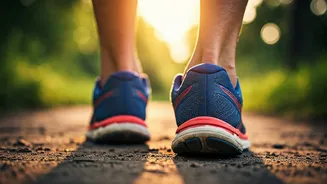
Imagine this: hundreds of people gather at dawn, not for a grueling race, but for a collective experience. The air buzzes with energy as a portable speaker blasts Bollywood and hip-hop tracks. The run begins, but at a “conversational pace,” allowing strangers
to become friends over a few kilometers. There are no timing chips, no finish-line medals for speed. Instead, the real main event happens after the run: a spontaneous dance party, a group cool-down session with shared laughter, or simply a massive gathering for post-run chai and conversation. This is the essence of India’s community running movement. Groups like Mumbai’s Sunday Run Club, Delhi’s Da-Bangg Runners, and countless others across the country have reframed running from a solitary pursuit of athletic achievement into a vibrant social gathering. The focus is explicitly on the “vibe.” It’s about showing up, moving your body, meeting new people, and feeling a sense of belonging in cities that can often feel isolating.
The Post-Pandemic Social Boom
While running clubs are nothing new, this particular iteration exploded in the wake of the COVID-19 pandemic. After years of lockdowns and social isolation, a generation of young, urban Indians was starved for connection. The digital fatigue was real. These community runs offered a perfect antidote: an open-air, low-cost, and genuinely fun way to rebuild social muscles and combat loneliness. The organizers are often not fitness professionals but regular people who started a group on a whim. They leverage the power of social media, primarily Instagram and WhatsApp, to announce meet-up points and times. The barrier to entry is intentionally low. There are no membership fees, no intimidating sign-up processes, and no expectations of fitness levels. The message is simple and powerful: just show up. This accessibility has been crucial to its rapid growth, attracting everyone from seasoned runners to first-timers who haven't laced up sneakers in years.
A Contrast to Western Fitness Culture
For an American audience accustomed to a different kind of fitness culture, the Indian community run phenomenon offers a fascinating contrast. In the U.S., wellness is often a highly individualistic, goal-oriented, and commercialized pursuit. It’s about tracking metrics on your Apple Watch, optimizing your performance with expensive gear, and following a regimented plan, often alone on a treadmill or a Peloton bike. India’s running clubs are a gentle rebellion against that ethos. They de-emphasize data and performance in favor of presence and participation. The “win” isn’t a faster mile time; it’s making a new friend or feeling the collective euphoria of dancing in a sweaty, happy crowd as the sun comes up. It suggests that perhaps the most important wellness metric isn't heart rate variability, but the number of smiles shared. It’s a shift from fitness as self-optimization to fitness as social nourishment.
From Mumbai to the Masses
What started in major metropolitan hubs like Mumbai and Delhi has quickly spread to other cities like Bengaluru, Pune, and Chennai. Each group develops its own unique flavor, but the core principles remain the same: inclusivity, fun, and community. Some groups incorporate clean-up drives into their runs, combining fitness with civic responsibility. Others end their runs at local eateries, supporting small businesses and extending the social hour. This organic, grassroots expansion highlights a deep-seated need that transcends geography. It’s a testament to the power of simple, shared experiences. In an increasingly complex and digitized world, the appeal of something as straightforward as running together—and finding joy in the process—is universal. These groups aren't just creating runners; they're building communities, one stride at a time.