





Minute 1: The Wiper Blade Fitness Test
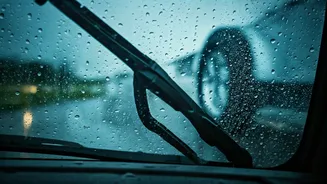
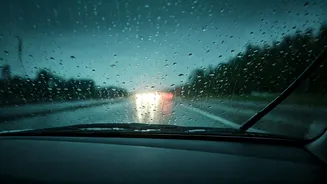
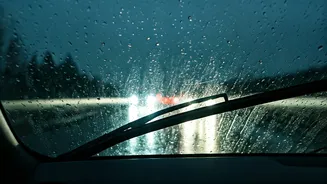
Don't just glance at your wiper blades; give them a real test. Monsoon rain isn't a gentle drizzle; it's a wall of water that can blind you in seconds. Lift the blades off the windshield and run your finger along the rubber edge. Is it smooth and pliable,
or is it cracked, hard, or brittle? Any nicks or tears will leave streaks, creating a dangerous glare. Activate your washer fluid. Do the wipers clear the windshield cleanly in a single swipe, or do they shudder, skip, or leave behind a blurry mess? If they fail this simple test, replace them. It’s one of the cheapest and most critical pieces of safety equipment you can buy.
Minute 2: The Tire Tread Penny Test
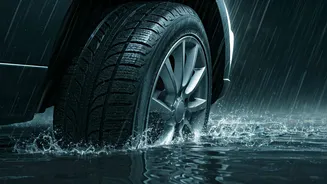
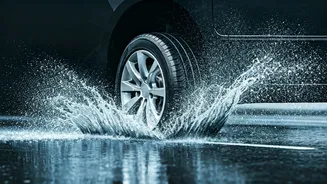
Your tires are your only connection to the road, and when that road is suddenly slick with rain and oil, grip is everything. Hydroplaning—where your tires skim across a layer of water instead of gripping the pavement—can happen at speeds as low as 35 mph with worn tires. You don't need a special gauge for a quick check. Grab a penny and place it with Lincoln's head upside down in several tread grooves across each tire. If you can see the top of Abe's head, your tread is too worn to effectively channel water away. Your tires are below the safe minimum of 2/32 of an inch and it's time for a new set before you find yourself sliding through an intersection.
Minute 3: A Full Illumination Check
In a heavy downpour or the dust storms (haboobs) that often precede a monsoon, being seen is just as important as seeing. Turn on your car and walk around it. Check your headlights (both low and high beams), taillights, brake lights, and turn signals. Have a friend or family member step on the brake pedal while you check from behind. A single burnt-out bulb can drastically reduce other drivers' ability to see you slow down or stop, a critical failure in low-visibility conditions. Most state laws require headlights to be on during rain, so make sure yours are ready for duty.
Minute 4: Windshield and Fluid Levels
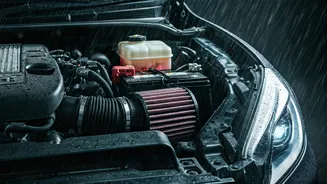
Monsoon rains don't fall on clean streets. The first storm of the season kicks up months of accumulated dust, dirt, and oily residue, splattering it all over your windshield as a muddy paste. Your wipers can't do their job without ample washer fluid to help cut through the grime. Pop the hood and locate the washer fluid reservoir—it’s usually a white or translucent container with a windshield/water symbol on the cap. Is it full? If not, top it off. A full reservoir can feel like a lifesaver when you’re hit with a sudden spray of road mud from a passing truck.
Minute 5: The Battery Terminal Glance
The extreme heat that precedes monsoon season is brutal on car batteries. Heat causes battery fluid to evaporate, which can lead to corrosion and damage. A battery that was working fine yesterday can easily fail without warning. You don't need to be a mechanic for this check. Just look at the battery terminals, where the cables connect. Do you see a fuzzy, crusty buildup (often white or blue-green)? That's corrosion, and it can prevent your car from starting. While cleaning it is a more involved job, simply identifying its presence is a crucial warning sign that your battery may be on its last legs.
Minute 6: A Quick Brake Check
You don’t need to jack up the car for this. This check is about feel and sound. The next time you get in your car to go somewhere, turn off the radio. As you pull away, listen carefully as you apply the brakes. Do you hear any high-pitched squealing, grinding, or scraping? When you press the pedal, does it feel firm and responsive, or does it feel spongy, soft, or sink too far toward the floor? Wet roads increase your stopping distance, so your brakes need to be in top condition. Any unusual sounds or feelings warrant an immediate professional inspection.
Minute 7: The Emergency Kit Audit
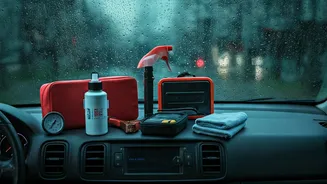
The final minute isn't for the car itself, but for what's inside it. A flash flood can turn a short drive into a long, stranded wait. Is your emergency kit ready? Confirm you have a phone charger or power bank, a small flashlight with fresh batteries, a few bottles of water, and some non-perishable snacks. A first-aid kit and a poncho are also smart additions. These items won't prevent an incident, but they can make a frightening and uncomfortable situation much more manageable while you wait for conditions to improve or for help to arrive.