



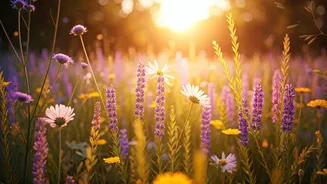


The Reward for Braving the Rain
Trekking during a region’s wet season—America’s own version of a “monsoon”—sounds like a recipe for discomfort. We’re conditioned to seek out sunny, bluebird days for our adventures. We check the forecast for any hint of precipitation, often postponing
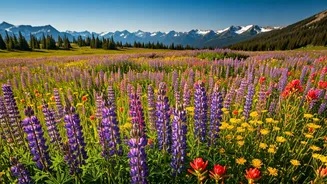
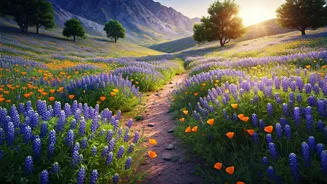
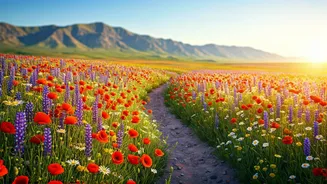
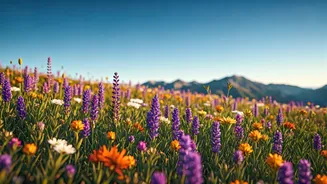
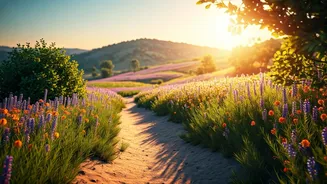
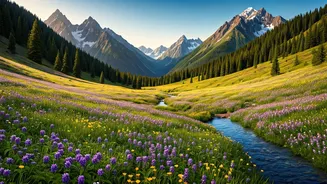
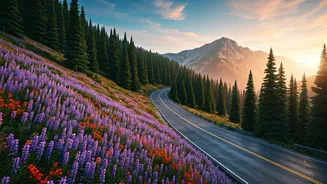
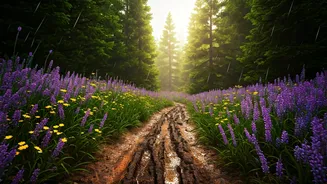
plans until perfect conditions align. But to do so is to miss one of nature’s most profound and fleeting spectacles: the bloom that follows the downpour. There’s a unique magic to a trail that is both challenging and beautiful. The mud that tries to steal your boot, the slick rocks that demand your full attention, and the persistent drizzle that clings to your eyelashes all serve to heighten the reward. When you round a corner and the trailside explodes in a carpet of purple lupine, scarlet paintbrush, and sunny balsamroot, the feeling is more than just appreciation. It’s a deep, earned gratitude. The flowers aren’t just there; they feel like a gift, a soft and vibrant counterpoint to the ruggedness of the journey.
Where Water Meets Wildflower
While the U.S. doesn’t have a classic monsoon in the Southeast Asian sense, it has numerous regions where a wet season gives way to breathtaking floral displays. In the Pacific Northwest, the legendary spring and early summer rains saturate the volcanic soil of the Cascades. On the trails of Mount Rainier National Park, the fog often parts to reveal entire meadows painted with avalanche lilies and magenta paintbrush, a phenomenon locals call the “fifth season.” Further inland, the Rocky Mountains of Colorado experience a summer “monsoon” pattern, with afternoon thunderstorms soaking the high-altitude basins. In places like Crested Butte, the self-proclaimed “Wildflower Capital of Colorado,” this daily watering sustains an astonishing variety of flowers from July through August. Hiking here means walking through waist-high fields of larkspur and Indian paintbrush, with the dramatic, moody backdrop of storm clouds gathering over the peaks. Even the deserts have their moment. A winter of unusually heavy rains can trigger a “superbloom” in places like California’s Anza-Borrego Desert State Park, where the arid, rocky landscape is miraculously transformed by a sea of sand verbena and desert sunflowers.
A Symphony for the Senses
The appeal of a flower trail in the rain goes far beyond the visual. It’s a full-body sensory experience. The soundscape is different; instead of the rustle of dry leaves, you hear the gentle patter of rain on your hood and the drip of water from fern fronds. Your footsteps are muted by the soft, damp ground. The air itself is transformed. It’s clean, heavy, and rich with petrichor—that unmistakable scent of rain on dry earth. The floral perfume, often lost in the heat of a dry day, hangs thick in the humid air. The fog and low clouds that characterize these hikes also play a crucial role. They act as a natural filter, muting the harshness of direct sunlight and making colors appear more saturated and jewel-like. The mist forces your focus inward, away from distant, grand vistas and toward the intricate, delicate beauty right at your feet. It’s an intimate encounter with the landscape.
Embracing the Elements
The key to unlocking this softer side of trekking is not to fight the weather, but to prepare for it. This isn’t about stoic suffering; it’s about smart comfort. A reliable waterproof jacket and pants are non-negotiable. They are the shell that keeps the damp world at bay, allowing you to stay warm and dry inside your own microclimate. Sturdy, waterproof hiking boots with excellent grip are your best friend on slick trails, providing the confidence to navigate mud and wet roots. Trekking poles add another layer of stability, saving your knees on descents and helping you probe the depth of puddles. Pack a warm layer in a dry bag, even if the day starts mild. The goal is to be so well-equipped that the rain becomes an enjoyable part of the ambiance rather than a miserable obstacle. When you’re comfortable, you’re free to notice the way water beads on a lupine leaf or the vibrant green of moss thriving in the damp.