

First, A Sweet Introduction
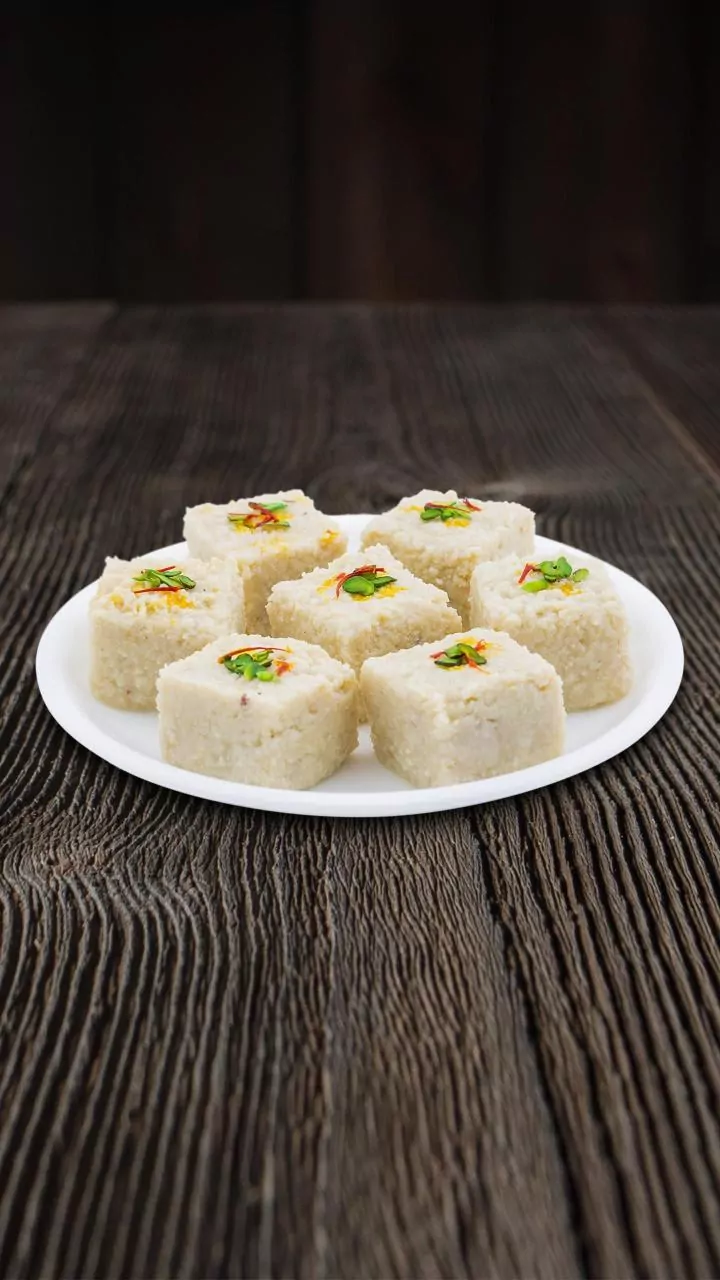
For the uninitiated, stepping into a mithai shop can be a dazzling, almost overwhelming experience. Trays are piled high with colorful, jewel-like confections made from a dizzying array of ingredients: reduced milk, chickpea flour, paneer-like cheese,
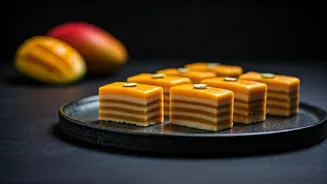
nuts, and fragrant spices. 'Mithai' isn't a single dish but a massive category of sweets central to South Asian celebrations, holidays, and daily life. Think of it as an entire universe of desserts, from the dense, fudge-like squares of burfi and the milky, crumbly spheres of peda to the syrup-soaked dumplings of gulab jamun. Traditionally, these sweets are rich, fragrant with cardamom, saffron, or rosewater, and unapologetically decadent. They are an art form, perfected over generations.
The Mango and Mithai Marriage
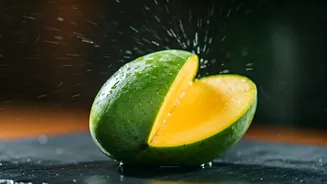
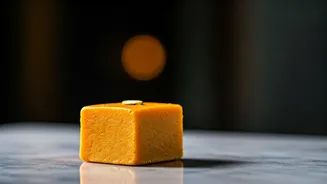
Mango has always held a place of honor in the Indian culinary canon. Dubbed the 'king of fruits,' its arrival signals the peak of summer, a sweet, golden antidote to the oppressive heat. Its flavor—a perfect balance of sunshine-sweet and subtly tart, with floral and sometimes resinous notes—makes it a natural partner for the dairy-rich, nutty profiles of most mithai. For decades, mango burfi (a dense mango-flavored fudge) has been a seasonal staple. But what's happening now is different. It’s not just about adding mango pulp to a traditional recipe; it’s a complete creative reimagining.
The Third-Culture Kitchen
This new wave of mango mithai desserts is being driven by a generation of Indian-American chefs, bakers, and home cooks who grew up navigating multiple cultural worlds. They have a deep-seated love for the flavors of their heritage but are also fluent in the language of Western pastry. The result? Desserts that are both familiar and thrillingly new. We're seeing mango shrikhand (a strained yogurt dessert) piped into delicate French macarons. There are cheesecakes with a gulab jamun surprise inside, topped with a luscious mango mousse. Bakeries are crafting beautiful entremets—sophisticated layered mousse cakes—that deconstruct the flavors of a mango lassi or a piece of mango peda. These aren't watered-down fusion gimmicks; they are confident, exciting expressions of a 'third-culture' identity. They answer the question: What happens when your taste memories include both birthday cake and barfi?
From Niche to Mainstream
What began in home kitchens and diaspora-focused bakeries is now hitting the mainstream. High-end restaurants in New York and San Francisco feature mithai-inspired desserts on their tasting menus. Chic cafes sell mango-cardamom cruffins and pistachio-rose croissants. This trend speaks to a broader shift in American food culture. The walls between 'ethnic' food and 'American' food have crumbled. Diners are more curious and adventurous than ever, and chefs are embracing the freedom to draw inspiration from their own complex personal histories. A mango-mithai dessert is no longer just a sweet treat; it’s a story on a plate—a delicious narrative of migration, adaptation, and creative innovation. It’s the taste of modern America, and it's wonderfully sweet.