




The Monsoon's New Reality
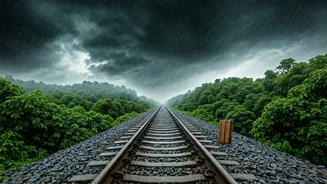
For generations, the monsoon was a predictable, life-giving season stretching from June to September. It replenished reservoirs, nourished crops, and offered a dramatic backdrop for travelers seeking an “authentic” Indian experience. That rhythm is breaking.
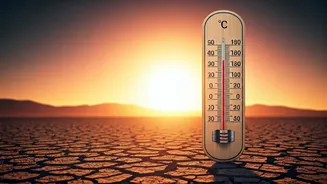
Scientists and meteorologists now point to a disturbing trend: the monsoon is becoming more erratic and violent. Instead of several months of steady, manageable rain, the pattern is shifting toward long dry spells punctuated by terrifying, short-lived deluges that dump a month's worth of rain in just a few hours. This phenomenon, driven by a warming Arabian Sea and shifting climate patterns, is turning a predictable season into a high-stakes gamble for unprepared travelers.
From Downpour to Disaster
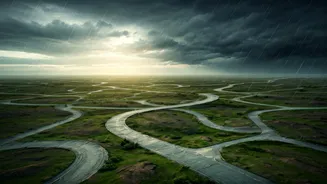
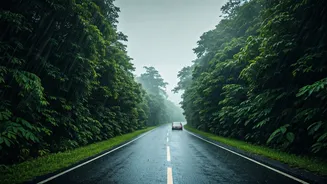
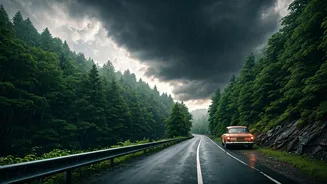
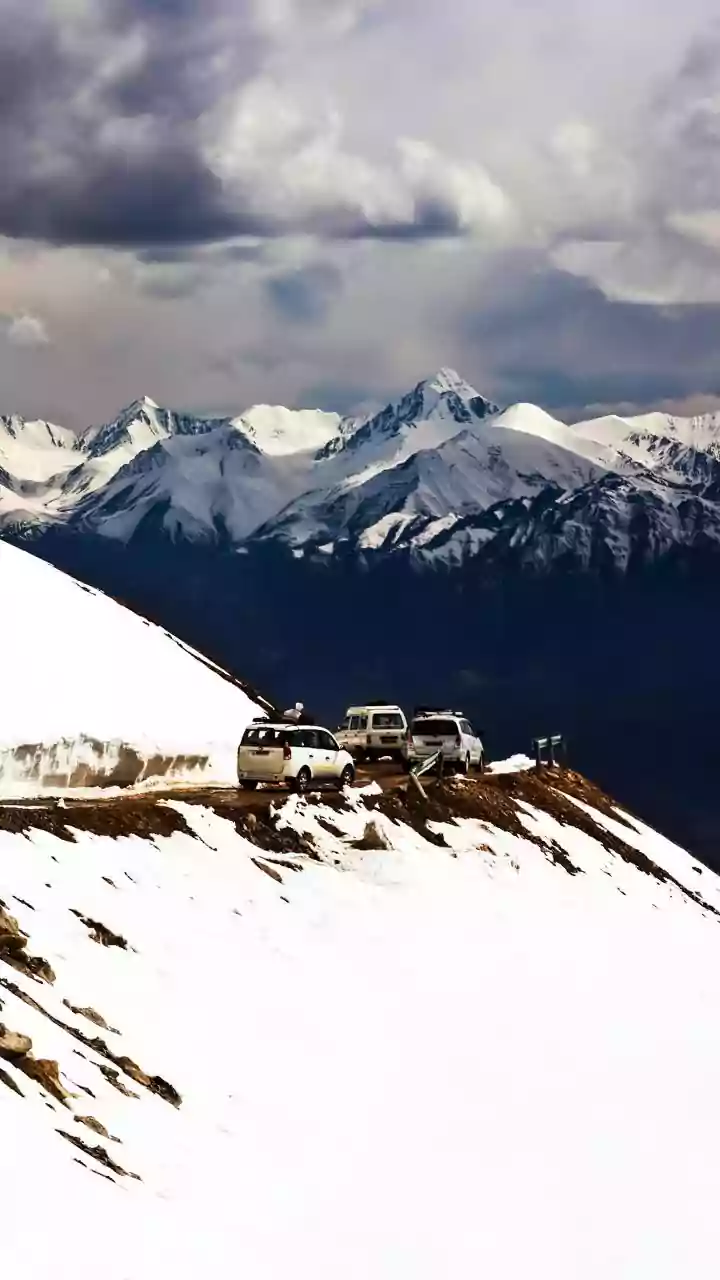
The consequences of these intense rainfall events are not just a matter of getting wet. In cities like Mumbai and Delhi, overwhelmed drainage systems lead to flash floods that can shut down streets, airports, and train lines in a matter of hours, leaving tourists stranded. The real danger, however, is in India’s famed hill stations in states like Himachal Pradesh and Uttarakhand. In recent years, these regions have been devastated by catastrophic landslides and flash floods. Roads, bridges, and entire buildings have been washed away, as seen in the widely publicized disasters of 2023. What might have been a scenic mountain drive can quickly become a life-threatening trap. The romantic notion of watching the rain from a hillside cafe ignores the very real possibility of that hillside collapsing.
Rethinking Your Itinerary
This doesn't mean you must cancel a trip to India between June and September, but it does demand a fundamental shift in planning. The first step is to treat monsoon alerts from the Indian Meteorological Department (IMD) with the same seriousness as a hurricane warning in Florida. These alerts, often issued in color-coded tiers (green, yellow, orange, red), are the most reliable indicator of immediate risk. If you’re planning a trip to mountainous northern states or even the beautiful backwaters of Kerala, it's now essential to build flexibility into your schedule. Non-refundable bookings in high-risk areas during peak monsoon are a significant financial and safety risk. The smartest travelers are now opting for more stable regions during these months or are planning their Himalayan treks and mountain visits for the safer, post-monsoon season in October and November.
Your Monsoon Safety Checklist
If your travel dates are fixed during the monsoon, being prepared can make all the difference. First, download a reliable weather app that provides IMD alerts. Second, share your itinerary with someone back home and have contingency plans, including backup routes and an emergency fund. Pack for the worst: waterproof gear is a given, but also consider a power bank, a first-aid kit, and water purification tablets. Most importantly, listen to local advice. If your driver, hotelier, or guide warns you that a road is unsafe, believe them. Their knowledge is based on lived experience, not a tourist brochure. Finally, check your travel insurance policy. Many standard policies do not cover cancellations or disruptions due to weather events that are considered foreseeable, like the monsoon, so you may need to look for a more comprehensive plan.