


The Fairytale Cities of Rajasthan
Let’s be clear: a trip to Rajasthan that only includes its cities is still a phenomenal vacation. This is the India of storybooks. You can wander the sprawling Amer Fort outside Jaipur, feeling like royalty looking out over the hills. You can get lost
in the azure maze of Jodhpur’s old city, every corner revealing a new spice market or textile shop. In Udaipur, the “Venice of the East,” you can watch the sunset over Lake Pichola from a rooftop cafe, the white marble Lake Palace seeming to float on the water. It’s a region steeped in romance, grandeur, and an almost overwhelming sense of history. The food is incredible, the people are welcoming, and the architecture is breathtaking. You could spend weeks here and still feel like you’ve only scratched the surface. But you’d be missing the main event.
From Palaces to Predator’s Ground
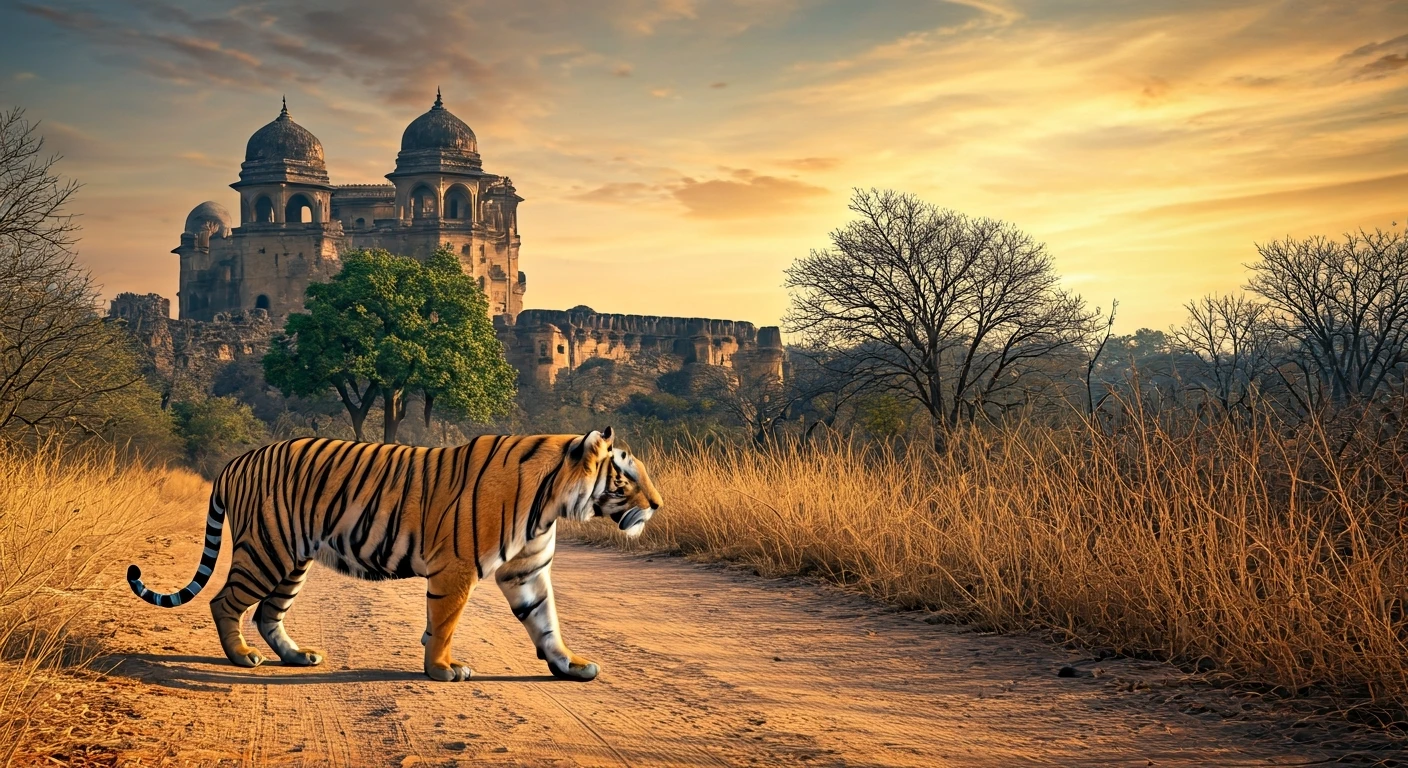
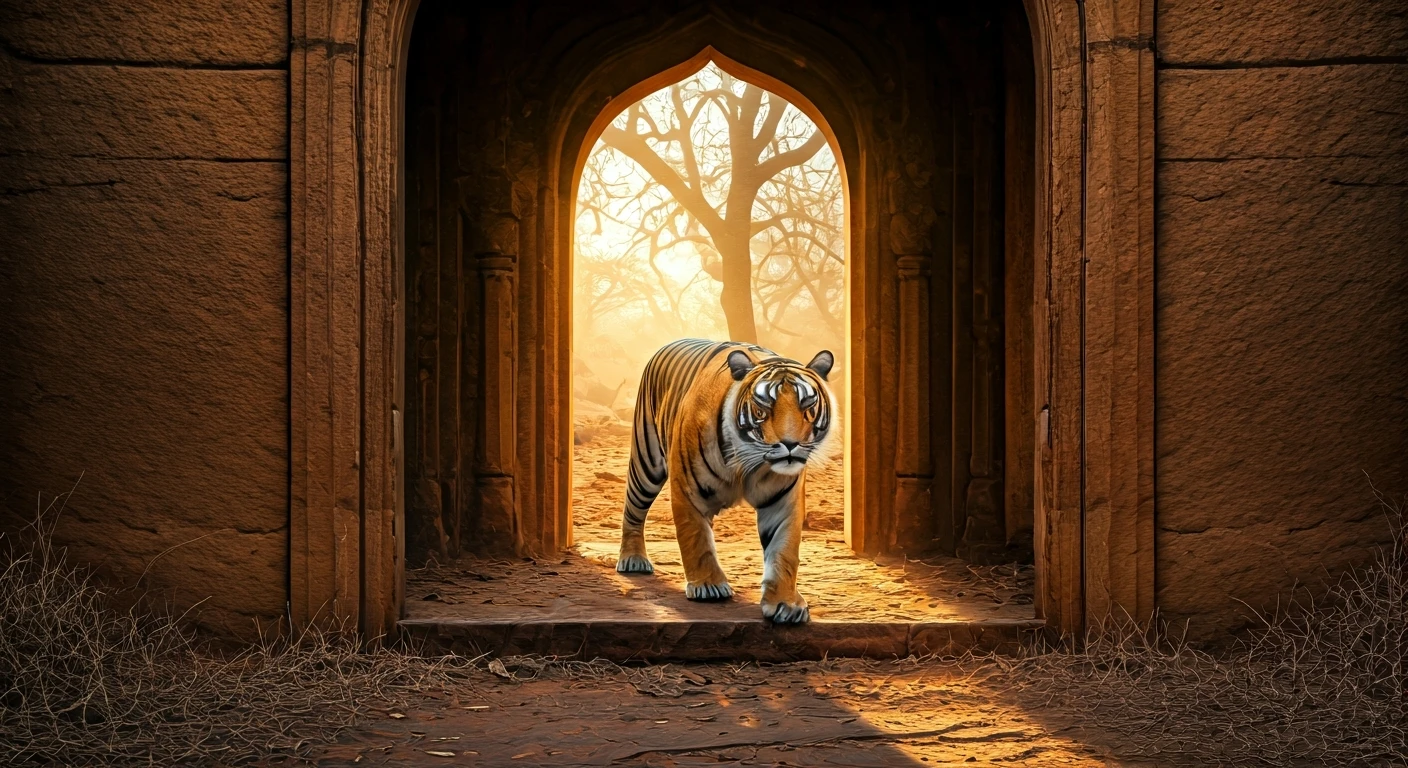
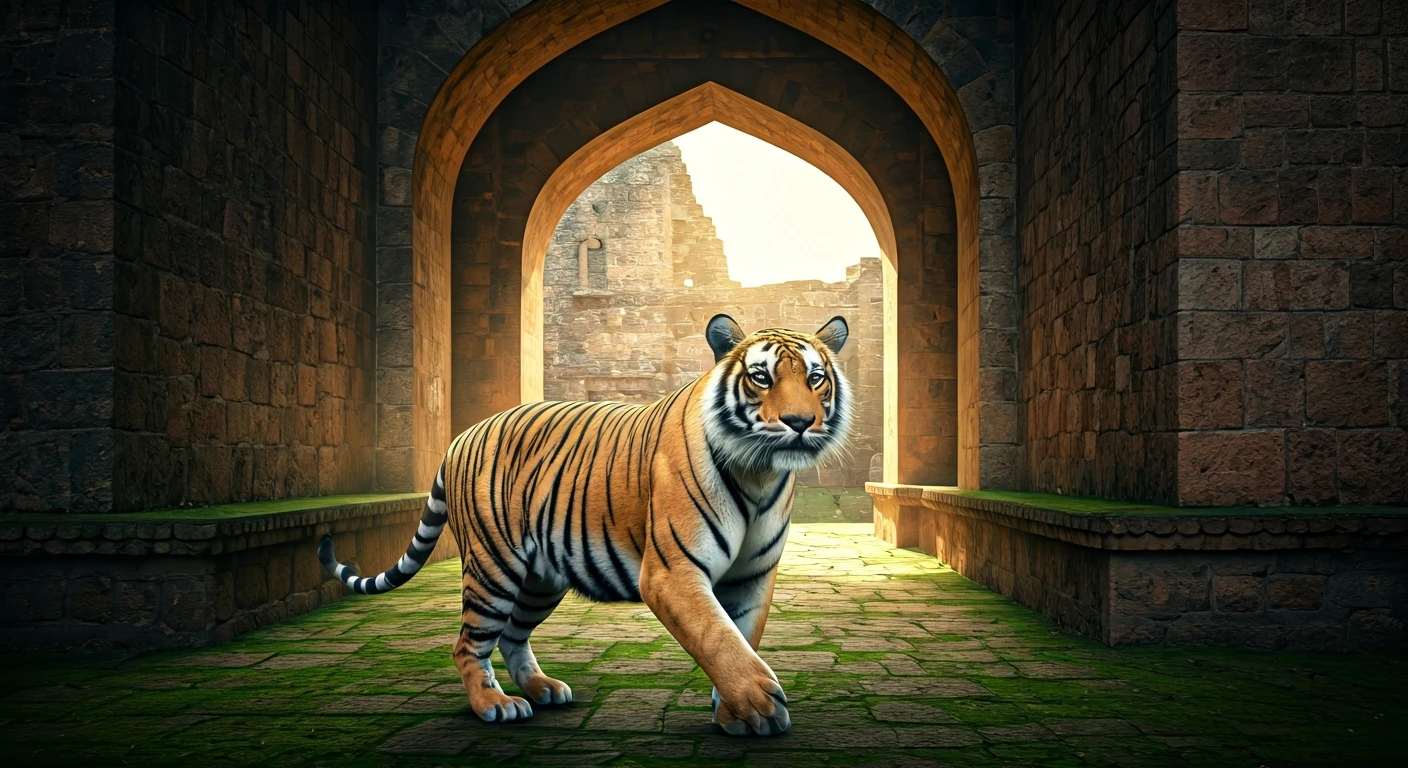
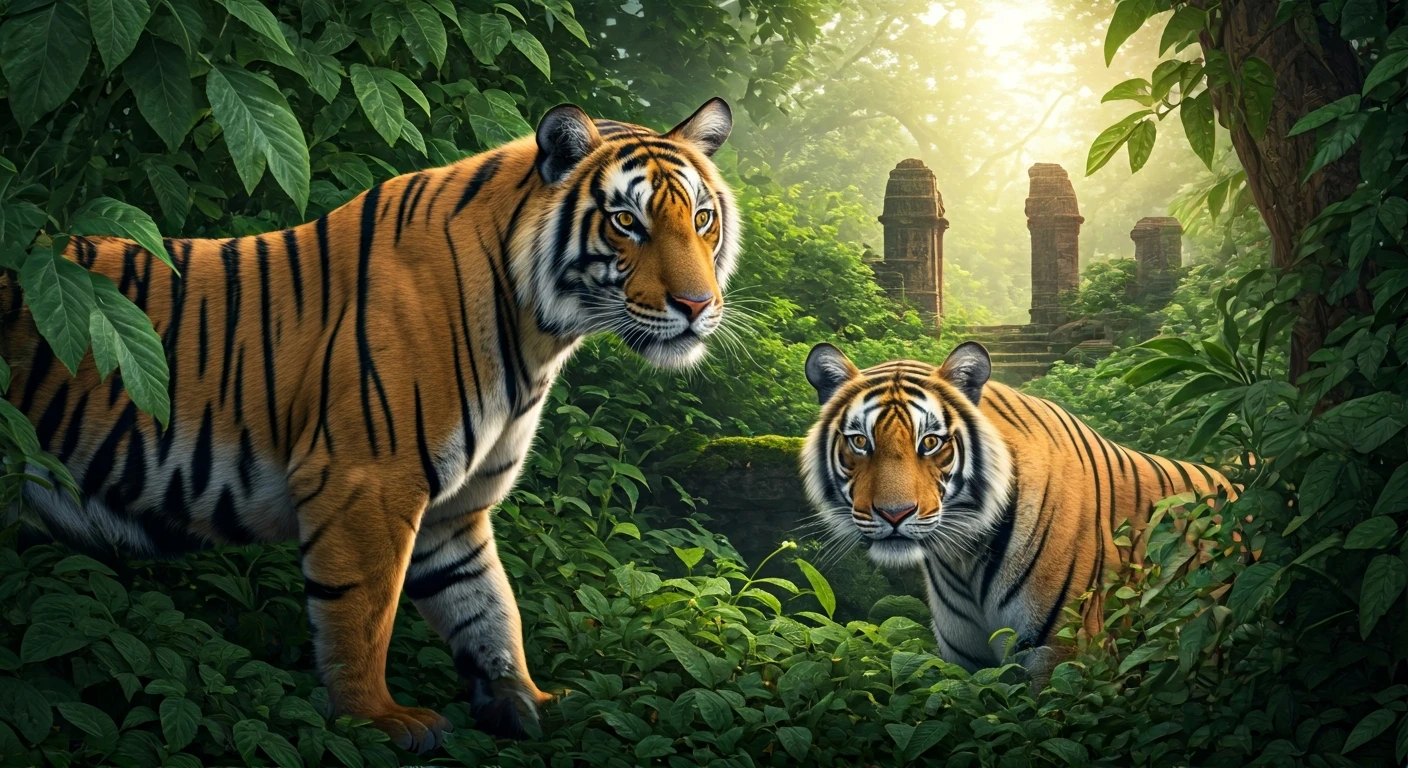
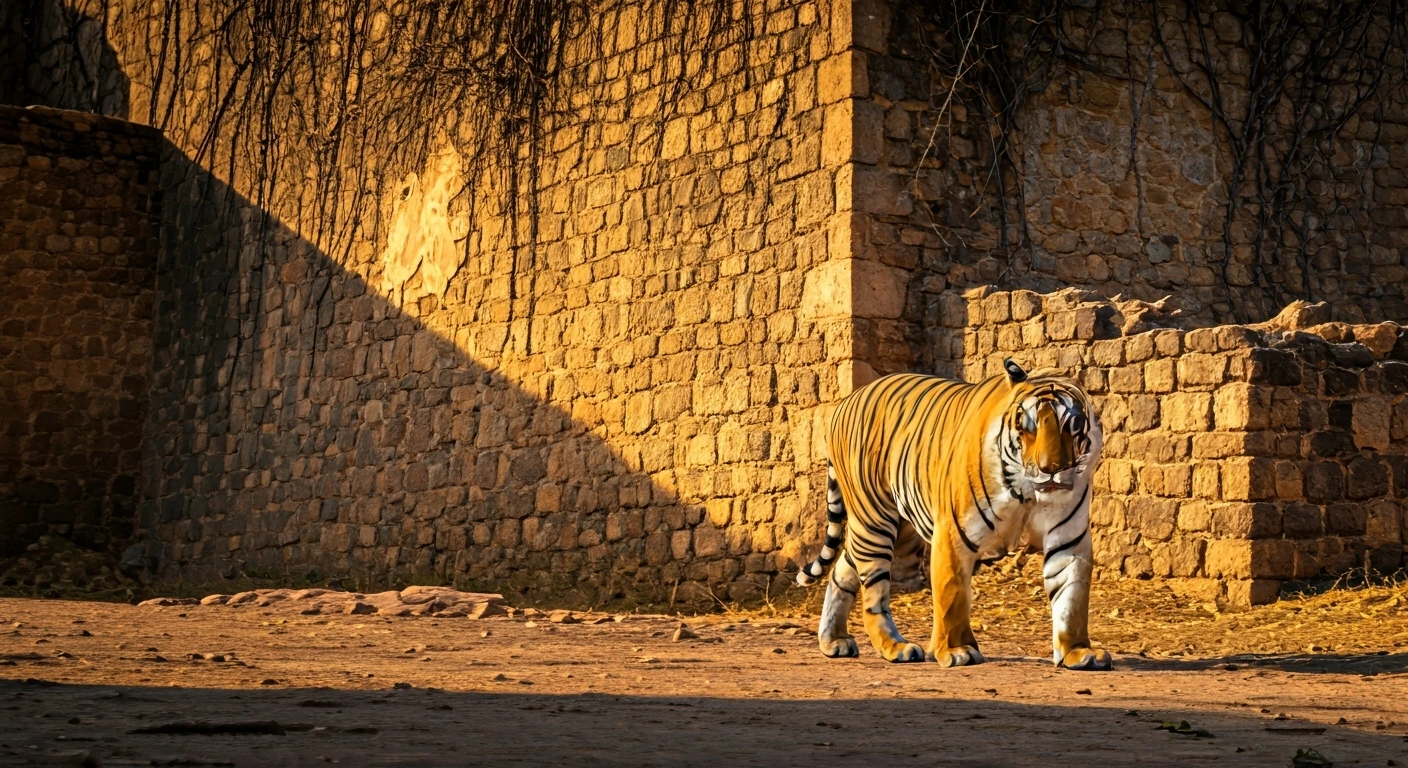
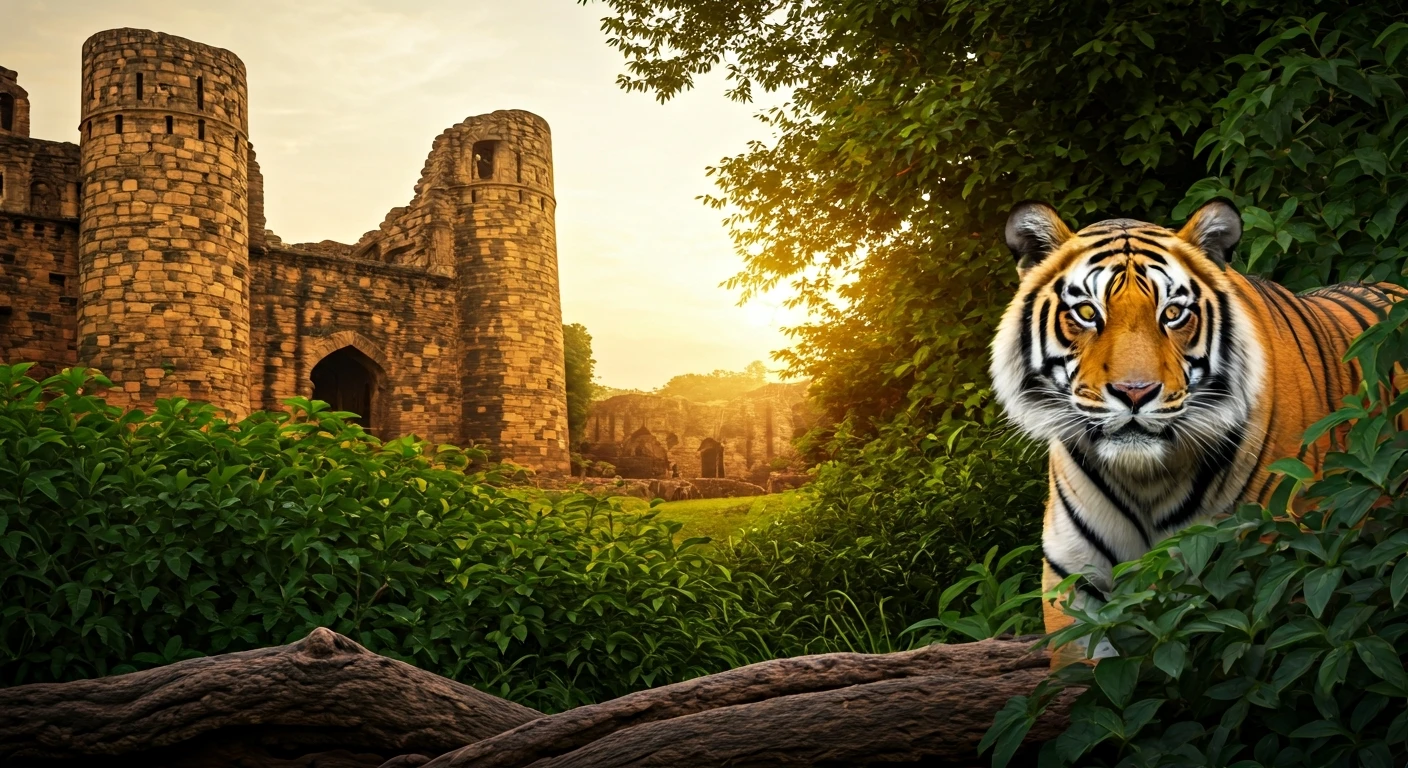
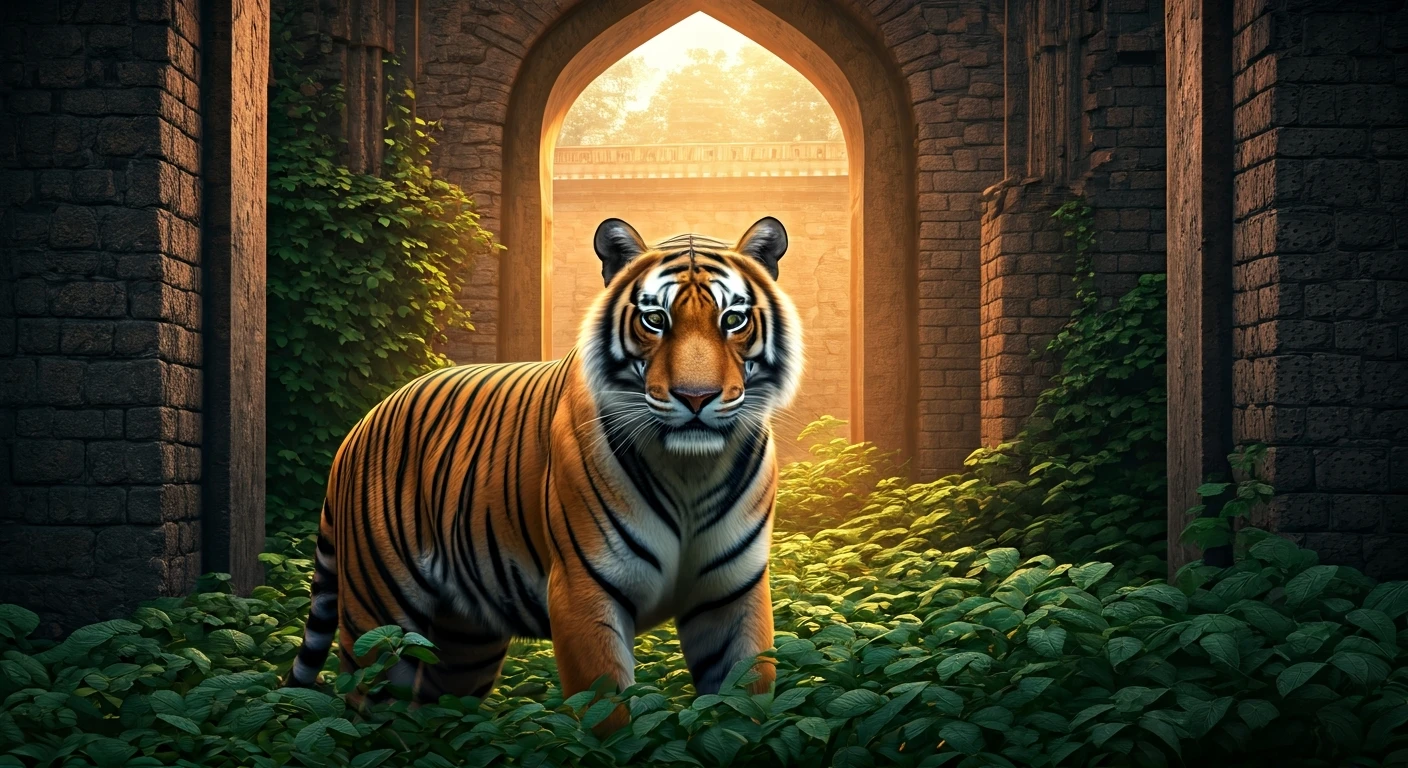
The magic happens when you trade the city bustle for the dusty tracks of Ranthambore National Park. Located in the Sawai Madhopur district, Ranthambore was once the private hunting ground for the maharajas of Jaipur. That history hangs in the air. The park is dominated by the 10th-century Ranthambore Fort, a UNESCO World Heritage site, its ancient walls and temples standing silently on a massive cliff overlooking the jungle. This isn’t a manicured zoo; it’s a rugged, raw landscape of dry deciduous forest, rocky outcrops, and serene lakes where history and nature have collided. Driving into the park feels like crossing a threshold into another world, one where humans are merely quiet observers in a kingdom ruled by something much older and wilder.
The Thrill of the Tiger Safari
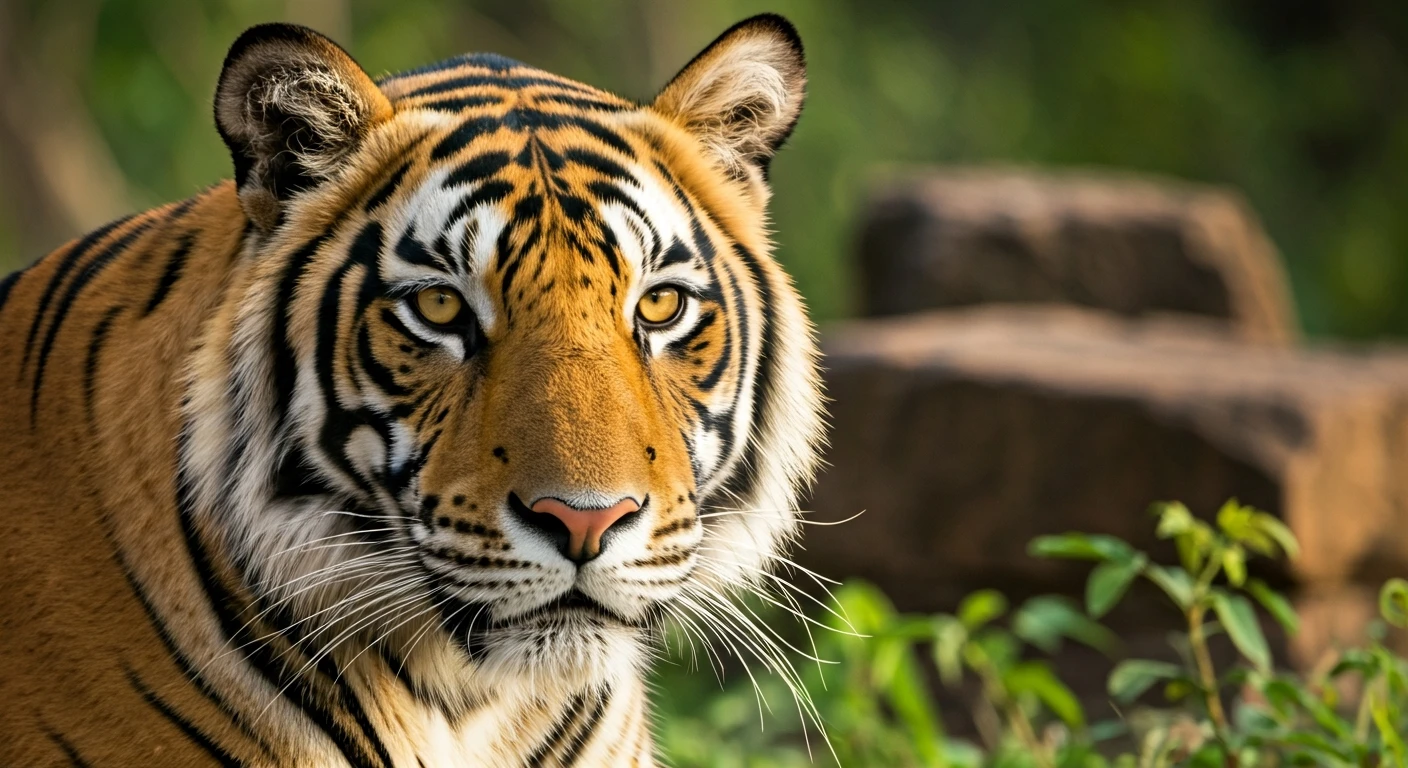
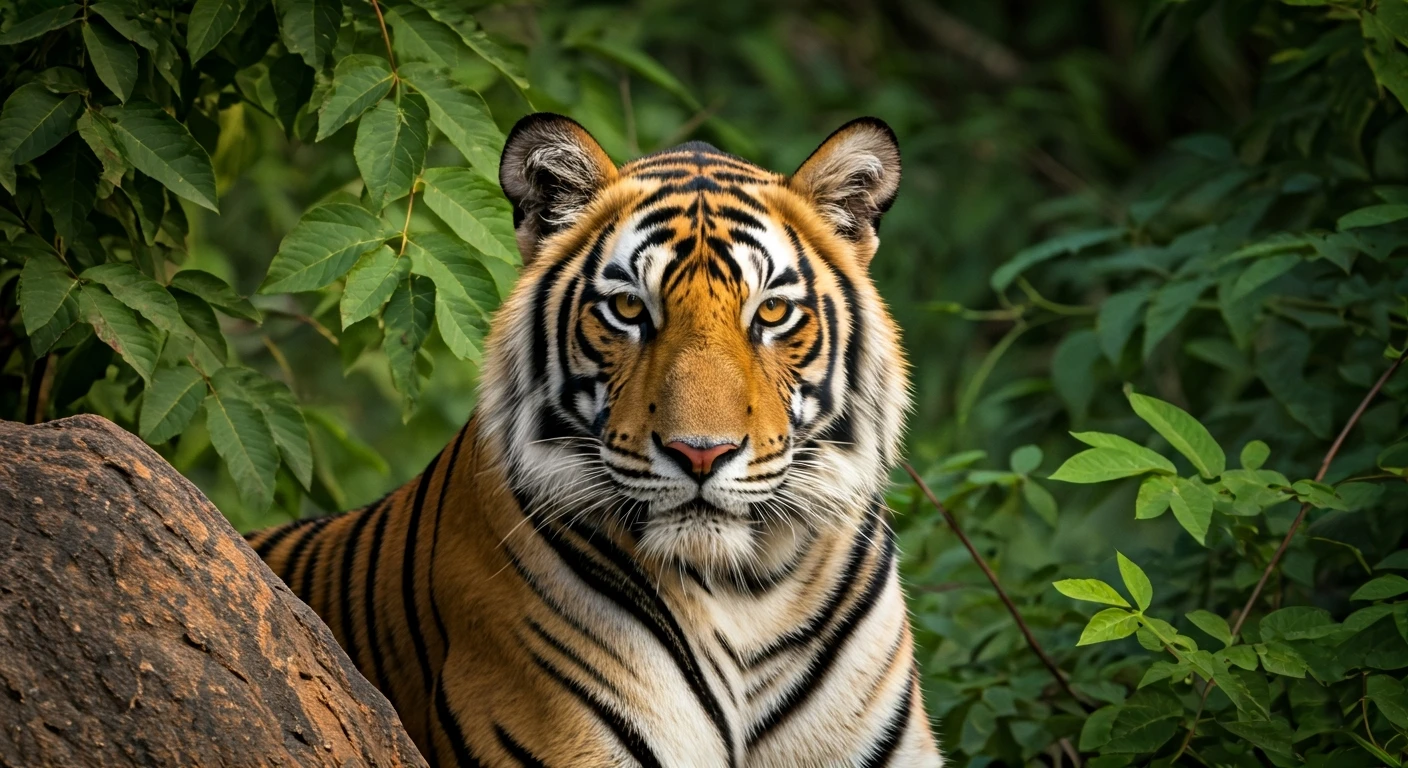
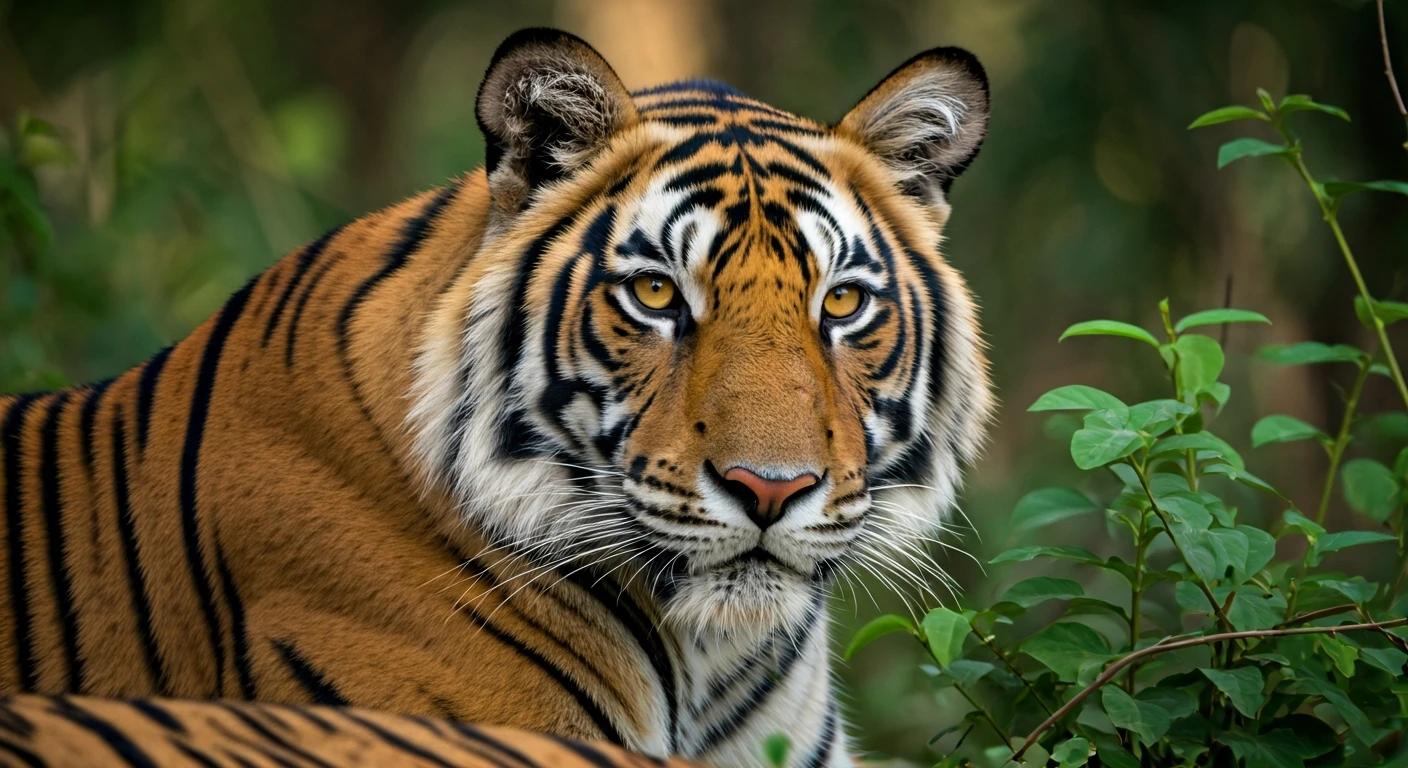
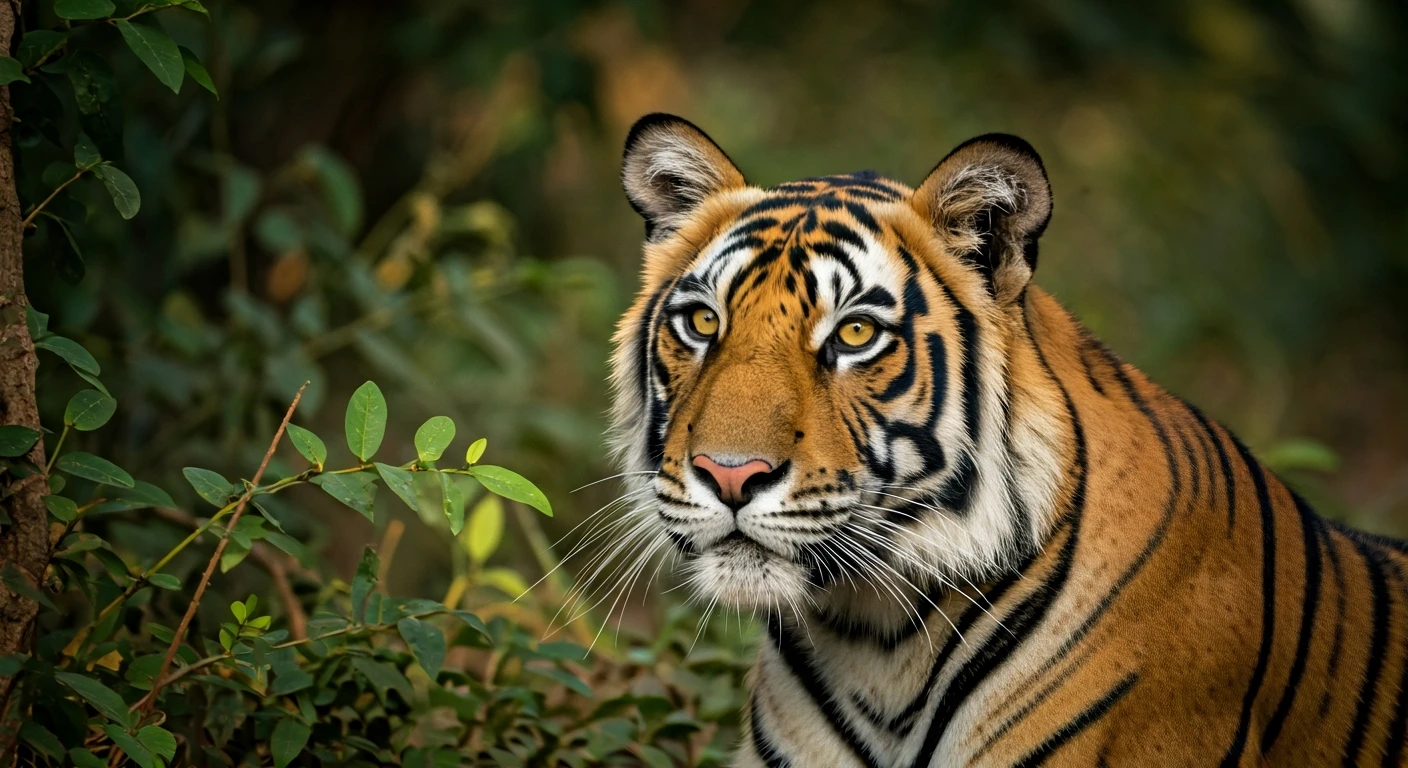
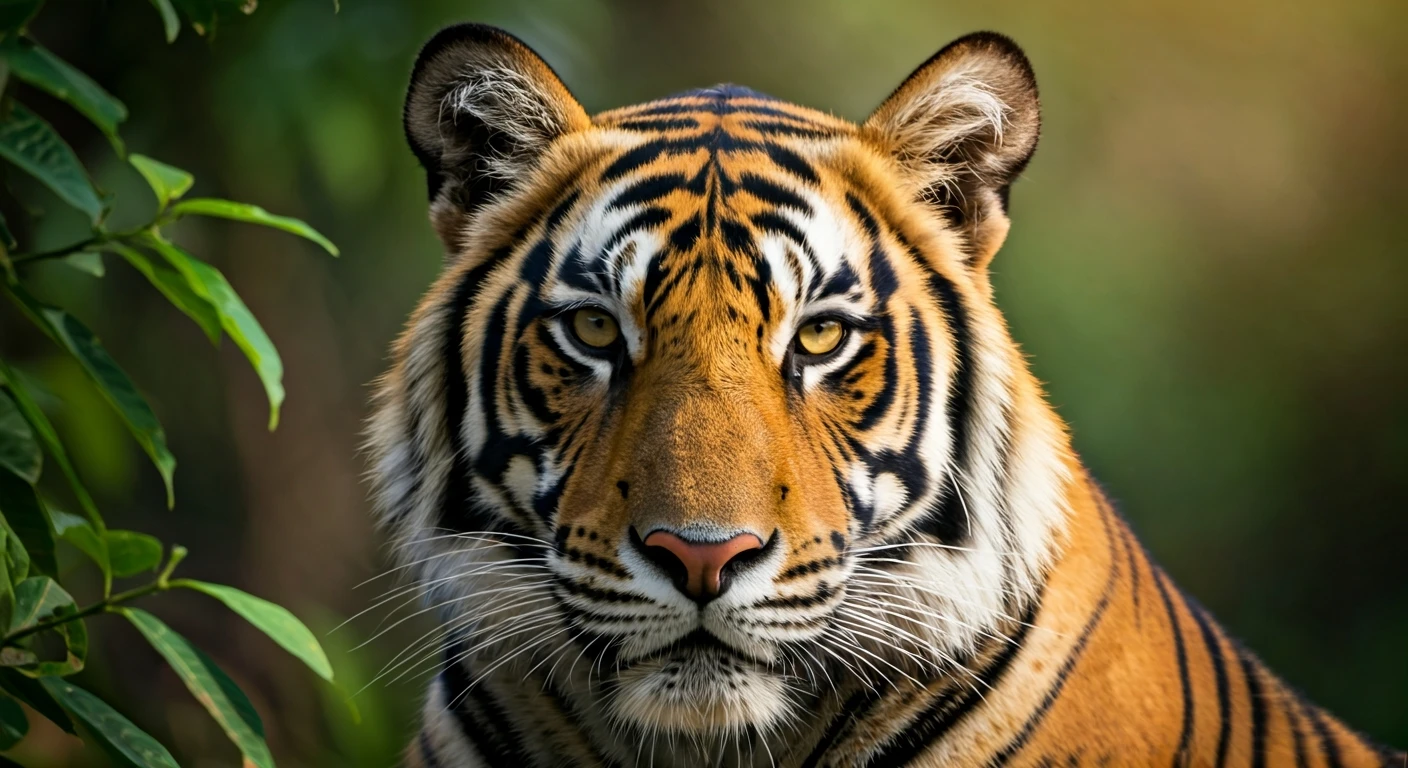
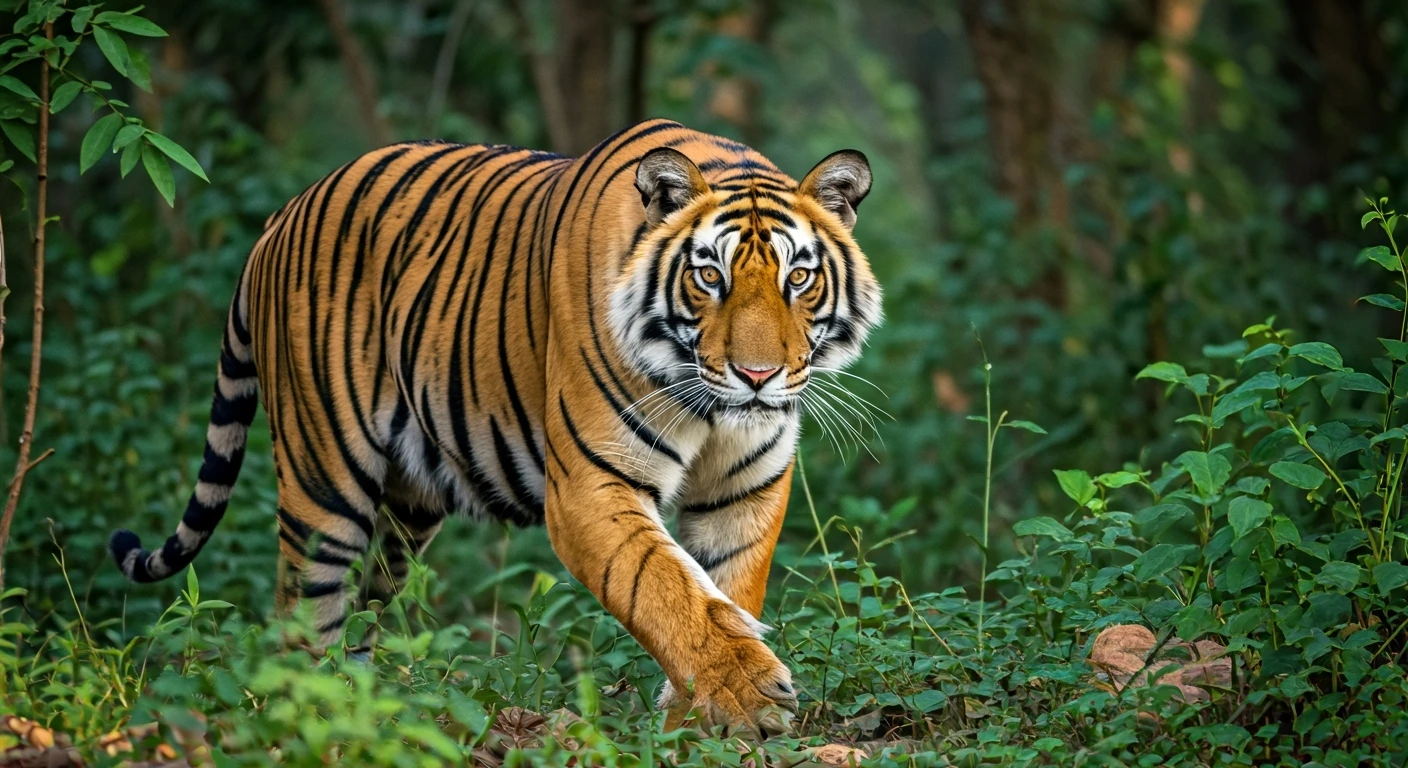
Your day starts before dawn, the air crisp and cool. You climb into an open-air vehicle—either a six-person “Gypsy” jeep or a larger 20-person “Canter”—and roll into the wilderness. The search begins. Your guide, an expert in tracking, listens for the alarm calls of deer or monkeys, a tell-tale sign that a predator is on the move. Every rustle in the bushes, every paw print in the dust, sends a jolt of anticipation through the vehicle. The safari is a masterclass in patience. You might drive for an hour and see nothing but spotted deer and peacocks. But then, it happens. The driver cuts the engine. Everyone falls silent. And out of the tall grass strolls a Bengal tiger, a magnificent creature of striped muscle and effortless power. Seeing one in the wild—not behind bars, but walking freely in its own domain—is a profound, heart-pounding experience that no palace tour can replicate.
More Than Just Stripes
While the tiger is undoubtedly the star, Ranthambore is a complete ecosystem. A safari here is a crash course in Indian wildlife. You’re likely to see lumbering sloth bears, stealthy leopards (if you’re exceptionally lucky), marsh crocodiles sunning themselves by the lakes, and countless sambar deer. The birdwatching is phenomenal, with species ranging from crested serpent eagles to vibrant kingfishers. The landscape itself is a character. Ancient banyan trees twist over forgotten hunting pavilions, and the crumbling fort provides a dramatic backdrop that makes you feel like you’ve stumbled into a real-life Jungle Book. The tiger may be the reason you come, but the rich biodiversity and historical ruins are what make Ranthambore an unforgettable destination in its own right.
Planning Your Ranthambore Encounter
To make the most of it, a little planning goes a long way. The park is open from October to June, with the best sighting chances generally from April to June when animals congregate around water sources, though the heat can be intense. For a comfortable climate, visit between October and March. Book your safaris far in advance, as they sell out, especially for the smaller, more intimate Gypsy jeeps which offer a better viewing experience than the larger Canters. Plan for at least two or three safari drives to maximize your chances; tiger sightings are a matter of luck and are never guaranteed. But the pursuit itself is the adventure, and when you connect it to the cultural splendor of Rajasthan’s cities, it elevates the entire journey from a simple vacation to a true expedition.