






First, Let's Define 'Smart'
When Americans hear “smart furniture,” we often think of a nightstand that wirelessly charges your phone or a desk that tracks your standing time. But in the bustling urban centers of Mumbai, Bengaluru, and Delhi, “smart” has a more practical, ingenious
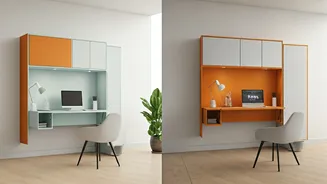
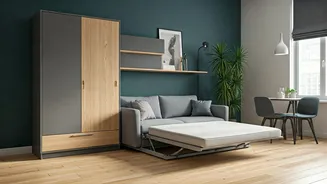
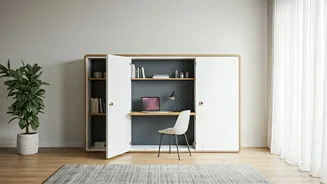
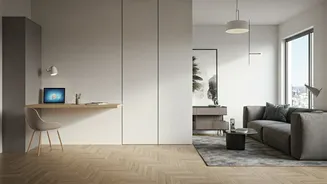
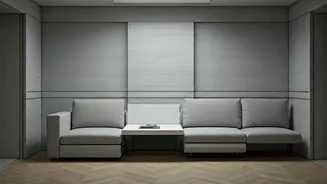
meaning. It’s less about IoT connectivity and more about high-IQ design. This furniture is transformable, modular, and relentlessly efficient. It’s the Murphy bed, reimagined for the 21st century, that folds up not just to reveal floor space, but to become a sleek home office desk. It’s the coffee table that elevates and expands to a six-person dining table, or the sofa that contains hidden storage, a pull-out bed, and detachable side tables. This isn’t just about saving space; it's about multiplying it.
The Great Urban Squeeze
This trend isn't happening in a vacuum. It’s a direct response to one of the most powerful forces shaping modern India: rapid urbanization. Millions are moving to cities for economic opportunity, causing property values to skyrocket. For many young professionals and new families, the dream of homeownership is only achievable in a “compact” apartment, often well under 1,000 square feet. According to real estate analysts in India, the average apartment size in major metropolitan areas has been shrinking for years. Developers are building smaller units to keep prices accessible for first-time buyers. At the same time, the pandemic-fueled work-from-home culture has permanently blurred the lines between living room, office, and gym, making every square foot more critical than ever. Traditional, bulky furniture designed for sprawling suburban homes simply doesn't work in this new reality. Homeowners need their spaces to be as flexible as their lives.
Innovation Born from Necessity
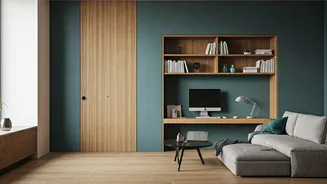
Indian furniture companies, from established players like Godrej Interio to a wave of nimble startups, have risen to the occasion. Their catalogs and showrooms look like something out of a futuristic design film. You’ll find wall-mounted dining tables that fold away completely, modular shelving that can be reconfigured into room dividers, and beds with hydraulic lifts that reveal cavernous storage compartments underneath. The aesthetic is clean, modern, and minimalist—a far cry from the heavy, ornate wooden furniture that once dominated Indian interiors. The target demographic is the urban millennial and Gen Z buyer who values minimalist design, practicality, and the feeling of a clutter-free, open space, even when one doesn't technically exist. They are not just buying a bed or a table; they are investing in a system that allows their small home to adapt to their needs, whether it's hosting a dinner party, leading a Zoom call, or just relaxing.
A Glimpse of Our Own Future?
It’s tempting to view this as a uniquely Indian phenomenon, but it’s more like a preview of a global future. The same pressures—high real estate costs, densification, and hybrid work—are reshaping how Americans live in cities like New York, San Francisco, and Boston. While companies like IKEA have long offered space-saving solutions, the Indian market is showcasing a more integrated and sophisticated approach where the entire home is conceived as a flexible, multifunctional ecosystem. What’s happening in Mumbai today could very well be the standard in Miami or Seattle tomorrow. It’s a powerful reminder that some of the most exciting design innovations don’t come from luxury and abundance, but from the clever constraints of necessity. The design language being perfected in these compact Indian apartments is a universal one: do more with less, and do it with style.