


An Ethos of Ingenuity
In many South Asian cultures, there’s a concept loosely translated as 'jugaad'—a sort of frugal and flexible ingenuity. It’s the art of making things work, of finding a clever fix using what you have. This philosophy isn’t just for repairing a sputtering
engine; it’s the lifeblood of the Desi kitchen. Long before 'sustainability' was a buzzword, using every last scrap was a matter of practicality, respect for ingredients, and financial prudence. It wasn't about deprivation; it was about abundance, creatively coaxed from what might otherwise be discarded. This mindset, passed down through generations of mothers and grandmothers, sees not a pile of vegetable scraps but the potential for another meal.
From Peel to Stem
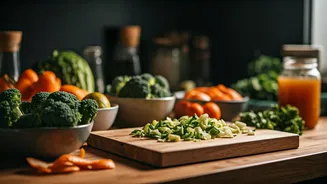
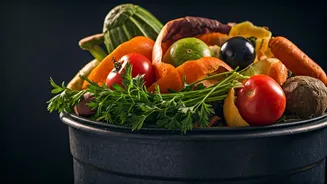
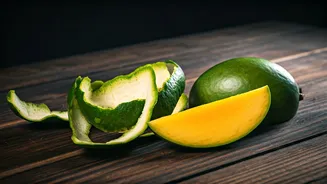
Walk into a traditional Desi kitchen, and you’ll see low-waste principles in action everywhere. The tough, fibrous stems of cauliflower or broccoli? They aren't binned; they’re chopped fine and added to sabzis (vegetable stir-fries) or dals (lentil stews) for texture and nutrients. The peels of vegetables like bottle gourd, ridge gourd, or even potatoes are often stir-fried with spices to create a delicious side dish or ground into a zesty chutney. The water left over from making paneer (a fresh cheese) or boiling chickpeas is a nutrient-rich stock called whey, perfect for kneading into bread dough or thinning out curries. This 'root-to-stem' approach isn't a culinary trend; it's an ingrained reflex, a way of honoring the food that nourishes the family.
The Second Life of Leftovers
In the American imagination, leftovers often mean a sad, microwaved container of last night's dinner. But in the Desi culinary world, leftovers are merely ingredients for their next, often better, incarnation. A bowl of plain leftover rice is the perfect base for tomorrow’s tangy lemon rice, savory tomato rice, or a quick stir-fry known as 'tahiri' or 'vaghar-bhaat.' Stale rotis (flatbreads) don't go to waste; they’re torn and sizzled in a 'tadka' of spices to become a crunchy, savory breakfast dish or snack. Yesterday’s dal can be thickened with flour and spices to make savory pancakes or kneaded into dough for parathas. This constant transformation ensures nothing is wasted while keeping the menu exciting and diverse.
More Than Just Food Scraps
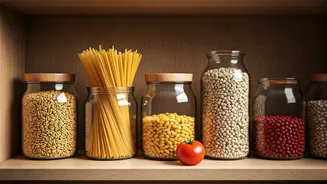
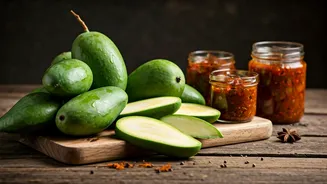
The low-waste ethos extends far beyond the ingredients themselves. The glass jars from store-bought pickles or jams are meticulously washed and saved to store homemade spices, chutneys, and grains. Old cotton sarees and dupattas are cut into kitchen towels and cleaning rags. Shopping trips have, for decades, involved taking your own sturdy cloth or jute bag—not for an eco-friendly statement, but because it was simply the most sensible thing to do. It’s a holistic view of resource management where everything has value and potential for a second, third, or fourth life. This quiet, un-branded sustainability is a powerful counter-narrative to the consumer-driven push for specialized 'eco-friendly' products.