






Welcome to India’s Wild Heart
For American travelers whose knowledge of Indian wildlife begins and ends with The Jungle Book, Jim Corbett and Sariska Tiger Reserve are revelations. Located in northern India, they represent two of the country's most vital conservation areas. Corbett,
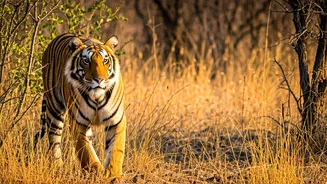
established in 1936, is India's oldest national park, a sprawling landscape of hills, grasslands, and dense forests teeming with elephants, deer, and the famously elusive Bengal tiger. Sariska, nestled in the Aravalli Hills of Rajasthan, is another critical tiger habitat, offering a similarly dramatic backdrop for wildlife viewing. For decades, visiting these parks meant a trade-off: you accepted basic, often government-run, accommodations for a chance to see incredible fauna. The adventure was in the grit, the bumpy ride, and the simple cot at the end of the day. But that’s no longer the whole story.
What 'Lodge-First' Actually Means
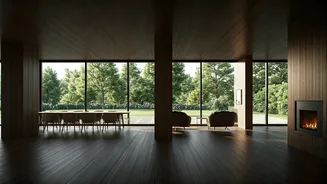
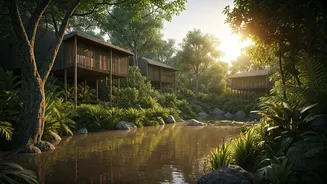
The “lodge-first” trend redefines the entire safari experience. It posits that your accommodation isn’t just a basecamp; it’s a central part of the vacation. Instead of booking a safari and finding a place to sleep, travelers are now selecting a world-class lodge and letting the safari experience flow from there. These are not just hotels. They are meticulously designed properties that blend into the landscape, offering a seamless connection to the wilderness from the comfort of a private villa. Think infinity pools overlooking watering holes, gourmet meals prepared with local ingredients, and open-air decks for stargazing. The lodge becomes a sanctuary where the adventure continues even after the jeep returns. The focus shifts from a singular goal—spotting a tiger—to a holistic immersion in nature, punctuated by moments of extreme comfort and luxury.
The Appeal: Comfort, Curation, and Conservation
So why the shift? Several factors are at play. Post-pandemic travelers are placing a higher premium on privacy, cleanliness, and controlled environments. A private lodge with a dedicated staff offers a reassuring bubble. Furthermore, this trend appeals to a wider audience, including families and couples who desire the thrill of the wild without sacrificing the comforts of a five-star resort. The experience is also highly curated. These lodges employ expert naturalists who provide private guided tours, bird-watching walks, and fireside chats about the local ecosystem. This transforms a simple sightseeing trip into an educational journey. Many high-end lodges also contribute significantly to local conservation efforts and community development, allowing travelers to feel that their tourism dollars are making a positive impact—a concept often marketed as “conscious luxury.”
Redefining 'Roughing It'
This new model is a far cry from the bare-bones forest rest houses of the past. While those options still exist for the hardcore purist, the rise of the luxury lodge has changed expectations. A typical day might start with a 5 a.m. wake-up call with fresh coffee delivered to your suite, followed by a guided safari in a customized, more comfortable 4x4 vehicle. After a few hours in the park, you return not to a dusty tent, but to a drawn bath, a spa treatment, and cocktails by a fire pit. This approach removes the “roughing it” element that once deterred many potential visitors. It makes the sublime experience of being in the Indian wilderness accessible, comfortable, and deeply pampering. The thrill isn’t diminished; it's just bookended by luxury, making the adventure itself feel even more special.