


The New Home Ecosystem
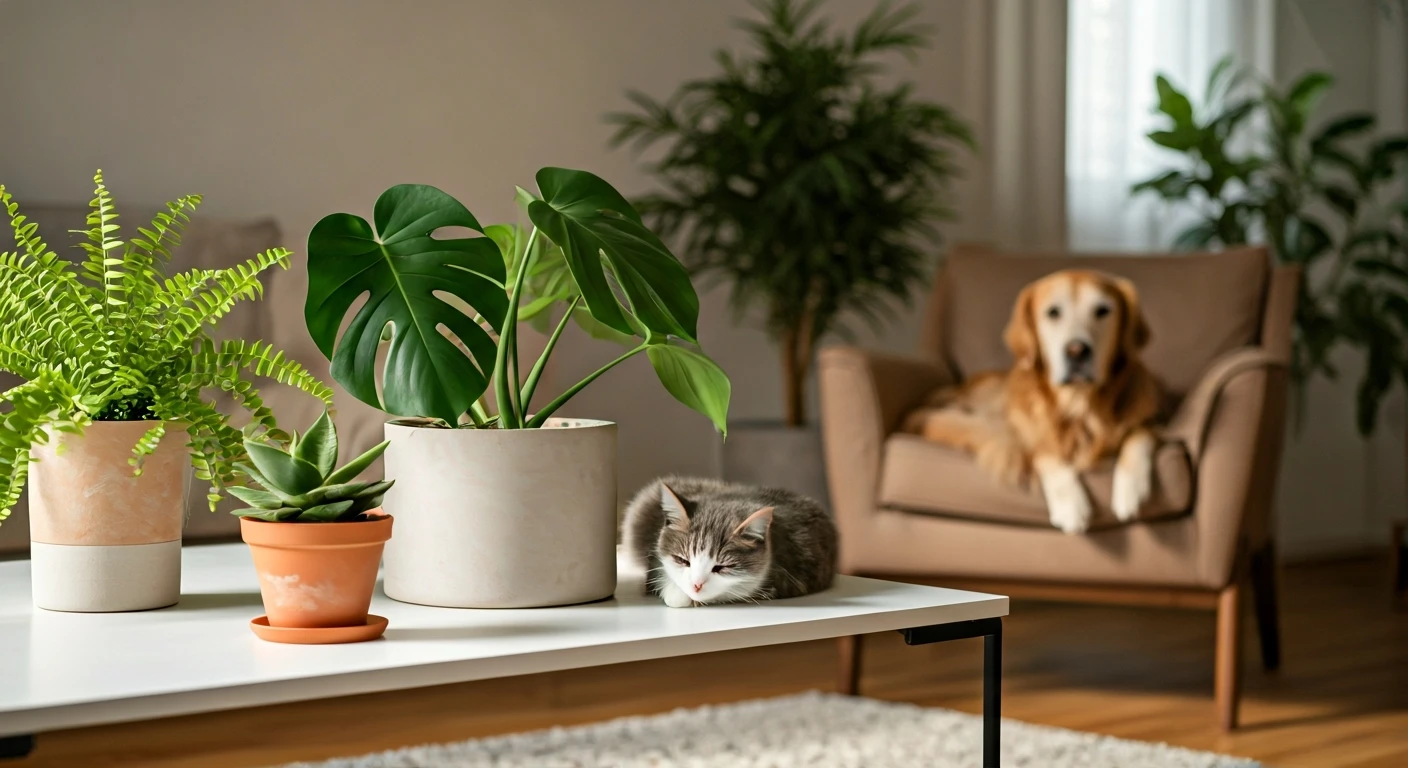
The story of the modern American home is increasingly told in shades of green and paw prints. For millions of millennials and Gen Zers, who now make up the majority of both pet owners and “plant parents,” creating a living space is about curating a harmonious
ecosystem. This isn't just about aesthetics; it's about responsibility. The fear of a curious cat chewing on a toxic lily or a playful puppy ingesting a poisonous leaf has shifted purchasing habits dramatically. Nurseries and garden centers, especially those catering to city dwellers with limited space, have seen a significant surge in customers asking one simple question before anything else: “Is this safe for my pet?” This single concern is becoming a primary filter for how a new generation shops for their homes.
The 'Yes List': Stylish & Safe
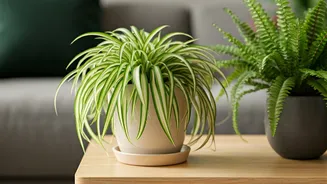
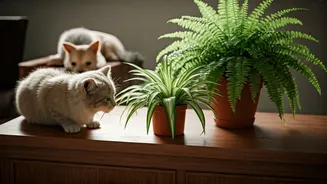
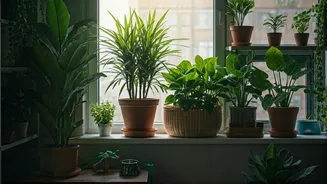
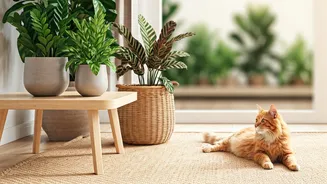
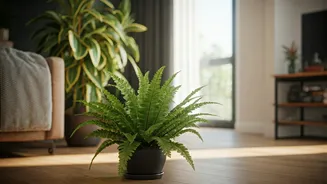
The good news is that creating a pet-friendly indoor jungle doesn’t mean settling for boring plants. A whole category of beautiful, air-purifying, and completely non-toxic plants is leading the sales charts. The Spider Plant (Chlorophytum comosum), with its cascading baby offshoots, is not only safe but also provides a fun, dangly toy for cats. Prayer Plants (Calathea and Maranta species) are beloved for their stunning, patterned leaves that fold up at night, and they are completely harmless. The Parlor Palm (Chamaedorea elegans) offers a touch of tropical elegance without the risk, and the classic Boston Fern (Nephrolepis exaltata) is a lush, pet-approved choice for adding texture and humidity to a room. These aren't niche products; they are becoming the go-to bestsellers for a new wave of conscious consumers.
The 'No-Go' Zone: Common Toxins
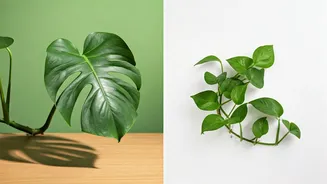
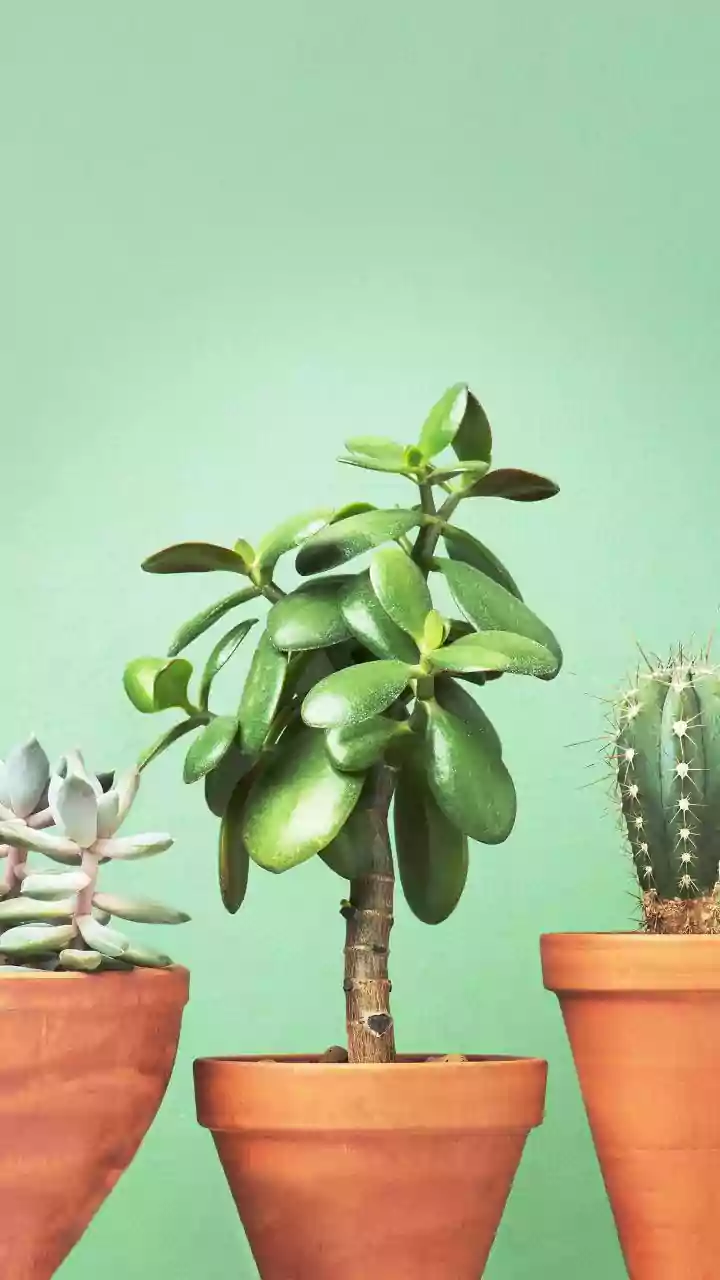
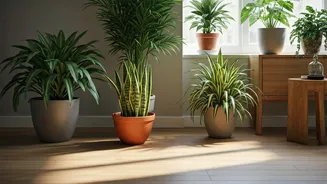
Awareness is a two-way street. Just as important as knowing what to buy is knowing what to avoid. Many of the most popular and Instagram-famous houseplants are unfortunately toxic to cats and dogs. Lilies (all members of the Lilium family) are extremely dangerous for cats, with even a small amount of pollen ingestion potentially causing fatal kidney failure. The Sago Palm, a trendy and sculptural plant, is highly toxic to all pets, causing liver failure if ingested. Even seemingly benign plants like the Snake Plant and ZZ Plant, while hardy and low-maintenance, can cause mouth irritation, vomiting, and distress if chewed on. This knowledge gap is what drives pet owners to seek out specialized advice, transforming nursery staff into crucial consultants for household safety.
Nurseries Are Adapting Fast
Smart retailers are leaning into this trend. Walk into a forward-thinking urban plant shop today, and you're likely to see more than just aisles of plants. You'll find sections clearly labeled “Pet Friendly.” You’ll see tags that feature a small paw-print icon. Staff are being trained not just on horticulture but on toxicology, ready to consult the ASPCA’s official plant list to answer customer questions. Some nurseries have even started curating “Pet-Safe Starter Kits” that bundle a few non-toxic plants, pet-friendly potting mix, and stylish, stable pots less likely to be knocked over. By embracing this need, these businesses aren't just making a sale; they are building trust and becoming an indispensable resource for their community.
Beyond the Pot: A Holistic Approach
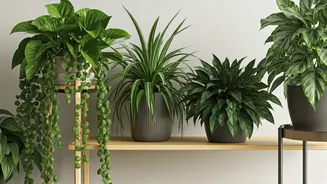
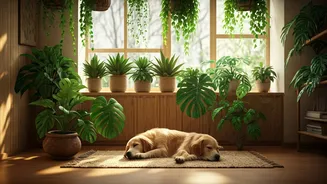
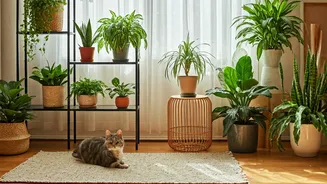
For true peace of mind, pet-savvy plant parents are thinking beyond just the plant itself. The strategy is now about landscape design on a micro-scale. This means using hanging planters to keep tempting leaves out of reach. It involves placing plants on high shelves or in rooms that are off-limits to pets. Some owners even use decorative stones or unattractive textures (like a sprinkle of cayenne pepper on the soil, which pets dislike) to deter digging. The goal isn't to create a sterile environment but a cleverly designed one, where the needs of both the foliage and the furry family members are met. It’s a testament to the dedication of modern pet owners who believe you don't have to choose between a green thumb and a happy pet.