

The Tea Capital of India
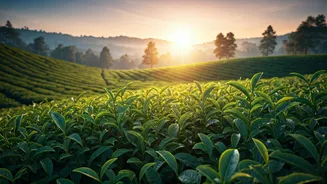
Jorhat isn't a city of grand monuments demanding your attention. It's a place of atmosphere. Located in the state of Assam, its identity is woven into the very fabric of the billion-dollar global tea industry. This is India's tea capital, and the experience
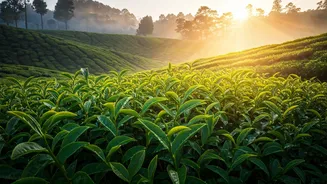
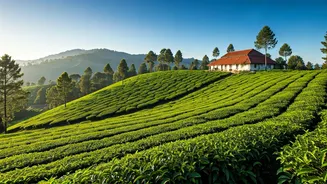
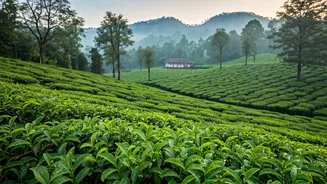
begins the moment you leave the city limits. Manicured, emerald-green tea bushes stretch to the horizon, dotted with the silhouettes of pluckers with baskets on their backs. This isn't a staged photo-op; it's the region's economic and cultural lifeblood. For the experience-focused traveler, this translates into an opportunity to go beyond simply sipping a cup of Assam black. You can stay in colonial-era managers' bungalows, converted into heritage hotels that offer a quiet, genteel retreat from the modern world. Imagine waking up to misty mornings over the gardens, learning the art of tea tasting from experts, and understanding the journey from leaf to your morning brew.
Gateway to Incredible Nature
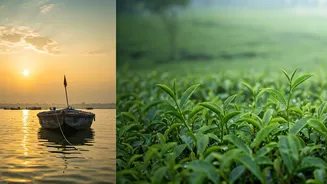
While tea is the main act in Jorhat, the city serves as a perfect base camp for exploring some of India's most stunning and accessible natural wonders. A couple of hours' drive away lies Kaziranga National Park, a UNESCO World Heritage site and the world's most important sanctuary for the greater one-horned rhinoceros. Seeing these prehistoric-looking creatures graze peacefully in the grasslands during an early-morning jeep or elephant-back safari is an unforgettable encounter. But the region’s ecological diversity doesn’t stop there. Jorhat is also the primary access point for Majuli, one of the world's largest river islands. Nestled in the mighty Brahmaputra River, Majuli is a world apart—a hub of neo-Vaishnavite culture where life moves at the pace of the river, and ancient monasteries (Sattras) preserve unique traditions of music, dance, and mask-making.
A Different Pace of India
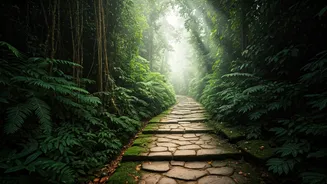
For many American travelers, the idea of India conjures images of dizzying crowds, persistent touts, and a full-sensory assault. While that can be part of the adventure, it's not the only story. Assam, and Jorhat by extension, offers a refreshingly different rhythm. The culture here is a unique blend of South and Southeast Asian influences, creating a distinct identity in its food, language, and customs. The pace is slower, the landscapes are lush and green, and the tourism, for now, is more intimate and less commercialized. It’s an ideal destination for the second-time visitor to India who wants to dig deeper, or a first-timer who prioritizes nature and authentic cultural immersion over ticking off a checklist of famous forts and palaces. It requires a bit more patience and a sense of adventure, but the rewards are connections and experiences that feel entirely your own.
The Practical Path to the Northeast
Getting to Jorhat is simpler than its remote location might suggest. The city has its own airport (Jorhat Airport, JRH) with direct flights from major hubs like Kolkata and Guwahati. From the U.S., this means a standard flight to a major Indian city followed by a short domestic hop. The best time to visit is from October to April, when the weather is dry and pleasant, avoiding the heavy monsoon rains that can disrupt travel. Accommodations range from the aforementioned luxury tea bungalows to comfortable city hotels and simpler guesthouses on Majuli island. This isn't a five-star-resort-everywhere destination. It’s for travelers who are comfortable with slightly imperfect infrastructure in exchange for genuinely authentic experiences. It's for those who understand that sometimes the best part of a journey is the story you get from a bumpy road.