

1. The 'Naanwich' and Its Cousins
Let’s start with the most logical leap: using Indian breads as a sandwich base. The 'naanwich' or 'roti wrap' has become a lunch-truck staple for a reason. Pillowy, slightly charred naan is a far more compelling vehicle for saucy fillings like chicken
tikka or chana masala than a slice of standard wheat bread that would disintegrate under the pressure. But the cleverness goes deeper. Think of the Bombay sandwich, a classic street food item traditionally made with white bread, now being reimagined on toasted pav. Or the vada pav, Mumbai’s iconic potato fritter bun, being treated like an American slider. These creations aren't just swaps; they’re upgrades, using breads that were designed to soak up flavor and hold together, creating a perfect, portable meal.
2. The Dosa-Taco Connection
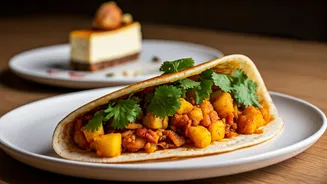
At first glance, the cuisines of India and Mexico might seem worlds apart. But look closer at their foundational elements, and you’ll see a brilliant overlap. Both cultures rely on a thin, round flatbread—the tortilla and the dosa or roti—as a vessel for spiced fillings. This realization has sparked a culinary explosion. Tandoori chicken tacos with a cooling raita crema, spicy paneer bhurji stuffed into a corn tortilla, or even mini-dosas folded taco-style have become hits at fusion restaurants and food festivals. The cleverness here is in recognizing a shared food language. The slightly sour, fermented tang of a dosa beautifully complements the smoky heat of chipotle-spiced fillings, while the familiar format of a taco makes complex Indian flavors feel instantly accessible.
3. Breakfast Gets a Savory Remix
American breakfast often leans sweet, but a Desi-inspired morning meal embraces savory complexity. The most viral example is the 'dosa waffle.' By pouring dosa batter into a waffle iron, you get a creation with all the crispy-edged, fluffy-centered glory of a Belgian waffle, but with the tangy flavor of fermented lentil and rice. Those nooks are perfect for holding not just maple syrup, but spicy podi (gunpowder spice mix) and coconut chutney. Other examples include masala omelets folded into a flaky paratha or akuri (spicy Parsi scrambled eggs) served on sourdough toast. It’s a clever way to front-load your day with bold, satisfying flavors that go far beyond bacon and eggs.
4. Chaat on Everything
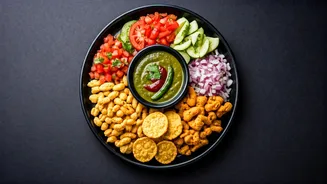
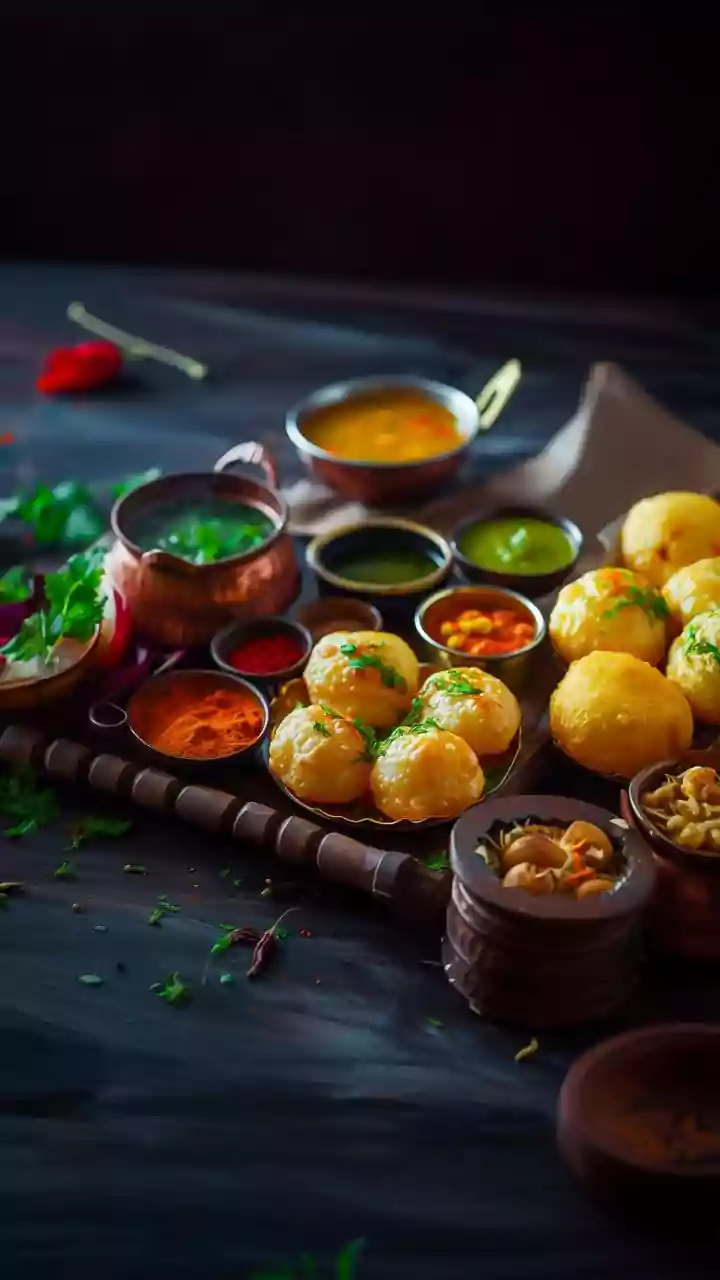
Chaat is less a specific dish and more of a formula: it needs to be a crunchy base topped with a combination of savory, sweet, tangy, and spicy elements. Traditionally, the base might be a samosa, fried dough (papdi), or potatoes. But the new rule is that anything crunchy is fair game. Enter 'chaat fries,' where crispy French fries are loaded with yogurt, tamarind and cilantro chutneys, onions, and crunchy sev (fried chickpea noodles). You'll also see 'nacho chaat' and even 'tater tot chaat.' The genius is in understanding that the soul of chaat isn't the specific ingredients but the symphony of textures and flavors. By applying that formula to globally beloved bases like fries and nachos, Desi cooks have created the ultimate shareable, crave-able snack.
5. Desserts That Bridge Two Worlds
Fusion desserts can be a minefield, but today’s cleverest creations feel like they were always meant to be. Instead of simply putting two things next to each other, bakers are infusing Western classics with the aromatic soul of Desi sweets. The undisputed star is the gulab jamun cheesecake. The dense, creamy cheesecake provides the perfect foil for the syrupy, rose-scented gulab jamun balls nestled within. We're also seeing chai-spiced tiramisu, brownies laced with cardamom and ginger, and cookies flavored with saffron and pistachio. These aren’t just novelties; they are thoughtful pairings that highlight the best of both traditions. The familiar format of a cheesecake or brownie becomes a gateway to the complex, fragrant world of Indian spices and sweets.