




First, What Are ‘Functional Foods’?
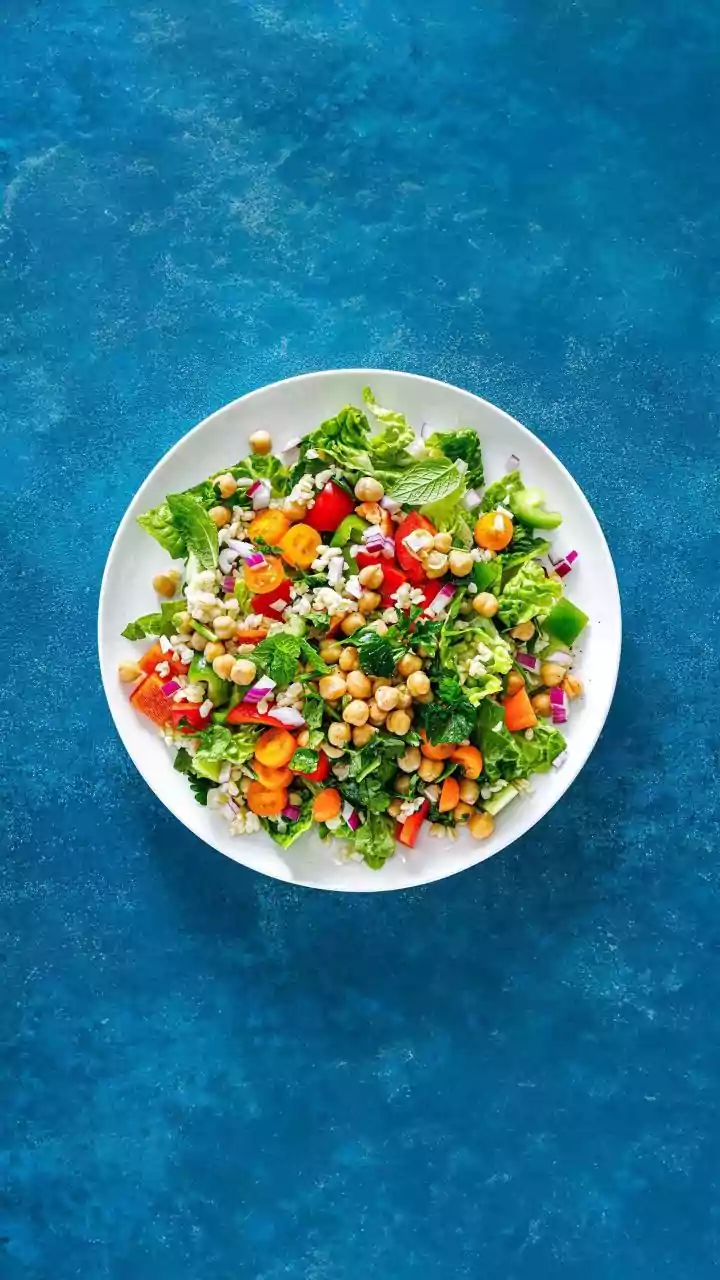
Before we dive into the spice, let's clear up the term. “Functional foods” aren't a new-age invention; they're simply foods that offer health benefits beyond basic nutrition. Think of orange juice fortified with Vitamin D, yogurt packed with probiotics,
or oatmeal that helps lower cholesterol. In the U.S., this trend often manifested as kale smoothies, bland protein bars, and fiber-rich cereals that promised wellness but often delivered a cardboard-like taste experience. For years, the underlying message was that for something to be good for you, it had to be a little bit of a chore to eat. But that trade-off is being decisively rejected by a new generation of consumers in one of the world's largest markets.
The Gen Z Flavor Mandate
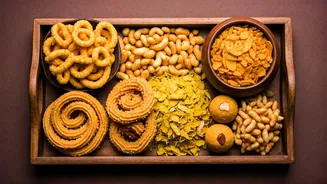
Indian Gen Z, born between the mid-1990s and early 2010s, represents a formidable consumer bloc—digitally native, globally aware, and increasingly health-conscious. But unlike previous generations who might have equated “healthy” with “bland,” this group grew up in a culinary landscape defined by complexity and spice. Their palates were shaped by family meals rich with turmeric, cumin, chili, coriander, and tamarind. The idea of choking down a flavorless health bar or a chalky protein shake is simply a non-starter. They expect—and demand—the same sensory excitement from their wellness products that they get from their favorite street food or home-cooked meal. This isn’t a preference; it’s a prerequisite. For brands to win their loyalty, the product must satisfy the taste buds first and the nutritional panel second.
From Turmeric Lattes to Chili Chocolate
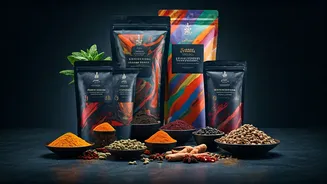
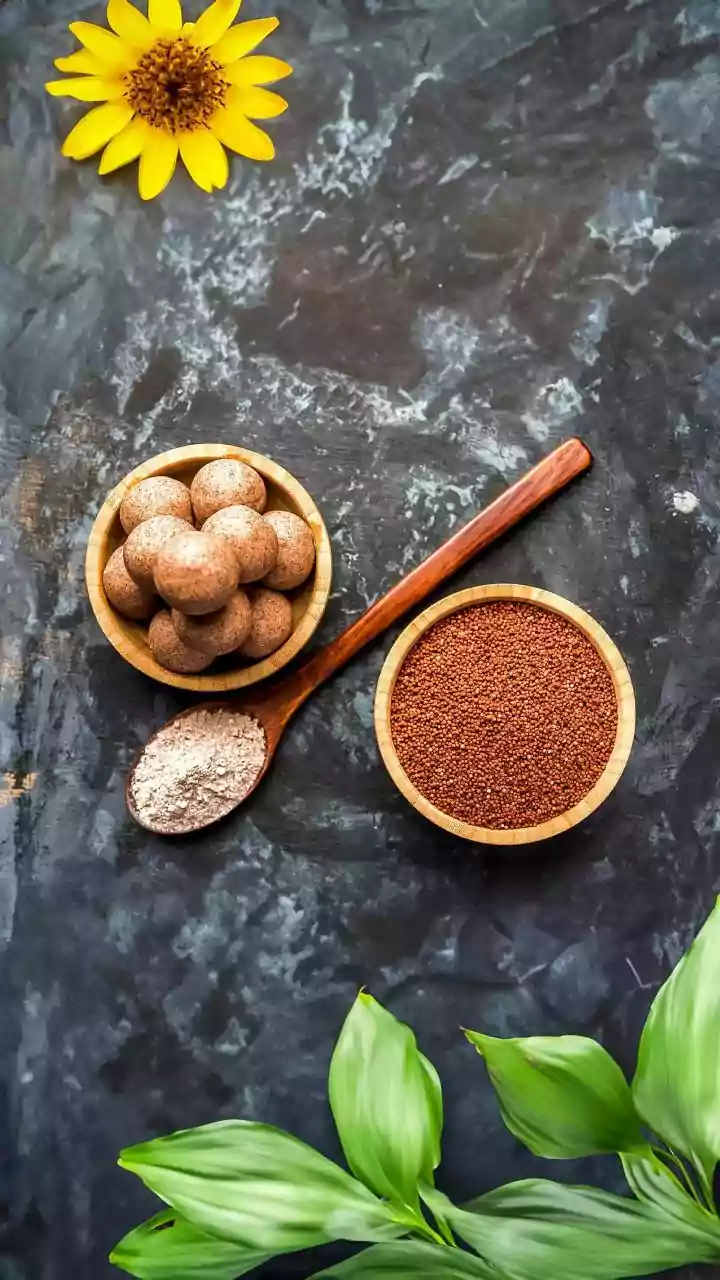
This demand has ignited a wave of product innovation across India. Start-ups and established brands are scrambling to infuse bold, traditional flavors into modern, convenient formats. Forget plain vanilla; think protein bars flavored with spicy mango or salted caramel infused with Himalayan pink salt. The new pantry includes everything from savory oatmeals spiced with masala to chocolate bars with a surprising chili kick. Ancient Ayurvedic ingredients, long trusted in Indian households, are also getting a modern makeover. Ashwagandha (an adaptogen for stress relief), amla (a berry rich in Vitamin C), and moringa (a nutrient-dense green) are no longer just powders or traditional remedies. They are now star ingredients in grab-and-go energy drinks, fortified juices, and even gummies, all carefully flavored to appeal to a younger, more discerning palate. The result is a product that feels both authentically Indian and globally modern.
Why This Trend Matters Globally
For American and international brands, this isn't just a fascinating overseas development; it's a memo from the future. India’s market offers a glimpse into how wellness and flavor will continue to merge globally. As consumers everywhere become more adventurous, the demand for functional products that deliver genuine culinary pleasure will only grow. The Indian Gen Z trend demonstrates a clear path forward: lean into local, authentic flavor profiles. It proves that the health benefits of an ingredient like turmeric don't have to be hidden; they can be celebrated as part of a delicious flavor experience. This movement is a powerful reminder that the most successful wellness products of the next decade won't just be functional; they'll be flavorful, exciting, and culturally relevant.