


The Rise of the “Snack Plate” Dinner
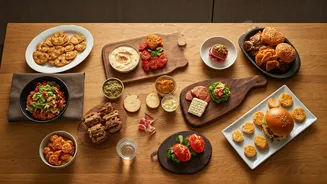
Scroll through TikTok or Instagram, and you’ll see the evidence. It’s often dubbed “girl dinner”—a term that went viral to describe a meal composed of disparate but satisfying elements. Think a little cheese, a handful of grapes, some crackers, a few
pickles, maybe a hard-boiled egg and a scoop of hummus. It’s less a single recipe and more a personal, curated collection. This isn't just random grazing; it's a deliberate assembly of favorite bites, a low-effort charcuterie board for one. This approach prioritizes variety and personal craving over the rigid architecture of a traditional meal. It rejects the pressure to cook a “proper” dinner, instead celebrating the simple joy of eating what you want, when you want it, without the fuss of pots, pans, and a hot stove.
An Answer to Economic and Time Pressures
This shift isn’t just about aesthetics or fleeting internet trends; it’s deeply rooted in modern economic and social realities. For a generation juggling side hustles, student debt, and soaring grocery costs, the prospect of buying a dozen ingredients for a single, elaborate recipe can feel impractical and wasteful. A multi-component “snack dinner” is often more economical. It allows for using up leftovers and small quantities of food—the last few olives in a jar, the end of a block of cheese, the remaining handful of almonds. Furthermore, after a long day of work or school, the mental and physical energy required to chop, sauté, and clean is a luxury many don't have. The snack plate dinner is an act of self-preservation, a low-spoon meal for a generation that openly discusses burnout and values conserving energy wherever possible.
Redefining What a “Meal” Means
At its core, this trend represents a fundamental redefinition of what constitutes a meal. The Boomer and Gen X ideal of a balanced, hot dinner served at a specific time is being replaced by a more fluid concept. For many in Gen Z, a meal is simply what satisfies hunger and provides comfort. It doesn't need to be cooked. It doesn’t need to follow a specific nutritional formula (though it often can be quite balanced). And it certainly doesn't require a formal dining table. This mindset embraces intuitive eating and personal autonomy. It decouples food from formality, transforming dinner from a structured event into a moment of personal, customizable satisfaction. It’s the ultimate form of culinary personalization, where the only rule is that there are no rules.
From Niche Trend to Mainstream Habit
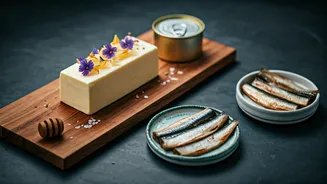
While “girl dinner” started as a somewhat gendered, playful meme, the underlying behavior is unisex and widespread. It reflects a broader “snackification” of eating habits that has been tracked by food industry analysts for years. What makes the Gen Z approach feel different is its unapologetic and public nature. Instead of hiding their unconventional meals, they celebrate them online, creating a shared identity around this pragmatic and pleasurable way of eating. Food brands are taking notice, marketing products that fit neatly into this modular-meal lifestyle—think high-quality tinned fish, single-serving dips, and artisanal crackers. This isn't a rejection of cooking entirely—many Gen Zers are avid and adventurous cooks—but an expansion of the definition of dinner to include something faster, simpler, and more attuned to the rhythms of contemporary life.