





The Science of the Slump
That post-lunch desire for a nap has a name: postprandial somnolence. When you eat a heavy meal, especially one rich in refined carbohydrates and fats, your body goes into overdrive. Blood rushes to your digestive system to process the food, leaving less
oxygen and energy for your brain. This effect is compounded by heat. Your body is already working hard to stay cool through processes like sweating, so diverting even more resources to digest a three-decker club sandwich with fries can feel like a knockout blow. Lighter meals require less digestive energy, which means more energy is left for you to actually think, work, and enjoy the day without feeling like you need to be airlifted to the nearest couch.
Redefining the 'Light' Lunch
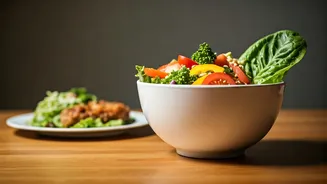
Let’s be clear: “light” does not mean “boring” or “insufficient.” This isn’t about subsisting on a few sad lettuce leaves. A smart summer lunch is nutrient-dense, satisfying, and packed with flavor—it just happens to be easier on your system. The goal is to maximize energy, not deprivation. It's about shifting your focus from heavy, starchy fillers to vibrant, hydrating, and protein-rich components. Think of it as an upgrade, not a sacrifice. You’re trading that sluggish, weighed-down feeling for clean energy, mental clarity, and food that actually makes you feel good in 90-degree weather.
The No-Cook Power Plate
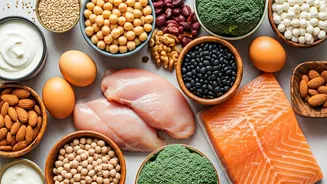
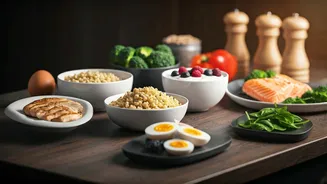
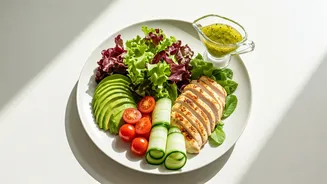
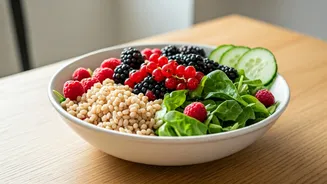
The ultimate summer flex is a lunch that requires zero cooking. It keeps your kitchen cool and comes together in minutes. This is your moment for a grown-up Lunchable. Start with a quality protein: a hard-boiled egg, a scoop of good canned tuna or salmon, a handful of chickpeas, or some sliced prosciutto or turkey. Add a creamy element like hummus, guacamole, or a chunk of feta. Then, load up on crunchy, hydrating vegetables and fruits: cucumber spears, cherry tomatoes, bell pepper strips, snap peas, and a handful of berries or some melon slices. A few whole-grain crackers or a small piece of good bread rounds it out. It’s a textural, flavorful, and incredibly satisfying mosaic of food.
The Upgraded Grain Bowl
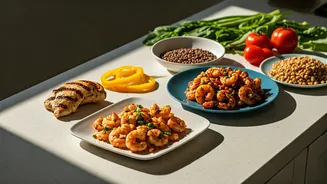
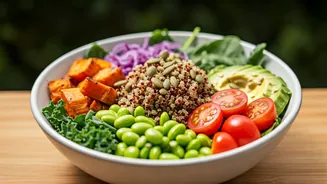
Grain bowls are a year-round staple, but the summer version is all about fresh, raw, and lightly cooked components. Start with a base of a lighter grain like quinoa or farro, which you can cook in a big batch at the beginning of the week. Then, pile on the good stuff. Instead of heavy roasted root vegetables, opt for shaved zucchini, grated carrots, corn cut straight from the cob, and plenty of fresh herbs like mint, basil, and cilantro. For protein, think grilled shrimp, shredded rotisserie chicken, or edamame. The secret weapon is the dressing: skip the creamy, heavy stuff and go for a zesty lemon-tahini drizzle or a simple red wine vinaigrette. It’s a full meal that feels refreshing, not heavy.
Next-Level Sandwiches and Wraps
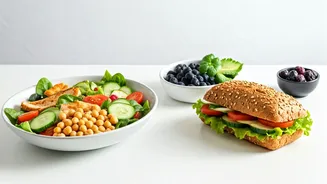
The classic deli sandwich can be a gut-bomb. The summer version is all about smarter construction. Ditch the thick, doughy bread for whole-grain wraps, crisp lettuce cups, or thinner slices of sourdough. Instead of mayonnaise, use mashed avocado, Greek yogurt with herbs, or a generous smear of hummus as your creamy binding agent. Then, pack it with flavor. A chicken salad made with yogurt and packed with celery and grapes, a wrap filled with chickpeas mashed with tahini and lemon, or thin slices of grilled steak with pickled red onions and arugula are all phenomenal options. The key is a high ratio of vibrant fillings to bread, ensuring every bite is fresh and crunchy.