
From a Nation of Chai to Coffee Curiosity
For generations, the sound and scent of India has been inextricably linked to chai. The ritual of brewing spiced milk tea is a daily constant in tens of millions of homes and on countless street corners. For decades, coffee was largely an afterthought—a
choice between generic instant powder brands, often served overly sweet and milky in the South Indian filter kaapi style, or as a luxury item at five-star hotels. The idea of obsessing over grind size, extraction time, and bean origin was, for most, a foreign concept. But beneath the surface of this tea-dominant culture, a new appetite was slowly growing, especially among a younger, urban, and globally-connected demographic.
The Pandemic-Fueled Pour-Over
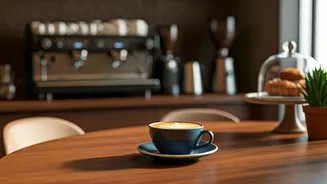
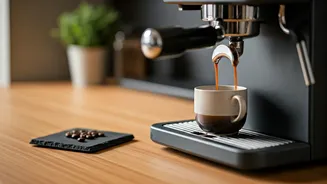
The major catalyst for the home barista boom was, ironically, being stuck at home. When the COVID-19 pandemic shuttered cafes and offices, India’s burgeoning coffee shop culture—which had been steadily growing in metros like Mumbai, Delhi, and Bengaluru—was abruptly cut off. Urban professionals, accustomed to their daily flat whites and cold brews from chains like Blue Tokai or Starbucks, were left to their own devices. This created a perfect storm. Suddenly, the desire wasn’t just for a caffeine fix, but to replicate the entire ritual and quality of the cafe experience. The hobbyist impulse took hold, turning a daily purchase into a new personal skill to master.
The Rise of Homegrown Coffee Brands
This newfound demand was met by a parallel explosion in local, direct-to-consumer (D2C) coffee brands. Companies like Blue Tokai Coffee Roasters, Sleepy Owl, and Subko Coffee Roasters were perfectly positioned to capitalize on the moment. They offered something new: freshly roasted, high-quality, single-origin beans sourced from Indian estates in regions like Chikmagalur and Araku Valley. By selling online, they made specialty coffee accessible to anyone with an internet connection, bypassing traditional retail. Their marketing was savvy, focusing on educating consumers about different brewing methods—from the French press and AeroPress to the more demanding pour-over. They weren't just selling coffee; they were selling the entire home barista lifestyle, complete with grinders, scales, and gooseneck kettles.
More Than a Drink, It's an Identity
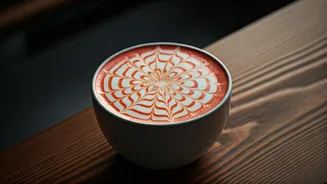
In modern India, this new coffee obsession is about more than just a beverage. It has become a form of cultural capital. Mastering a latte art heart or debating the merits of a washed versus a honey-processed bean is a marker of sophistication and global fluency. Social media feeds are filled with beautifully curated shots of Moka pots and morning pour-overs, turning a personal hobby into a public performance of taste. For many young Indians, becoming a home barista is an aspirational act. It’s a way to participate in a global cultural conversation while also supporting a new ecosystem of high-quality Indian agriculture and entrepreneurship. It signals a departure from older traditions and an embrace of a new, more individualized identity.