




The Deceptive Number on the Screen
Fitness trackers and cardio machines have trained us to fixate on one thing: calories burned. A 400-calorie workout feels like a victory, while a 200-calorie one feels like a failure. The problem? This number is often inaccurate and, more importantly,
it misses the bigger picture of what exercise actually does for your body. The calories you expend *during* a workout are just a tiny fraction of your total daily energy expenditure. A far more powerful approach is to think about how your workout affects your body for the other 23 hours of the day. The real magic isn't in the momentary burn, but in the lasting physiological changes that high-quality exercise stimulates.
Meet the 'Afterburn' Effect
Ever finish a tough workout and feel your body running hot for hours? That’s not your imagination. It's a phenomenon called Excess Post-exercise Oxygen Consumption, or EPOC. Think of it as your body’s metabolic furnace getting cranked up. While a steady-state jog might burn more calories minute-for-minute *during* the activity, high-intensity interval training (HIIT) or a heavy lifting session creates a much larger EPOC. Your body has to work hard to repair muscle fibers, replenish energy stores, and return to its resting state. This recovery process demands energy, meaning you continue to burn additional calories for hours—sometimes even up to a full day—after you’ve stopped sweating. So, a 20-minute HIIT session that registers as “only” 250 calories might actually result in a greater total calorie expenditure than a 45-minute jog that registers as 400.
Building a Better Metabolic Engine
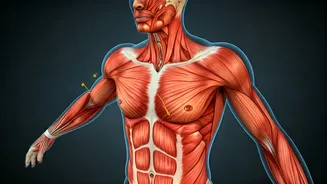
Focusing on calorie burn often prioritizes cardio over strength training, which is a massive strategic error for long-term health and body composition. Muscle is metabolically active tissue. The more muscle mass you have, the higher your basal metabolic rate (BMR)—the number of calories your body burns at rest just to keep the lights on. A pound of muscle burns more calories than a pound of fat, 24/7. When you lift weights, you’re not just having a good workout; you are investing in your body's infrastructure. You're building a more efficient metabolic engine that works for you even when you're sleeping or sitting at your desk. This is why two people with the same weight can have vastly different metabolisms. The one with more muscle mass will naturally burn more energy throughout the day, making weight management far easier over the long haul.
The Crucial Hormone Connection
Workouts are not just physical; they are hormonal events. Different types of exercise send different signals to your body. For example, excessive, long-duration cardio can elevate cortisol, the primary stress hormone. Chronically high cortisol can encourage your body to store fat, particularly around the abdomen, and can break down muscle tissue—the exact opposite of what most people want. In contrast, intense exercise like heavy lifting and sprinting can trigger a positive hormonal cascade, promoting the release of human growth hormone (HGH) and improving insulin sensitivity. Better insulin sensitivity means your body is more efficient at using carbohydrates for energy instead of storing them as fat. These hormonal shifts are arguably far more important for your health and appearance than the number of calories you burned in a single session.
Redefining a 'Good' Workout
A truly successful workout isn't one that leaves you wiped out with the highest possible calorie count. It's one that makes you stronger, improves your mood, helps you sleep better, and builds a more resilient body. The benefits that a calorie counter can't measure are often the most valuable: increased bone density from lifting weights, improved cardiovascular health, reduced anxiety, and the sheer confidence that comes from mastering a new movement or lifting heavier than you could before. When you shift your focus from burning to building, your entire relationship with exercise changes. It becomes a practice of self-improvement, not a punishment for what you ate.