



The New Math of Your Vacation
Let’s start with the most practical consideration: your wallet. For years, a trip to Europe meant diligent saving for expensive hotels, pricey museum entries, and that 15-euro cocktail with a view. While still a worthy goal, the economic landscape has
shifted dramatically in favor of the American traveler—if you know where to look. Right now, the U.S. dollar is enjoying historic strength against currencies like the Japanese Yen. This isn't just a minor discount; it fundamentally changes the category of trip you can afford. That exquisite tasting menu in Tokyo, the high-end hotel in Shinjuku, or the bullet train ticket to Kyoto suddenly become shockingly attainable. Similarly, Bangkok has long been the gold standard for value. In Thailand, you can experience true luxury—five-star hotels, world-class spas, elaborate meals—for a fraction of what a comparable experience would cost in Paris or London. Your travel fund doesn't just last longer in these cities; it buys you a higher quality of experience.
Trading Cobblestones for Megawatt Energy
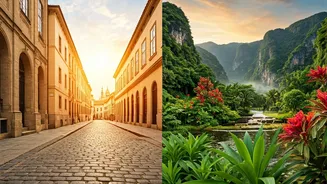
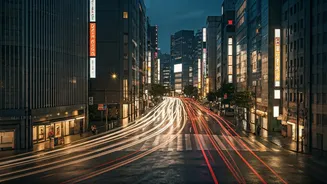
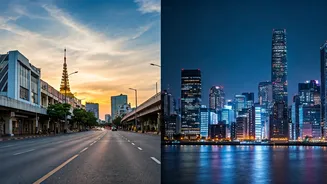
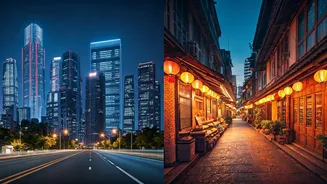
A walk through Rome is a walk through history. It’s beautiful, profound, and, for many Americans, culturally familiar. The art, architecture, and languages are foundational pillars of Western civilization. But a walk through Tokyo or Bangkok is a thrilling leap into a different dimension. Tokyo is a mesmerizing paradox, where serene, ancient temples are nestled beside districts that look like a sci-fi film set brought to life. It’s a city of immaculate service, bewilderingly efficient public transport, and a pop culture that feels both alien and exhilarating. Bangkok is a glorious assault on the senses. The air is thick with the scent of street-side woks and fragrant incense from golden-roofed temples. Tuk-tuks weave through chaotic traffic, long-tail boats cruise down the Chao Phraya River, and rooftop bars offer breathtaking views of a sprawling, electric metropolis. This isn’t just a change of scenery; it’s a full-body immersion into a culture that will challenge and expand your worldview.
A Revolution for Your Taste Buds
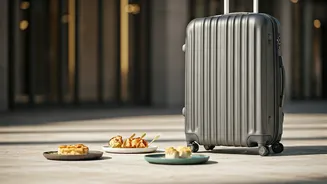
No one is denying the perfection of a fresh croissant or a bowl of handmade cacio e pepe. European cuisine is classic for a reason. But the culinary scenes in Tokyo and Bangkok operate on a different plane of existence, one defined by hyper-specialization, breathtaking variety, and an unparalleled street food culture. In Tokyo, you can have a life-changing meal for under $10 from a tiny ramen shop that has spent decades perfecting a single broth. It’s the city with the most Michelin stars in the world, yet its true culinary soul might be found in the bustling food halls of its department stores. In Bangkok, food is a constant, democratic celebration. For a few dollars, you can assemble a feast of grilled meats, spicy papaya salad, and mango sticky rice, all from different vendors who are masters of their craft. This isn't just about eating; it’s about participating in a vibrant, living food culture that happens on every street corner, 24 hours a day.
The Comfort Zone Is Overrated
There is a distinct comfort in traveling through Europe. The alphabet is familiar, the customs are relatively easy to navigate, and English is widely spoken in tourist hubs. It’s a fantastic way to travel. But true adventure often begins where comfort ends. Navigating Tokyo’s subway system with its labyrinthine maps, using a translation app to order from a menu with no pictures, or haggling for a souvenir in a Bangkok market—these are the moments that become the best stories. These small challenges build confidence and create a powerful sense of accomplishment. A trip to Europe feels like visiting a beautifully curated museum of the world you already know. A trip to Tokyo or Bangkok feels like stepping into a vibrant, complex, and endlessly fascinating new world. It’s a journey that doesn’t just show you new places; it shows you a new version of yourself.