








Meet the Power Duo: Almond and Ragi
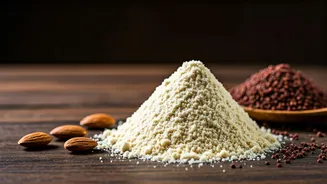
This game-changing blend combines two potent ingredients. The first is almond flour, a darling of the low-carb and gluten-free worlds, known for its high protein content, healthy fats, and delicate, buttery flavor. It provides structure and moisture to
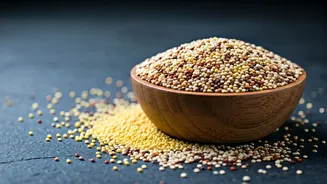
baked goods. The second, and perhaps less familiar, ingredient is ragi flour. Also known as finger millet, ragi is an ancient, nutrient-dense grain that has been a staple in parts of India and Africa for centuries. It has a mild, earthy, and slightly nutty taste. When ground into flour, it’s a nutritional powerhouse, packed with calcium, iron, and fiber. Together, almond and ragi flours create a blend that not only elevates the nutritional profile of your food but also adds a wonderful depth of flavor that plain white flour simply can't match.
Why Refined Flour Falls Short
Before embracing the new, it helps to understand what you’re leaving behind. Standard all-purpose white flour is a pantry staple for a reason: it’s predictable, versatile, and produces light, fluffy results. However, the refining process that gives it these qualities also strips it of its nutritional value. To make white flour, manufacturers remove the bran (the fiber-rich outer layer) and the germ (the nutrient-packed core) from the wheat kernel, leaving behind only the starchy endosperm. This process eliminates most of the fiber, protein, vitamins, and minerals. What you’re left with is a fast-digesting carbohydrate that can cause sharp spikes and subsequent crashes in blood sugar, leaving you feeling hungry again sooner. While often enriched with a few nutrients, it doesn't compare to the wholesome profile of whole grains.
A Clear Nutritional Upgrade
The difference between all-purpose flour and an almond-ragi blend is stark. Let’s talk protein. A cup of all-purpose flour contains around 13 grams of protein. A 50/50 blend of almond and ragi flour can easily double that, offering over 25 grams of protein per cup. This makes your morning pancakes or afternoon cookies far more satisfying and helps support muscle health and satiety. The fiber content is even more dramatic. With less than 4 grams of fiber per cup, white flour pales in comparison to the almond-ragi blend, which can deliver upwards of 15 grams. This high fiber content aids digestion, promotes gut health, and helps stabilize blood sugar levels. Furthermore, ragi is one of the best non-dairy sources of calcium, crucial for bone health, and provides a significant dose of iron. Almond flour contributes valuable Vitamin E and magnesium.
How to Use It in Your Kitchen
Ready to make the swap? The key is to start gradually. This blend has a different character than all-purpose flour—it’s denser and thirstier. For most recipes, you don’t need a 1:1 replacement right away. A great starting point is to substitute 25% to 30% of the all-purpose flour in your recipe with the almond-ragi blend. If you’re making pancakes, and the recipe calls for one cup of flour, use ¾ cup of all-purpose and ¼ cup of your new blend. Because this mix is high in fiber and protein, it absorbs more moisture. You may need to add a little extra liquid—a splash of milk, water, or an extra egg—to get the right consistency. This blend shines in recipes where a dense, moist crumb is desirable. Think brownies, banana bread, muffins, pancakes, and cookies. Its rich, nutty flavor beautifully complements chocolate, spices like cinnamon and cardamom, and fruits. It may not be ideal for creating light, airy angel food cakes, but for everyday treats, it’s an incredible and easy upgrade.