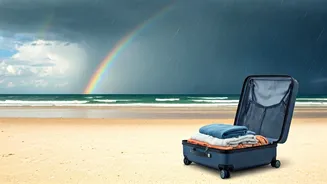







The Anatomy of Trip Panic
Trip panic isn’t really about the weather. It’s about the money. Specifically, it’s the nauseating feeling of watching hundreds or thousands of non-refundable dollars swirl down the drain because of something entirely out of your control. Whether it’s hurricane
season in the Caribbean, wildfire season out West, or a sudden personal emergency, the core anxiety comes from being locked in. When you pre-pay for flights and hotels with a strict no-cancellation policy, you’ve essentially made a bet that nothing will go wrong. The problem is, things often do. That’s when you find yourself frantically refreshing weather apps, scouring fine print, and spending hours on hold, hoping for a miracle waiver that may never come. The stress isn’t just about a ruined vacation; it’s about the financial loss, a self-inflicted wound born from chasing the cheapest possible price without considering the cost of inflexibility.
Decoding 'Refundable': What to Look For
The word “refundable” is your best friend in travel planning, but it’s not a one-size-fits-all term. You need to know what you’re getting. For hotels, the gold standard is “free cancellation until 24-48 hours before check-in.” This gives you maximum flexibility to watch a forecast develop or handle a last-minute conflict. Many major hotel chains offer this on their standard rates, which may be slightly higher than the non-refundable “prepay and save” option. For flights, true refundability is rarer and more expensive. More common and just as valuable for U.S. domestic travel is the absence of change fees. Since the pandemic, most major U.S. carriers have eliminated change fees for main cabin and higher fares. This means if you cancel, you won’t get cash back, but you’ll receive a travel credit for the full value, which is the next best thing. Always read the fine print: basic economy fares are almost always excluded from this perk and remain completely inflexible.
The Smart Traveler’s Pre-Booking Checklist
Building a panic-proof itinerary happens before you ever enter your credit card details. First, use booking filters. Nearly all hotel search engines (like Google Hotels, Expedia, or Booking.com) have a checkbox for “free cancellation.” Tick it. It will narrow your options but guarantee your peace of mind. Second, book directly whenever possible. When a storm hits, it’s far easier to deal with a hotel manager or an airline’s customer service than a third-party booking agent’s call center. Third, understand your fare class. For flights, that slightly more expensive main cabin ticket is often a far better value than basic economy once you factor in the flexibility of a travel credit. Think of the extra $30-$50 as a cheap insurance policy. Finally, put your dates in your calendar—not just the travel dates, but the cancellation deadlines. Set a reminder a day before your free cancellation window closes so you can make a final go/no-go decision without penalty.
Travel Insurance vs. Refundable Bookings
Many travelers believe travel insurance is the ultimate safety net, but it’s not a substitute for flexible bookings. A standard travel insurance policy only covers specific, named perils, like a doctor-certified illness or a narrowly defined weather event (e.g., a mandatory evacuation order). It generally will *not* cover you if you simply decide you don’t want to travel into a forecasted storm. That’s where a more expensive add-on, “Cancel For Any Reason” (CFAR) insurance, comes in. CFAR allows you to cancel for reasons not listed in the base policy, but it typically only reimburses about 50-75% of your non-refundable costs and must be purchased within a short window after your initial booking. The better strategy is a layered defense: prioritize refundable bookings first. This solves most of your potential problems for free. Then, consider a standard travel insurance policy to cover the remaining non-refundable costs and provide medical or evacuation coverage during your trip.