



1. Mint: The Indestructible Flavor Factory
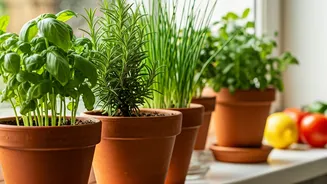
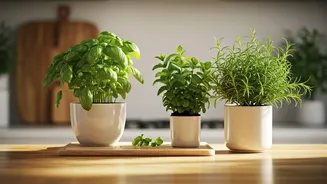
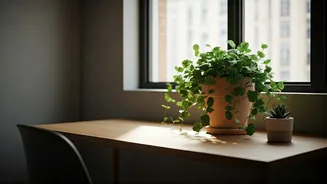
If you’ve ever tried to kill a mint plant, you know it’s nearly impossible. This resilience makes it the perfect gateway herb for the aspiring indoor gardener. Kept in a pot on a windowsill, mint thrives with moderate light and regular water, rewarding
you with a near-endless supply of fragrant leaves. Its aggressive growth, a problem in an outdoor garden, becomes a major advantage in a contained pot. A single plant can supply enough leaves for countless mojitos, iced teas, fruit salads, and lamb dishes. For the best flavor and growth, choose a specific variety like spearmint for sweetness or peppermint for that classic sharp kick. Just snip off the tops as you need them; this encourages the plant to become bushier and more productive.
2. Chives: The Subtle Onion You Can’t Overdo
Imagine never having to buy a bunch of scallions just to use two, leaving the rest to wilt in your fridge. That’s the promise of a pot of chives. These slender, graceful members of the onion family are incredibly low-maintenance and grow happily in a pot that gets a few hours of sun. They have a delicate, mild onion flavor that enhances rather than overpowers. Snip them with scissors to sprinkle over baked potatoes, scrambled eggs, soups, or salads for a fresh, savory finish. They grow back quickly after being cut, providing a constant harvest. Plus, if you let them, they’ll produce beautiful, edible purple pom-pom flowers that add a surprising pop of color to any dish.
3. Parsley: The Underrated Kitchen Workhorse
Often relegated to a forgotten garnish on a diner plate, fresh parsley is a culinary powerhouse. It brightens flavors, adds a clean, peppery taste, and is packed with nutrients. Both flat-leaf (Italian) and curly varieties grow well indoors, though many chefs prefer flat-leaf for its more robust flavor. Parsley enjoys bright, indirect light and consistently moist soil. Having a pot on hand transforms everyday cooking. You can chop it into sauces like chimichurri, toss it into pasta and grain salads for freshness, or simply use it to finish a roasted chicken. It’s far more versatile and flavorful than the dried flakes in your spice rack could ever be.
4. Microgreens: The Instant Gratification Crop
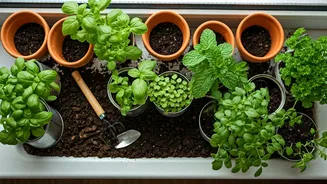
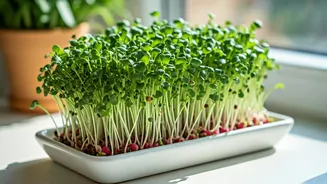
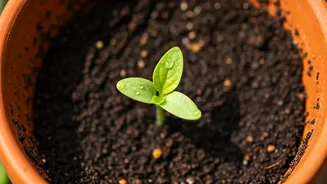
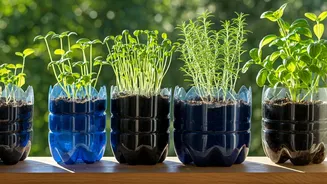
For those who lack patience, microgreens are the answer. These aren't a specific type of plant but rather the earliest stage of vegetable and herb greens, harvested just after the first true leaves have developed. You can grow them from seeds of radish, broccoli, kale, arugula, or cilantro in a shallow tray of soil right on your counter. They require minimal light and go from seed to harvest in as little as one to three weeks. Their flavor is a surprisingly intense, concentrated version of the mature plant—spicy for radish, nutty for broccoli. They are perfect for topping sandwiches, blending into smoothies, or adding a nutrient-dense, elegant flourish to almost any meal. It’s the fastest way to feel like a successful gardener.
5. Lemon Balm: The Scent of Summer, Year-Round
A cousin of mint, lemon balm shares its vigorous, easy-to-grow nature but offers a completely different sensory experience. Its crinkly green leaves release a bright, citrusy aroma when touched. The scent alone is a mood-lifter, bringing a touch of summer to a winter kitchen. Lemon balm isn't picky about light and is forgiving if you occasionally forget to water it. The leaves can be used to make a calming herbal tea, muddled into cocktails or lemonade for a zesty twist, or finely chopped and added to marinades for fish and chicken. It’s a plant that delights the nose as much as the palate, making your kitchen feel fresher just by being there.