


The Coastal Cool-Down
The Hamptons, Nantucket, Malibu—these names once represented the pinnacle of seasonal escape. They conjured images of clambakes, white linen, and exclusive parties. But for a growing contingent of the affluent, the coastal scene has become predictable,
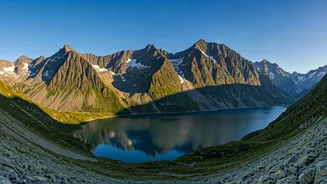
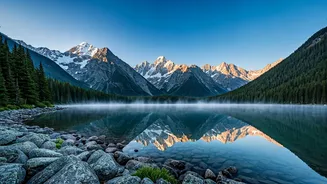
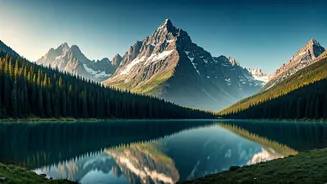
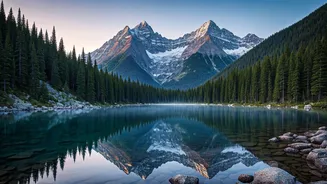
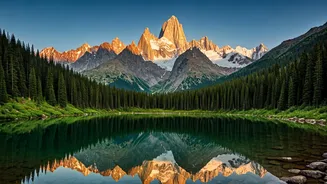
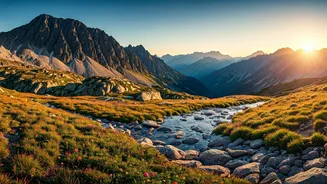
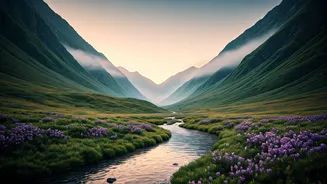
overcrowded, and perhaps a bit too… obvious. The endless traffic on Route 27, the fight for restaurant reservations, the performative social ladder—it's all starting to feel like work. In its place, a quieter, more rugged status symbol has emerged. The new power move is to trade the ocean for the alpine, swapping sea-level society for high-altitude solitude. This isn't about rejecting luxury; it's about rebranding it. The goal is no longer to be seen at the most popular beach, but to be tastefully absent from it, preferably posting a photo of a serene mountain lake.
The Curated 'Authenticity' of the Rockies
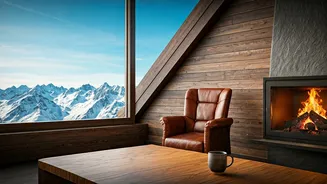
The mountain flex is an exercise in carefully curated authenticity. It’s less about overt displays of wealth and more about showcasing a commitment to wellness, nature, and a kind of frontier-chic lifestyle. The uniform isn't a designer polo; it’s a $700 Arc'teryx jacket and hiking boots that look perfectly broken-in. The activity isn't yachting; it's a pre-dawn hike, a fly-fishing excursion on a private stretch of river, or a post-hike soak in a cedar hot tub with views of a dramatic peak. The home isn't a sprawling beachfront mansion but a 'rustic' cabin made of reclaimed wood, glass, and steel that just happens to be 10,000 square feet and designed by a Pritzker-winning architect. It’s a performance of rugged individualism, underwritten by significant capital. The message is clear: 'I am not just rich; I am grounded, healthy, and connected to the earth.'
From Ski Bums to 'Zoom Town' Barons
This shift has transformed once-sleepy mountain towns. Places like Aspen, Jackson Hole, Telluride, and Park City have always been playgrounds for the rich, but they were primarily seasonal ski destinations. Now, they are year-round hubs for a new class of tech and finance elites. The pandemic-fueled rise of remote work supercharged this trend, turning 'Zoom Towns' into permanent bases for those who could log into a Wall Street server from a chalet in Bozeman, Montana. This influx has reshaped these communities, driving up real estate prices and creating a new social ecosystem. The old-guard ranchers and ski bums now coexist with venture capitalists and crypto founders, all drawn by the same promise of a better, purer, more impressive lifestyle. The local coffee shop is as likely to host a conversation about a seed round as it is about the morning's powder conditions.
Why Mountains Feel 'Real' Right Now
At its core, the appeal of the mountain flex lies in its perceived contrast to the artifice of modern urban and coastal life. In a world of digital noise and social chaos, a mountain signifies something solid, timeless, and real. It offers a backdrop of sublime, unassailable grandeur—a perfect canvas for the personal brand of someone who wants to project strength, resilience, and a touch of wilderness spirit. While a beach vacation feels like an indulgence, a mountain escape can be framed as a personal investment—in health, in family, in mindfulness. It's an active, aspirational pursuit, not a passive one. This allows the mountain-goer to feel both virtuous and superior, having chosen the path of self-improvement and fresh air over the hedonistic beach party. It’s the ultimate humblebrag, delivered via a perfectly filtered sunset over the Tetons.