

What is 'Coastal Cooking' Anyway?
Think less about a specific regional cuisine and more about an ethos. Coastal cooking is the embodiment of a vacation on a plate. It’s inspired by the seaside cafes of the Mediterranean, the breezy oyster bars of the Pacific Northwest, and the vibrant
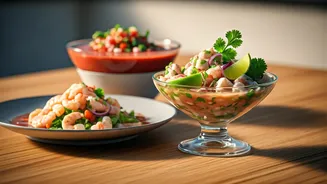
ceviche carts of Latin America. The philosophy is simple: find the best possible ingredients—especially seafood—and do as little to them as possible. It’s a return to bright, clean flavors and textures that are refreshing rather than overwhelming. At its heart, this trend is a quiet rebellion against overly fussy, heavy food. It champions the zesty kick of lemon, the brine of an oyster, the clean finish of good olive oil, and the crispness of fresh herbs. It’s food that feels both luxurious and elemental, sophisticated and utterly unfussy.
The Allure of the Uncooked
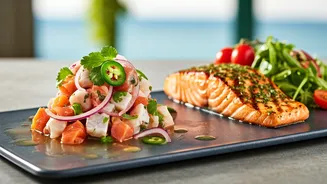
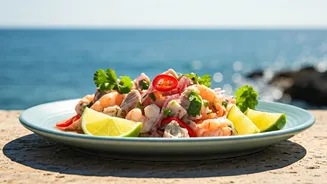
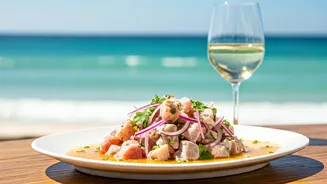
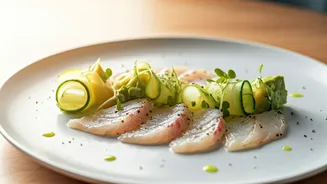
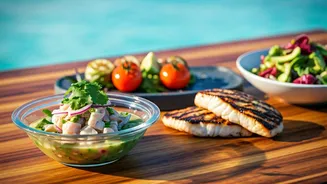
The cornerstone of the coastal trend is the celebration of raw and barely-cooked seafood. This is where the quality of your ingredients really shines. We’re talking about crudos, where paper-thin slices of sushi-grade fish like tuna, fluke, or scallops are anointed with little more than exceptional olive oil, a sprinkle of flaky salt, and perhaps a few capers or a sliver of chili. Then there’s ceviche, the Latin American marvel where fish is 'cooked' not by heat, but by the acid in citrus juice, then tossed with onion, cilantro, and tomato. And of course, there are oysters on the half-shell, the ultimate expression of coastal simplicity. Serving them on a bed of crushed ice with a simple mignonette sauce isn't just a meal; it's an event. These dishes require no stove, keep the kitchen cool, and deliver a clean, oceanic flavor that is the pure essence of summer.
Beyond the Raw Bar
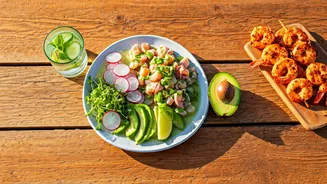
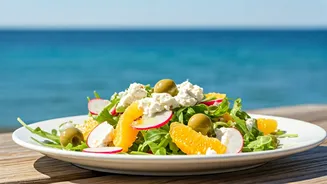
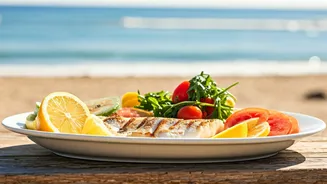
While raw preparations are central, the coastal aesthetic isn’t limited to them. The key is minimal intervention. Think simple, quickly grilled whole fish, like branzino or snapper, seasoned with salt and herbs and drizzled with lemon juice. Consider shrimp, grilled on skewers and served with a garlic-and-parsley aioli. Mussels and clams, steamed open in a broth of white wine, shallots, and garlic, served with crusty bread for dipping, also fit the bill perfectly. Even salads get a coastal makeover, featuring ingredients like shaved fennel, citrus segments, and briny olives. It’s about dishes that come together quickly, highlighting the natural goodness of their components without masking them in heavy sauces or complex techniques.
Stocking Your Coastal Pantry
Embracing this style of cooking at home is surprisingly easy because it relies on a handful of high-impact pantry staples. The first rule is to buy the best fish you can find and afford; a good fishmonger is your new best friend. Beyond that, a well-stocked coastal pantry includes: a bottle of fantastic, fruity extra-virgin olive oil; flaky sea salt (like Maldon) for finishing; a big bag of lemons for squeezing over everything; fresh, tender herbs like parsley, dill, and cilantro; and high-quality tinned fish, like Spanish tuna or sardines, which can be turned into an elegant appetizer in seconds. A jar of capers, some good vinegar, and a fresh baguette are the finishing touches. With these basics on hand, a chic, coastal-inspired meal is never more than a few minutes away.
It's a Vibe, Not Just a Recipe
Finally, the coastal trend is as much about atmosphere as it is about food. It’s about creating a feeling of relaxed, shoreside elegance. Serve your crudo on chilled plates to keep it perfectly cool. Use linen napkins to add a touch of rustic sophistication. Pour a crisp, cold white wine like a Sauvignon Blanc, Pinot Grigio, or a dry rosé. The beauty of these meals is that they encourage slow, communal eating. A platter of oysters or a bowl of ceviche invites guests to gather, share, and linger. It’s the antithesis of a formal, plated dinner, offering a breezy, informal style of hosting that feels perfectly suited to the long, warm evenings of summer.