




The Old Itinerary Gets an Update
For decades, the pinnacle of Indian international travel was a marathon trip to the West. It was a status symbol, a rite of passage for the upwardly mobile, often involving meticulously planned package tours that crammed Paris, Rome, and the Swiss Alps
into ten days. The goal was to see the iconic sights, snap photos in front of the Eiffel Tower and the Colosseum, and return with stories of a different world. It was about breadth, not depth; a checklist of global landmarks. But that model is starting to feel dated. As India’s middle and upper-middle classes expand, so does their travel experience. Many have already “done” Europe or the States. Now, they’re looking for something different. The new travel currency isn’t about how far you went, but how deeply you connected. They're swapping the single, epic, once-in-a-decade trip for multiple, shorter, more meaningful getaways each year.
It’s All About the Vibe (and the Food)
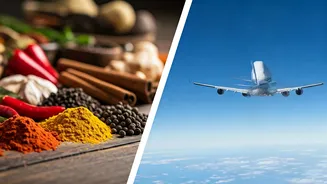
The single biggest driver of this change is a craving for authenticity—and it often starts with the stomach. The modern Indian traveler is a discerning foodie, and their quest for “flavour” goes far beyond finding a good curry abroad. They are leading a global charge in culinary tourism, planning entire trips around street food tours in Bangkok, cooking classes in Vietnam, or exploring the spice bazaars of Istanbul. They want to taste the local culture, not an internationalized, tourist-friendly version of it. This desire extends beyond the plate. The search is on for a destination's unique “vibe.” Instead of just visiting a museum, they want to wander through a neighborhood known for its art scene, take a motorbike tour through the countryside, or learn a local craft. This experiential focus is a direct rejection of the passive, sight-seeing model. It's an active, participatory approach to travel, fueled by Instagram feeds that showcase not just places, but feelings and experiences.
The Six-Hour Flight Rule
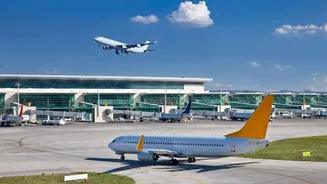
If the goal is more frequent and immersive trips, a 15-hour flight to New York becomes a logistical and financial hurdle. This practical reality has given rise to an unofficial “six-hour rule.” Destinations in Southeast Asia and the Middle East are booming as a result. Countries like Thailand, Vietnam, Malaysia, Singapore, and Indonesia are all within a four-to-six-hour flight from major Indian cities. The same goes for Middle Eastern hubs like Dubai, Abu Dhabi, Oman, and Qatar. Governments in these regions have been quick to capitalize on this trend. Many have simplified their visa processes or offered visa-free entry for Indian passport holders, removing a significant barrier to spontaneous travel. A long weekend in Phuket or a quick shopping trip to Dubai is now as feasible as a domestic trip for a growing number of people. The combination of short travel times, affordable flights, and hassle-free entry creates an irresistible trifecta.
Why This Shift Is Happening Now
This isn't just a fleeting trend; it’s the result of powerful economic and cultural forces. Firstly, there’s the sheer scale of India’s demographic dividend. A huge population of young, digitally-native professionals has more disposable income and a globalized worldview. They value experiences over possessions and are influenced more by travel bloggers than by traditional family expectations. Secondly, the post-pandemic world has accelerated a desire for more meaningful travel. After years of restrictions, the idea of a rushed, superficial tour holds less appeal. People want to savor their freedom and connect with the world in a more genuine way. Finally, the rise of budget airlines and online travel agencies has put these short-haul destinations within easy reach, empowering travelers to design their own itineraries instead of relying on pre-packaged tours.