






The Rise of the Terminal Stage
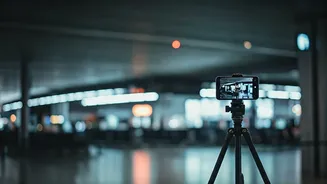
For years, the airport has been more than just a place of transit; it's been a content studio. For influencers, the appeal is obvious. Airports offer a unique backdrop that signals travel, adventure, and a jet-setting lifestyle. The wide-open concourses,
dramatic lighting, and moving walkways are ready-made film sets. A choreographed dance routine next to a departures board became a visual shorthand for, “I’m living a life more exciting than yours.” It was a way to create engaging content during the otherwise dead time of a layover, transforming a mundane wait into a performative moment. This trend piggybacked on the explosive growth of short-form video platforms like TikTok and Instagram Reels, where quick, eye-catching dances can easily go viral. The goal? To be seen, to entertain, and, ultimately, to monetize a lifestyle that appears effortlessly glamorous.
Turbulence in the Comments Section
Lately, however, the digital applause has been joined by a growing chorus of eye-rolls. The public’s patience, it seems, is wearing thin. What once might have been seen as quirky and fun is now frequently labeled as cringey, disruptive, and inconsiderate. Scroll through the comments on any given airport dance video, and you’ll find a litany of complaints. Fellow travelers don’t want to be the unwilling, blurred-out background extras in a stranger’s bid for clout. They’re trying to navigate screaming children, track down lost luggage, or simply find a quiet moment before being crammed into a metal tube for six hours. The last thing they need is to dodge a high-kick or be blinded by a ring light while searching for Gate B42. The backlash isn’t about hating fun; it’s about the context. The airport is a shared, often stressful, public utility, not a private soundstage.
Diagnosing 'Main Character Syndrome'
This phenomenon has become the textbook example of what critics call “main character syndrome”—the tendency for individuals to behave as if they are the protagonist of a movie and the world around them is merely a supporting cast. In the influencer economy, this isn't just a personality quirk; it's a business model. To stand out online, you must project a reality where you are the center of attention. The airport dance reel is the perfect storm of this mindset. It presumes that the creator’s need for content supersedes the collective experience of everyone else in the space. It flattens a complex environment full of individual people with their own urgent stories into a simple, aesthetic background. This perceived self-absorption is at the heart of the pushback. It represents a fundamental clash between the digital world’s demand for constant performance and the physical world’s unwritten rules of social etiquette and shared space.
The Unwritten Rules of Public Content
No one is suggesting a ban on taking photos or videos in public. But the airport dance reel has become a flashpoint in a larger conversation about digital etiquette. Where is the line between capturing a moment and disrupting the peace? The consensus seems to be forming around a few key ideas. Is your content creation blocking pathways, creating a safety hazard, or forcing non-consenting people into your frame? Are you using bright lights or loud audio in a space where others are trying to rest or work? If the answer is yes, you've likely crossed the line from harmless fun into public nuisance. Some airports and even airlines have begun subtly pushing back with guidelines on commercial filming, and social pressure is proving to be an even more powerful regulator. The savviest creators are already adapting, understanding that respecting their surroundings is crucial for maintaining goodwill with their audience.