






Understanding the 'Why' Behind the Prune
Pruning before the monsoon isn't about aesthetics; it's about strategy and survival. In regions like Arizona, New Mexico, and parts of Texas, the summer monsoon brings not just life-giving rain but also powerful winds and downpours. A dense, overgrown
tree acts like a sail in a windstorm, making it vulnerable to broken limbs or even uprooting. The goal of pre-monsoon pruning is to thin the canopy, allowing wind to pass through the branches rather than push against them. This dramatically reduces the risk of storm damage, protecting both your plants and your property. Furthermore, strategic trimming helps the plant direct its energy toward new growth that can take full advantage of the coming moisture, and it allows rainwater to penetrate the canopy and reach the soil below where it's needed most.
The June Sweet Spot
Timing is everything. Pruning is a form of stress for any plant, and doing it at the wrong time can do more harm than good. June is the ideal window for this specific task. If you prune too early in the spring, the plant puts its energy into healing the cuts just as the brutal summer heat sets in, leaving it stressed and vulnerable. If you wait until July when the storms are already starting, you’ve missed your chance to prepare the plant for the initial impact. Late May and June give the plant just enough time to recover from the pruning before the first rains typically arrive. This allows it to enter the monsoon season strong, healthy, and ready to absorb the deluge.
Your Pruning Hit List: What to Target
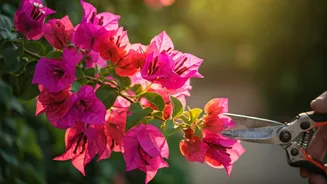
Not every plant needs a pre-monsoon trim. Focus your efforts on the largest and most vulnerable elements of your landscape. The primary targets are native and desert-adapted trees like mesquites, palo verdes, and desert willows. These fast-growing species can develop dense, heavy canopies that are particularly susceptible to wind damage. Look for any dead, damaged, or broken branches first—these should always be removed. Next, identify branches that are crossing or rubbing against each other, as these create weak points. Finally, examine the overall structure. The idea is to create space within the canopy, not to reduce its overall size. Large, fast-growing shrubs that could be damaged by heavy rain or topple in high winds are also good candidates for a light thinning.
The Right Technique: Thin, Don't Top
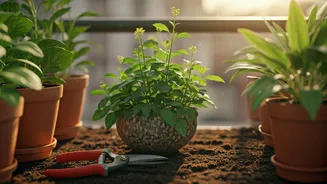
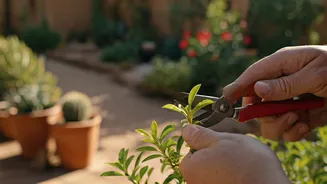
The most common and destructive mistake homeowners make is “topping” a tree—chopping off the main vertical stems or large branches to reduce its height. This practice is incredibly damaging. It creates large wounds that are slow to heal and encourages a flush of weak, poorly attached new shoots that are even more prone to breaking in future storms. Instead, the proper technique is thinning. This involves selectively removing entire branches back to their point of origin on a larger limb or the trunk. Use clean, sharp tools to make precise cuts just outside the “branch collar” (the slightly swollen area where the branch meets the trunk). This allows the tree to heal quickly and properly. A good rule of thumb is to never remove more than 25% of a tree's canopy in a single year. If you’re unsure, especially with large, mature trees near your home, hiring a certified arborist is always a wise investment.
Final Touches for a Storm-Ready Garden
While pruning is the main event, a few other June chores can set your monsoon garden up for success. Take the time to inspect your irrigation system for leaks or clogs, ensuring it’s ready to supplement the rain if needed. Most importantly, focus on your soil. Rake away excess gravel or debris from the base of your plants to create shallow, basin-like depressions. This practice of water harvesting ensures that when the rain does fall, it pools around the root zone and soaks deep into the ground rather than running off into the street. A well-pruned tree combined with prepared soil creates a landscape that works with the monsoon, not against it.