

1. Embrace the Main-Course Salad
We’re not talking about a sad pile of iceberg lettuce. A substantial summer salad can be one of the most satisfying and complex meals you eat all week, and it requires zero oven time. The key is building layers of flavor and texture. Start with a bed
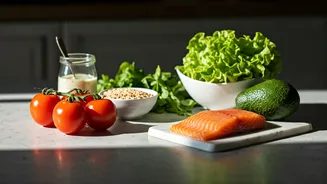
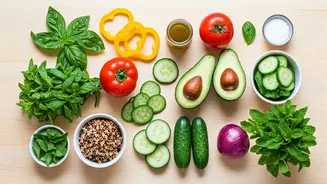
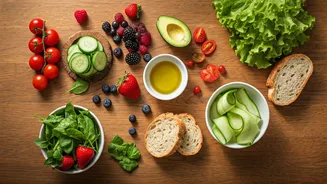
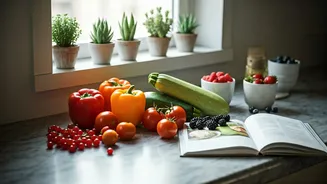
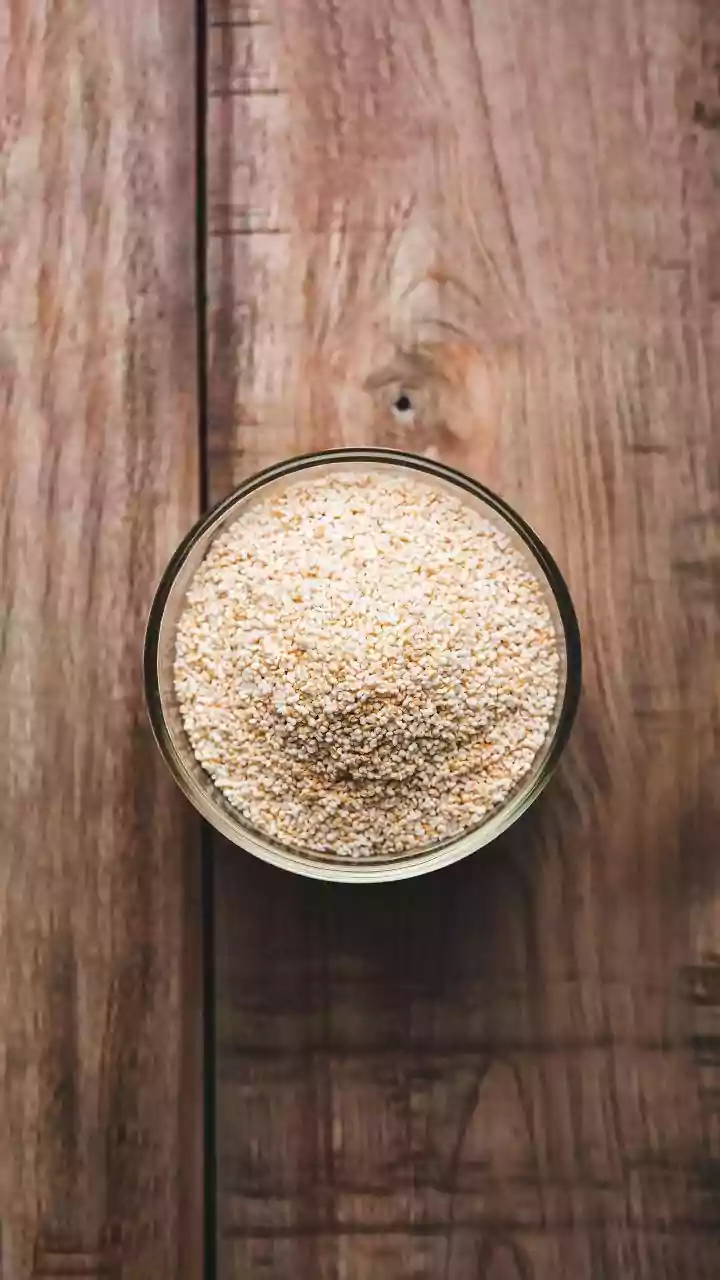
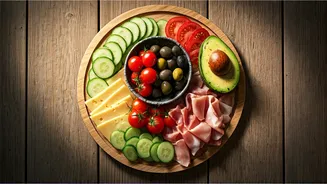
of robust greens like romaine or kale, then add a grain like quinoa or farro (which you can cook in batches on a cooler morning). Incorporate a protein: canned tuna, rotisserie chicken from the store, chickpeas, or hard-boiled eggs are all excellent no-cook options. Finally, load it up with summer’s bounty—juicy tomatoes, crisp cucumbers, sweet bell peppers, and creamy avocado. A vibrant, herb-packed vinaigrette ties it all together into a meal that feels anything but sparse.
2. Take the Heat Outside
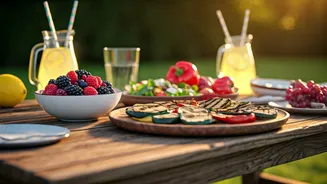
This might seem obvious, but it’s the most effective strategy for a reason. Moving your cooking operations to the grill keeps all the intense heat out of your house. But think beyond the classic burgers and hot dogs. The grill is a versatile tool for cooking almost anything. Grill-baskets are perfect for containing chopped vegetables like zucchini, onions, and asparagus tossed in a little olive oil. You can grill entire heads of romaine for a smoky Caesar salad, or place fish fillets on planks of cedar for a delicate, steamed effect. Even dessert can be grilled—halved peaches or pineapple slices develop a gorgeous caramelization over the flames and are fantastic served with a scoop of vanilla ice cream.
3. Let Small Appliances Do the Work
Your oven and stovetop are the biggest culprits when it comes to raising your kitchen’s ambient temperature. Your countertop appliances, however, are far more efficient and contained. The microwave is a champion for steaming vegetables or reheating leftovers. An electric pressure cooker, like an Instant Pot, can cook rice, beans, or even a whole chicken without radiating significant heat. A slow cooker, set up in the morning, can have a tender pulled pork or chicken ready for sandwiches by dinnertime with minimal fuss and heat. Even the trendy air fryer offers a way to get crispy results on things like chicken wings or potatoes without preheating a massive oven.
4. Master No-Cook Sauces and Finishes
A great sauce can elevate simple, no-cook ingredients into a truly memorable dish. Instead of simmering a tomato sauce on the stove for an hour, blitz fresh tomatoes, garlic, basil, and olive oil in a blender for a raw pasta sauce that tastes like pure summer. A classic pesto comes together in minutes with a food processor and is perfect tossed with pasta, spread on sandwiches, or dolloped over grilled chicken. Other brilliant no-cook options include chimichurri, a zesty Argentine sauce of parsley, garlic, and vinegar that’s incredible on steak, or a simple yogurt sauce with dill and lemon to accompany fish or vegetables.
5. Think Beyond the Salad Bowl
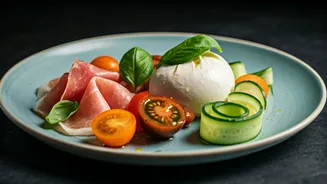
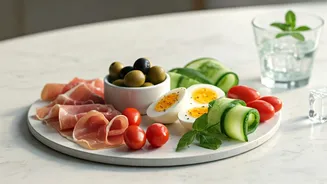
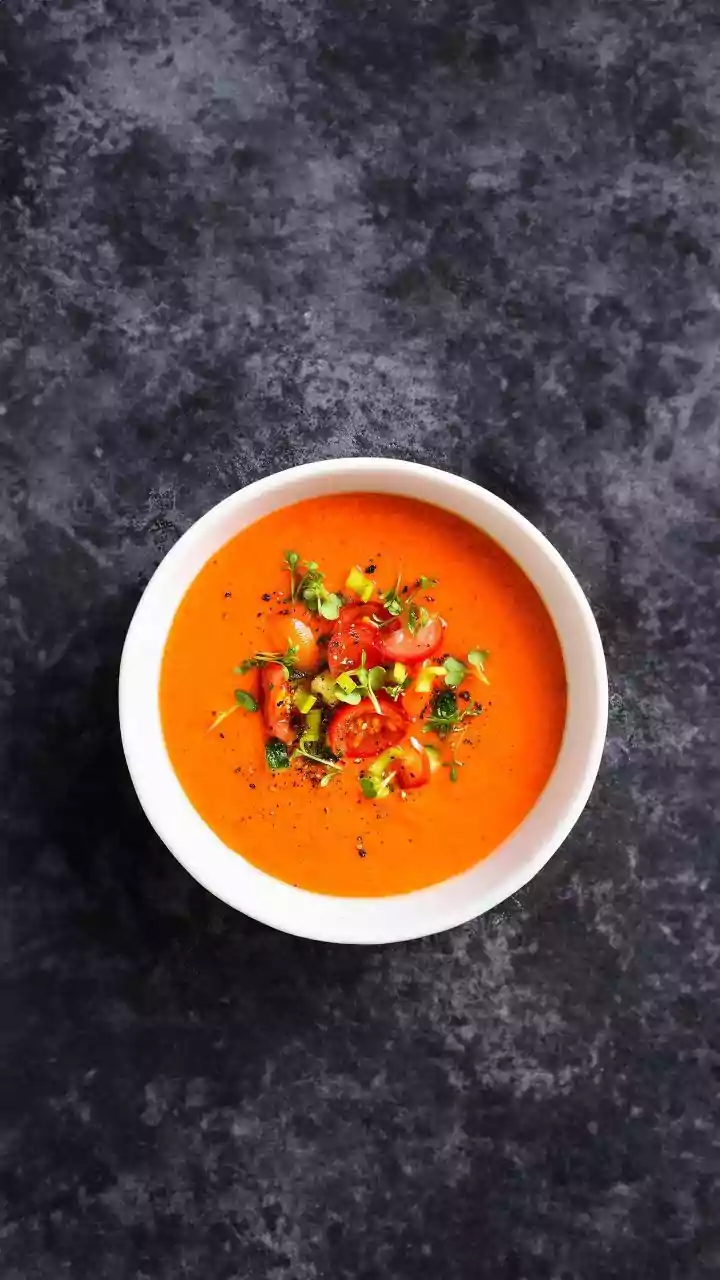
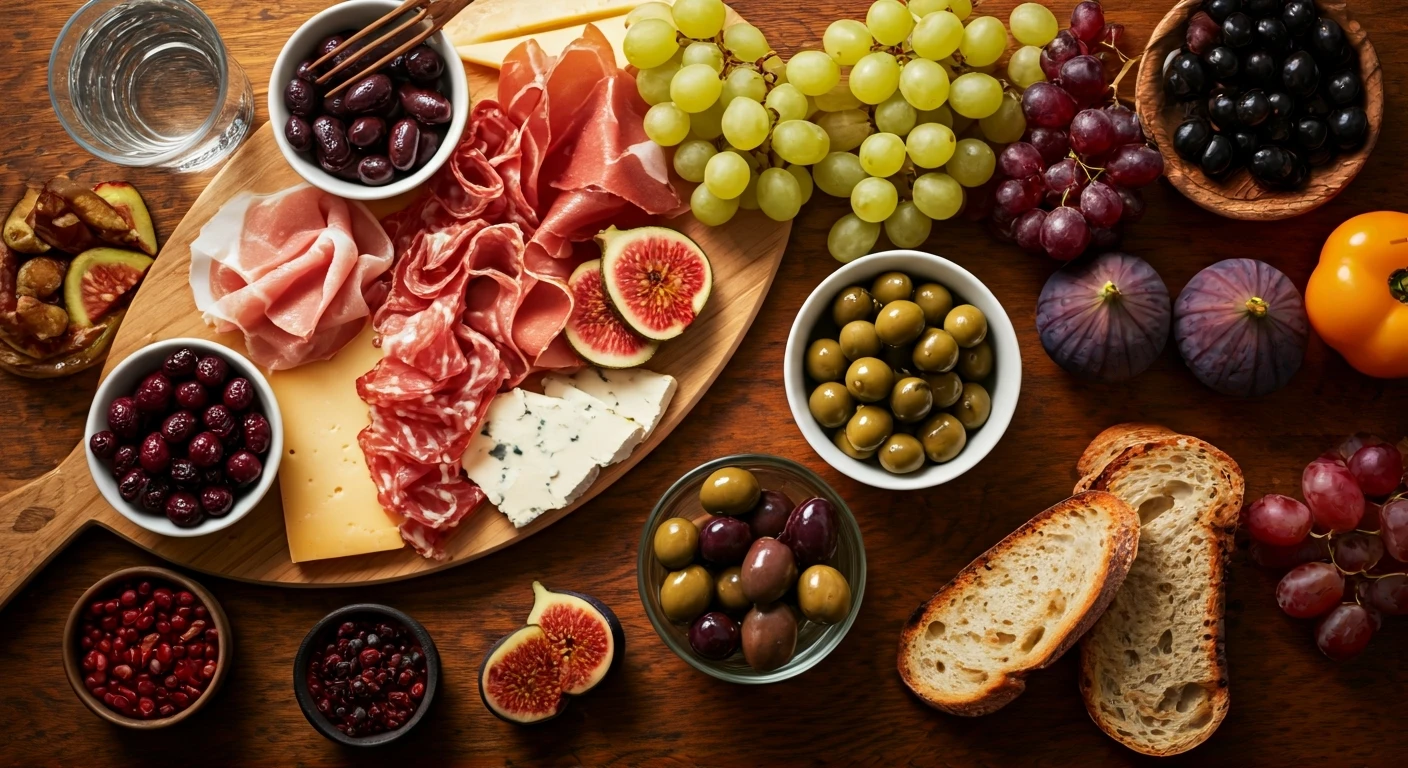
Minimal-heat cooking is a broad church that includes more than just salads and sandwiches. Gazpacho, the classic chilled Spanish soup, is a perfect example—it’s refreshing, nutritious, and requires nothing more than a blender. Summer rolls are another fantastic option. Simply soften rice paper wrappers in water and fill them with fresh herbs, vermicelli noodles, shrimp, and vegetables for a light and stunning meal. And don't forget the power of a well-curated cheese and charcuterie board. Arranged with quality cheeses, cured meats, olives, nuts, fruit, and good bread, it becomes a sophisticated, satisfying dinner that requires no cooking at all.